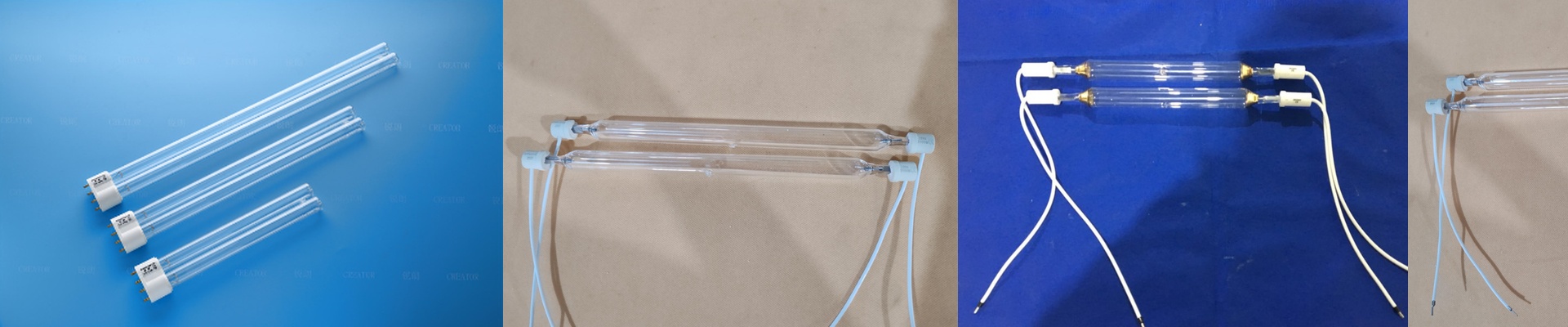
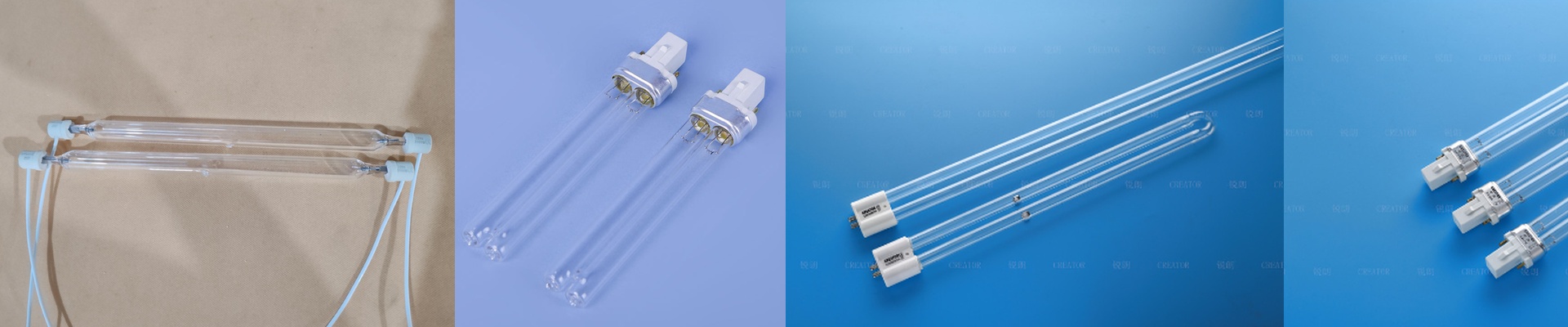
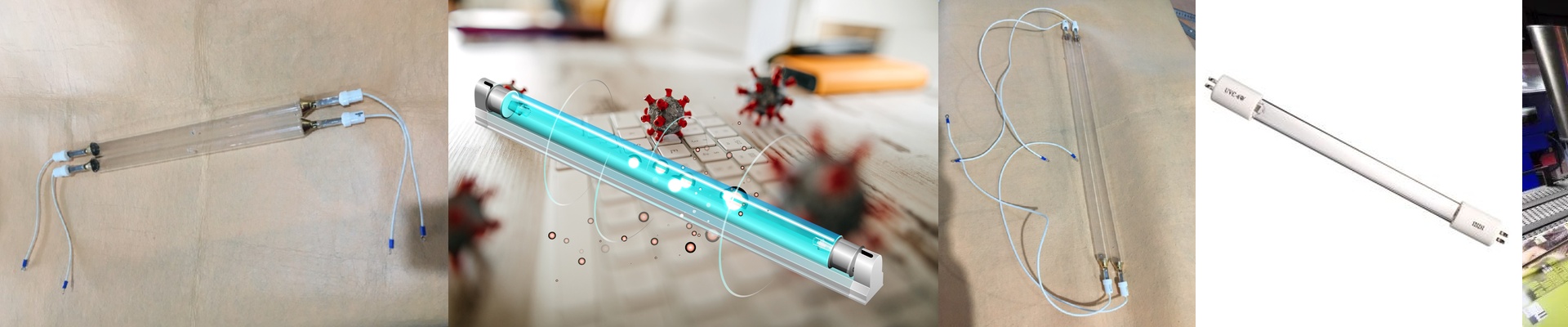
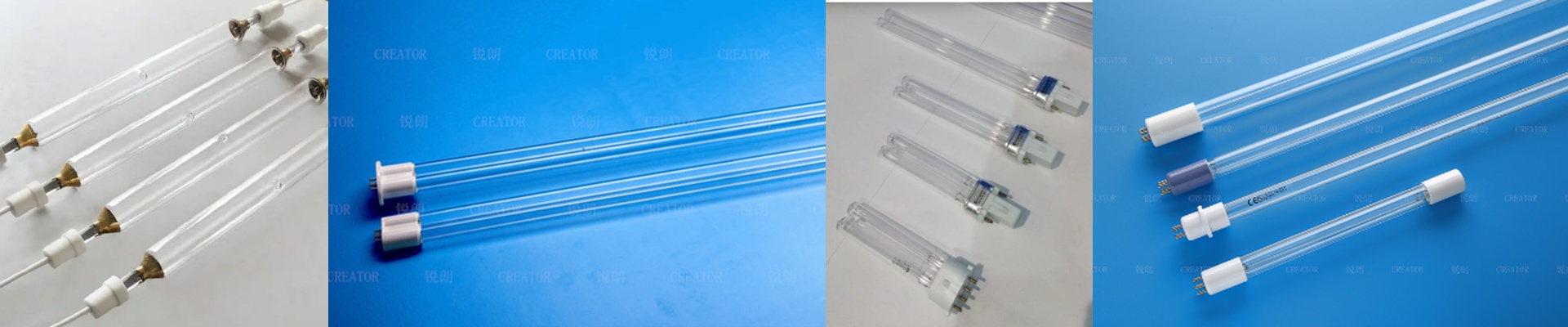
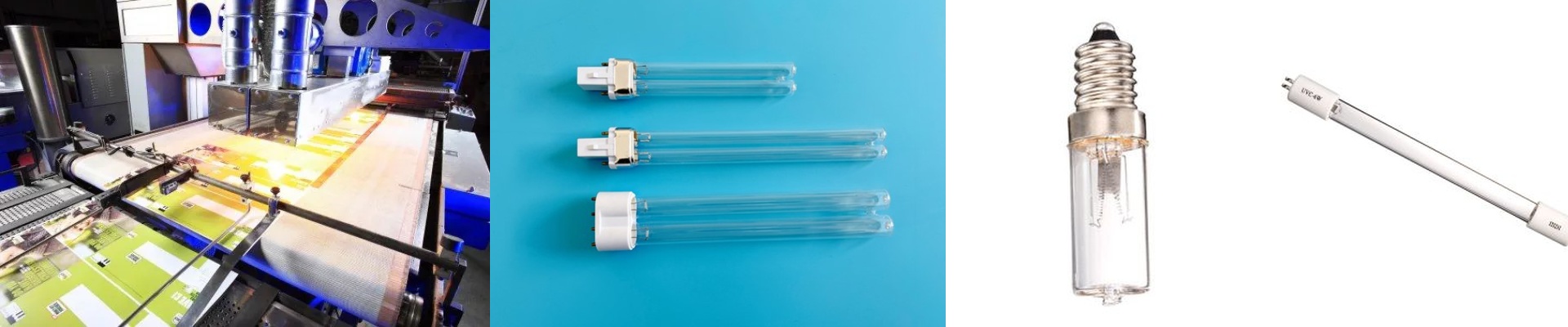
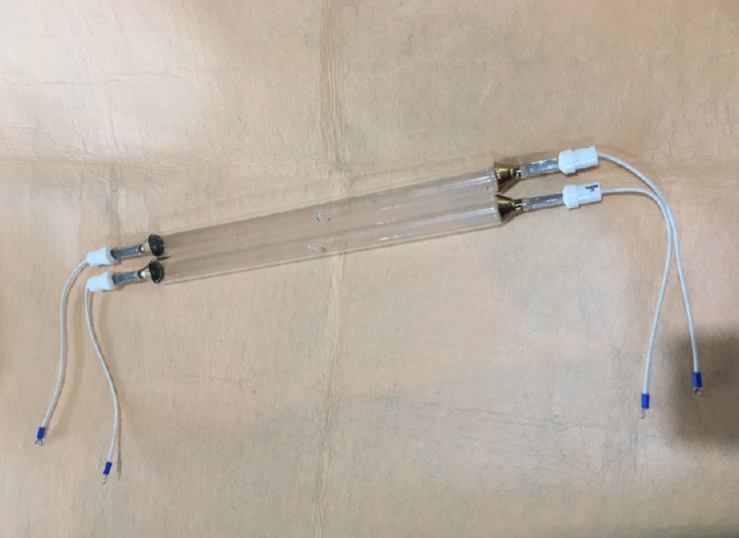
On a screen line, the squeegee isn’t the bottleneck—it’s the wait for the ink to set. No instant cure means wet prints piling up, throughput tanking, and colors starting to bleed. So the real question is: how do you get true instant-dry and keep the press moving? You bring in a UV lamp built for high response, one that delivers the peak irradiance and spectral output needed to kick off cross-linking the moment the substrate clears the print head. What actually matters under the hood When you’re curing plastic parts, the spectral output has to line up with the photoinitiator package. High-pressure mercury vapor lamps punch hard at 365 nm, with solid lines at 313 nm and 405 nm to cover a broad spread of initiators. Peak irradiance—measured in mW/cm²—sets how fast the surface cures; inline screen work needs ≥800 mW/cm² at the substrate plane to keep tack from showing up. Energy density, in mJ/cm², drives full cure depth and adhesion. Reflectors with dichroic coatings shape the beam and cut wasted IR, while ozone-free quartz envelopes keep the work area clean and protect sensitive films. Why this works on a screen press Screen printing lays down thick deposits, and opaque pigments soak up UV hard. A high-response lamp with fast arc stabilization hits full output in seconds, so the first sheet gets cured at full line speed. That wipes out the pause that breaks your rhythm. You end up with consistent cure across the sheet, sharper dot definition, and prints that can stack immediately. Energy use drops because dwell time shrinks, and lamp life stretches out since the system runs at stable, repeatable output. The details you can’t skip Matching the lamp to the press isn’t optional. Screen frames, lamp housing, and airflow dictate what envelope you can work within. Verify reflector geometry, connector type, and cooling requirements against your machine. Output will decay over life; run radiometer checks every 1,000 hours to catch the 10% drop before it starts affecting cure. And running at under-spec voltage to save energy will extend lamp life—but it cuts irradiance. That’s a real trade-off you manage with data, not wishful thinking.