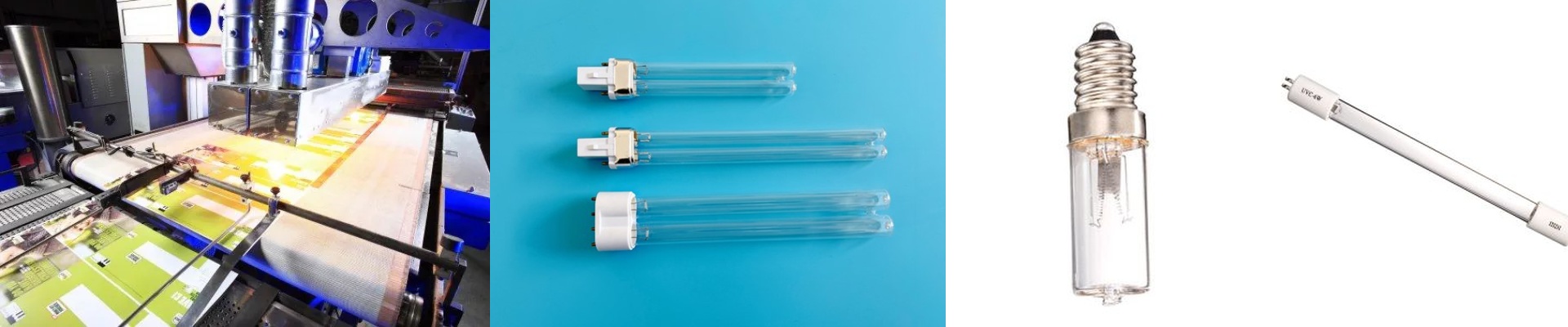
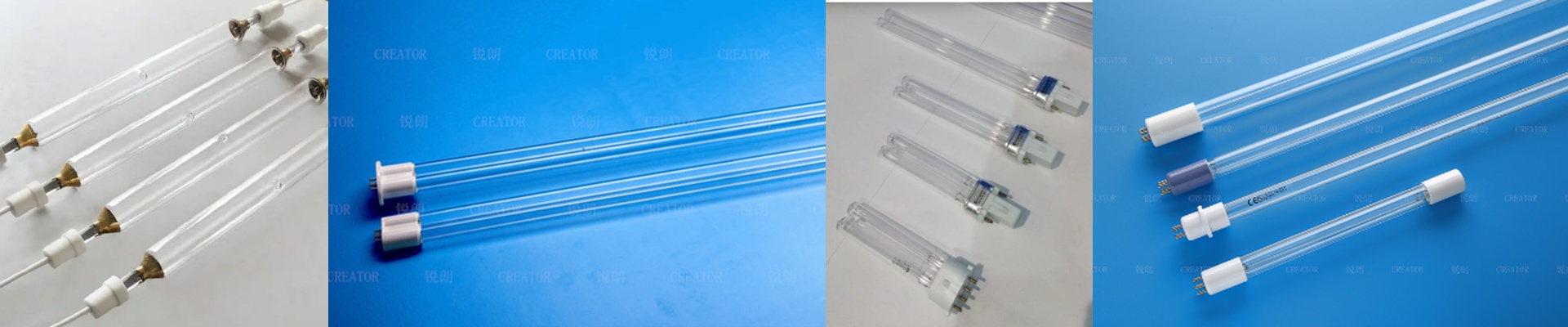
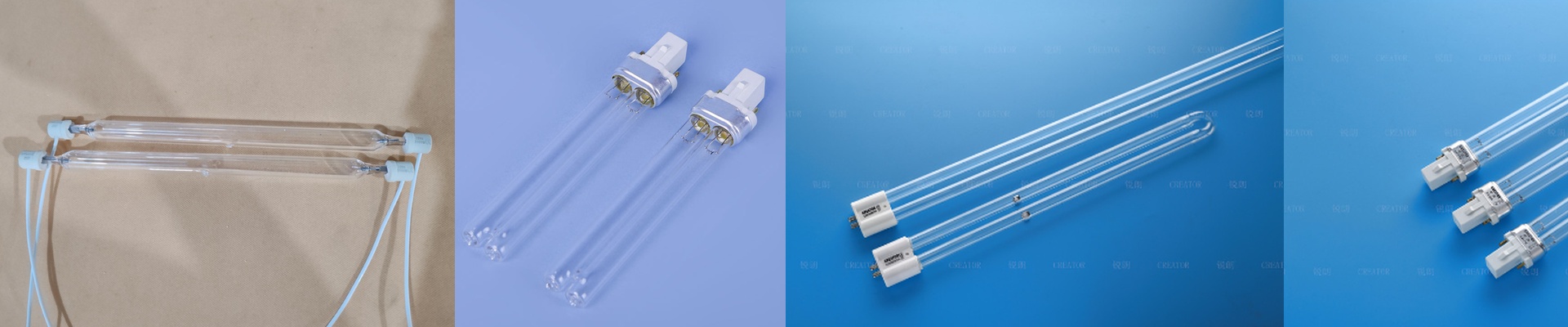
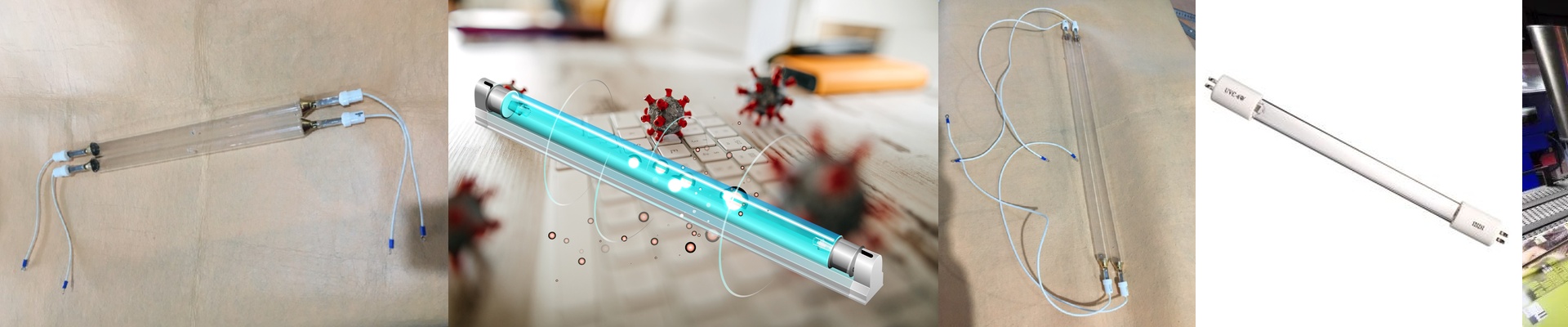
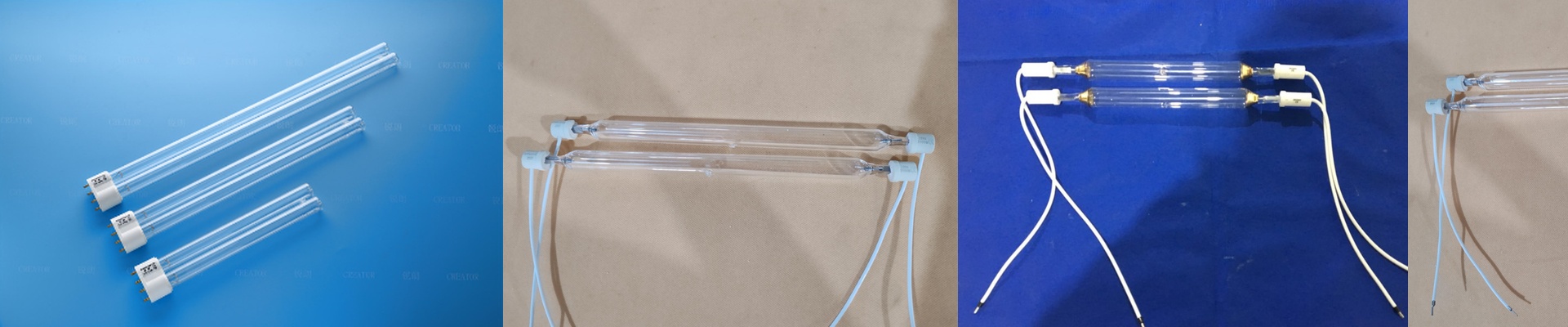
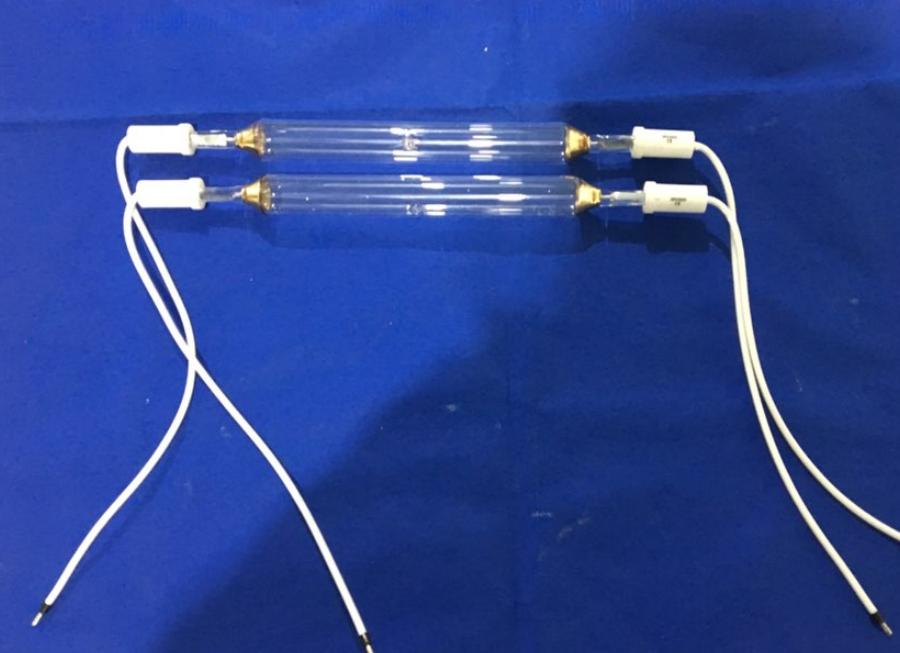
On a fast garment line, the printhead usually isn’t the bottleneck—drying is. If the UV lamp can’t cure instantly and consistently, the line stops. You lose throughput, and you start gambling with set-off or under-cured ink on synthetics. The fix is a lamp engineered to match the ink’s photoinitiator window and the substrate’s heat tolerance. Here’s what matters under the hood. We start with a high-pressure mercury vapor source, tuned for strong 365 nm output, then add broadband energy so white and color inks fully kick off. Peak irradiance is specified at the substrate plane, not just at the arc. Curing is dose and time—energy density (mJ/cm²) has to clear the ink’s threshold in a single pass. A dichroic-coated reflector concentrates output and cuts wasted IR, so the garment stays cool while the cure stays aggressive. We also target stable output over lamp life, because a 10% drop by 2,000 hours will quietly wreck cure consistency. Why this works on the floor. High-speed garment printing needs curing in seconds, not minutes. The lamp delivers the right spectral output to trigger rapid cross-linking on cotton blends, polyester, and coated substrates, so line speed keeps up with the print. The payoff is fewer rejects from uncured ink, less off-gassing, and color density that holds steady run after run. Energy use drops because the reflector and spectral control put UV where it counts, not into bulk heat. A few practical details. Installation has to respect the lamp’s focal distance and the printer’s dwell time—mismatched geometry will under-dose the ink, even with a powerful lamp. Check compatibility with your curing module: voltage, connector type, and cooling airflow all need to line up. Running at max power around the clock shortens lamp life, so set power to match the ink’s minimum cure dose. And expect ozone with standard air-cooled systems; if that’s a problem in the plant, spec an ozone-free configuration or add extraction.