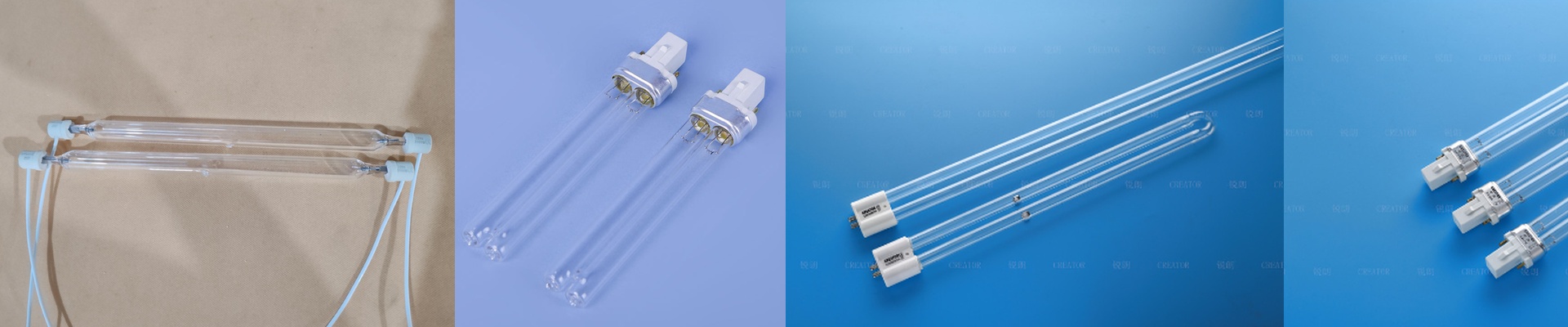
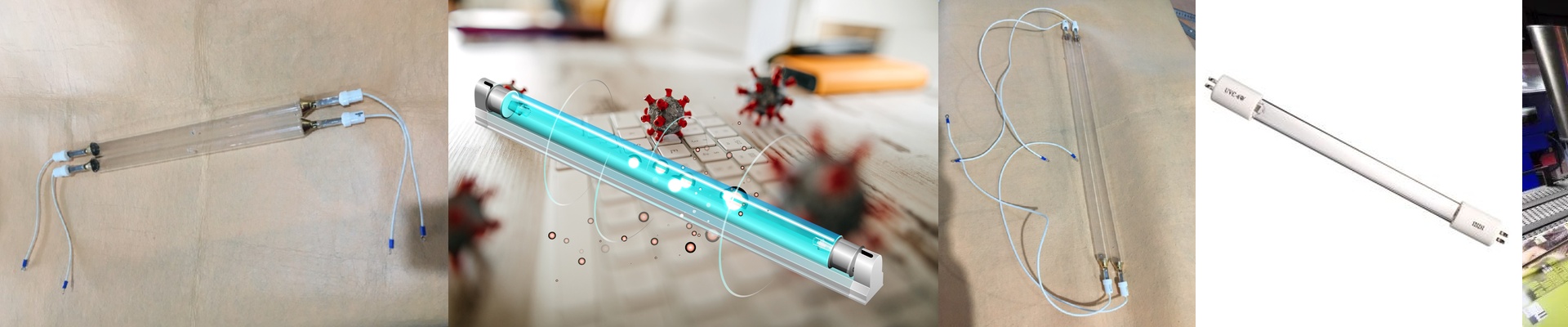
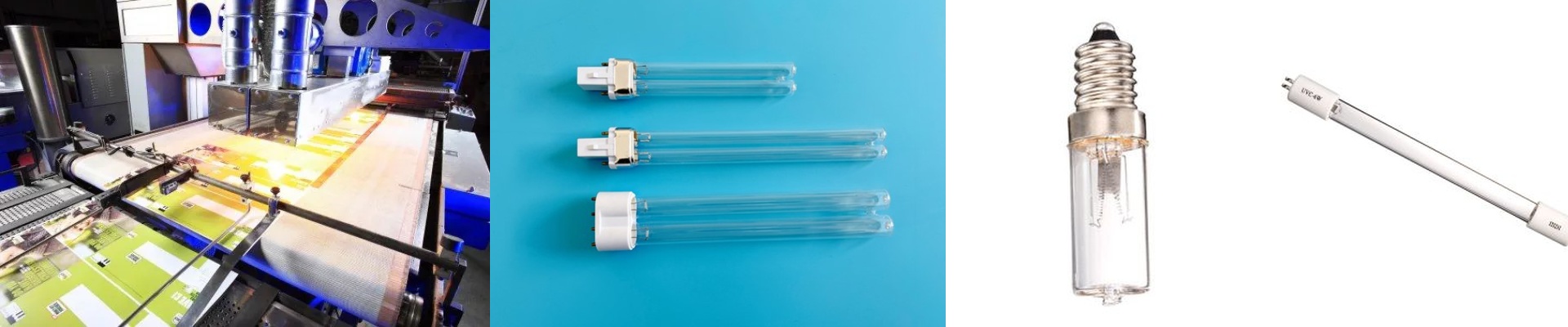
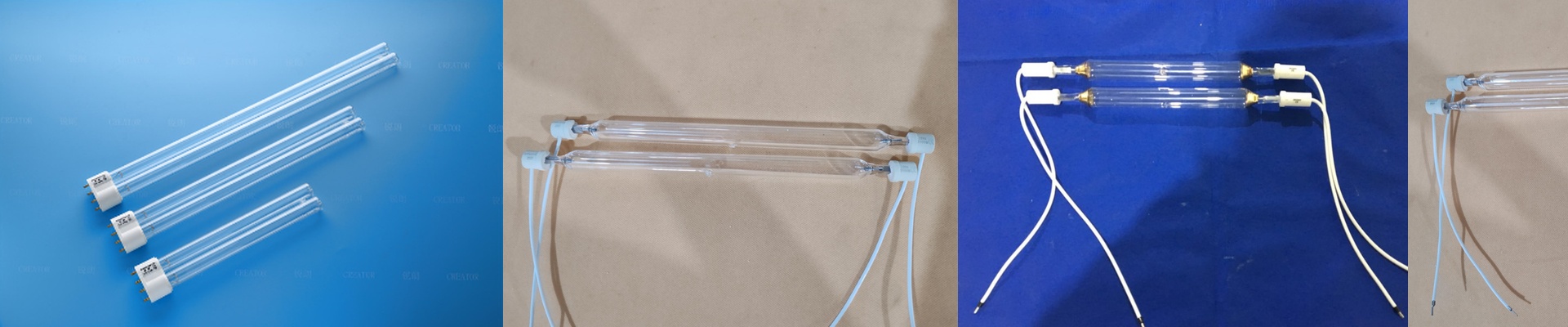
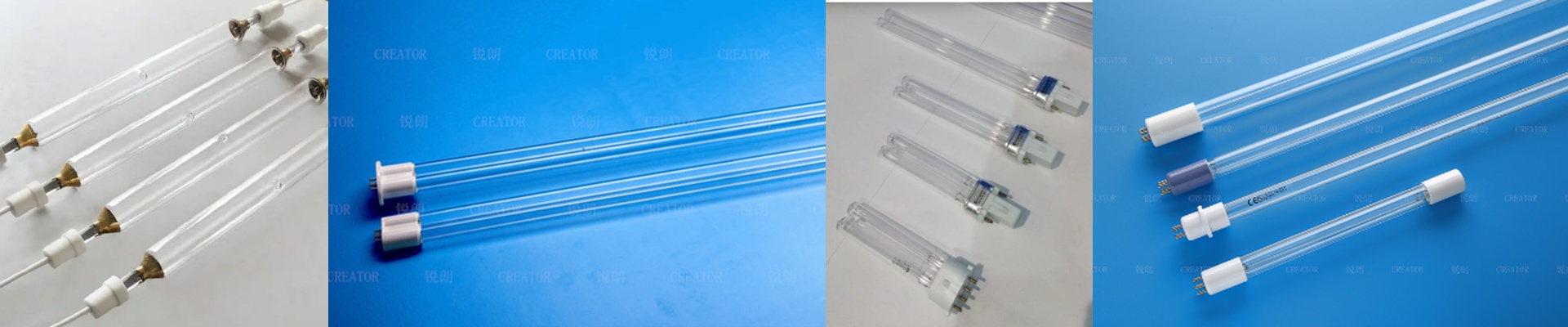
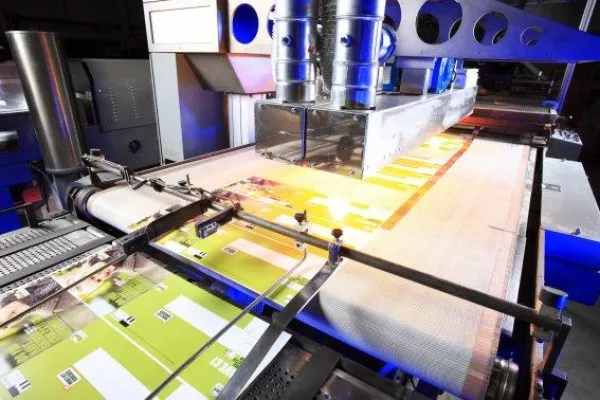
On the press floor, a lamp that “looks bright” can still miss the only number that matters: the energy actually delivered at the substrate. In UV curing, intensity isn’t a vibe—it’s peak irradiance and cumulative energy density, measured. Without a repeatable test method, you end up chasing curing defects, press slowdowns, and lamps that die early. And your brand pays for it. What matters, technically You quantify UV lamp intensity with a calibrated spectral radiometer, reading mW/cm² at the wavelengths that matter—365 nm for standard mercury vapor, 385–405 nm for LED-like pinning, and broadband output for thick ink films. Measure peak irradiance at the same arc distance your fixture uses, then integrate exposure time to get mJ/cm². Check spectral output against the photoinitiator absorption band. When those don’t line up, you can get uncured surface layers even if the total energy looks fine. Track lamp life by logging output on a fixed schedule—expect a measurable drop after 1,000–2,000 hours, depending on arc design and electrode stability. Why it works in practice We build OEM curing systems around application-specific spectral targets, reflector geometry, and duty cycle. In offset, a stable 365 nm peak and tight arc uniformity give consistent cross-linking across the sheet, so set-off and powdering fall off. In flexo, controlled heat and optimized dichroic reflectors keep anilox integrity intact while you cure high line counts. In screen, high peak irradiance punches through thick deposits and cures without pinholes. When intensity is verified, you can run faster, cut rejects, and keep performance consistent across multiple presses. The details that decide it Installation is straightforward, but alignment and cooling make or break it. Set the lamp-to-substrate gap per the fixture spec, verify reflector cleanliness, and keep an eye on inlet air temperature. Intensity drops as the lamp heats up—measure under production conditions, not at cold start. Reflector aging and quartz degradation cut output before any visible color change shows up, so schedule periodic radiometer checks and keep a calibration record.