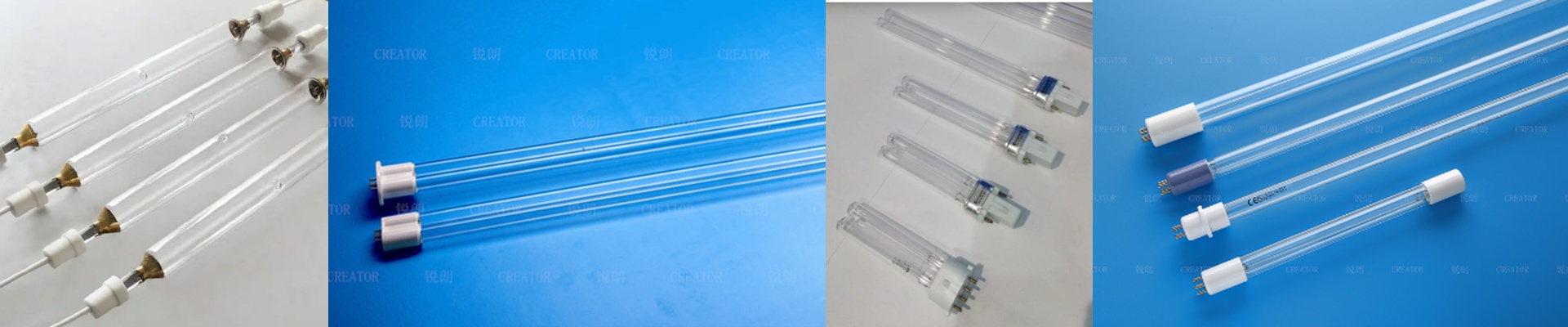
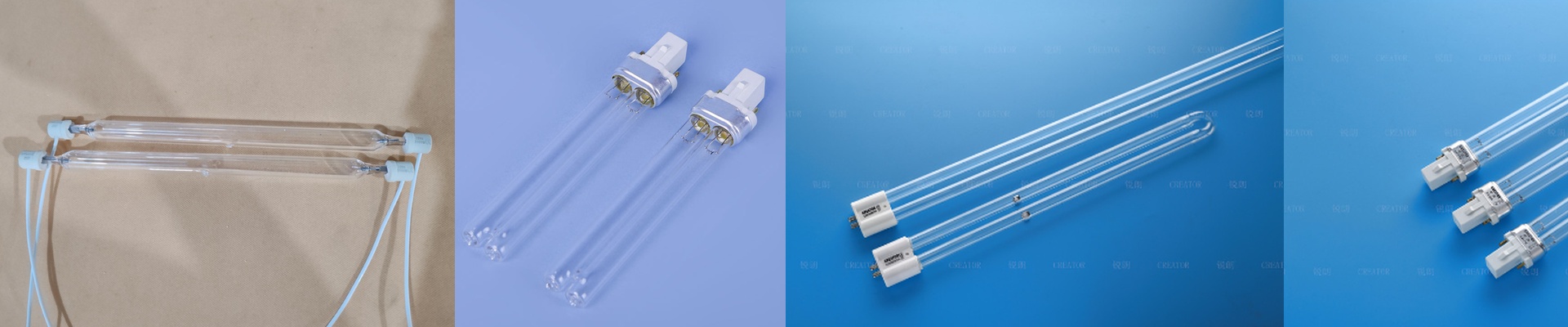
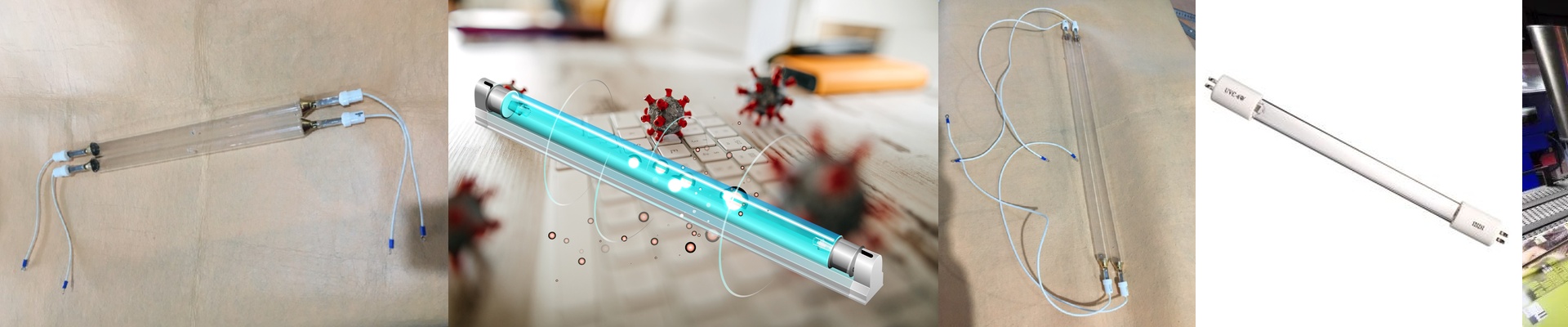
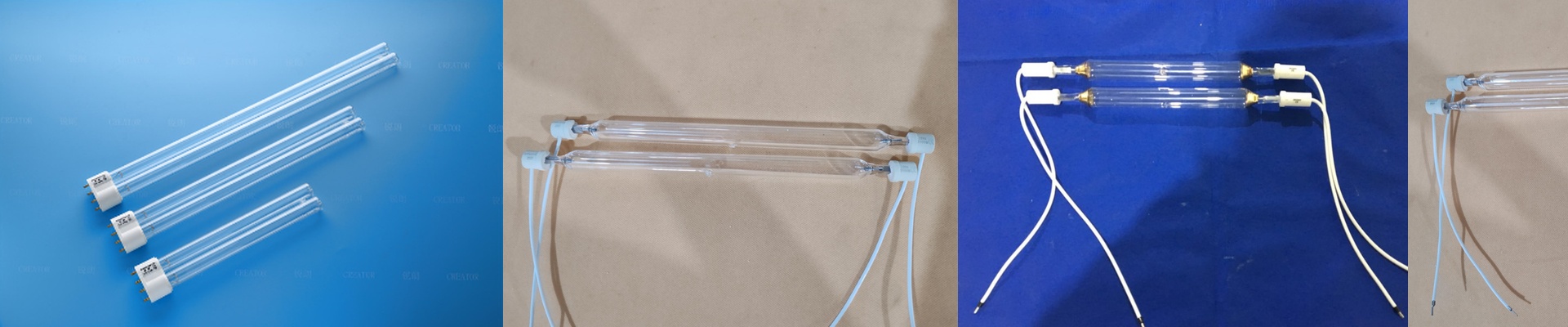
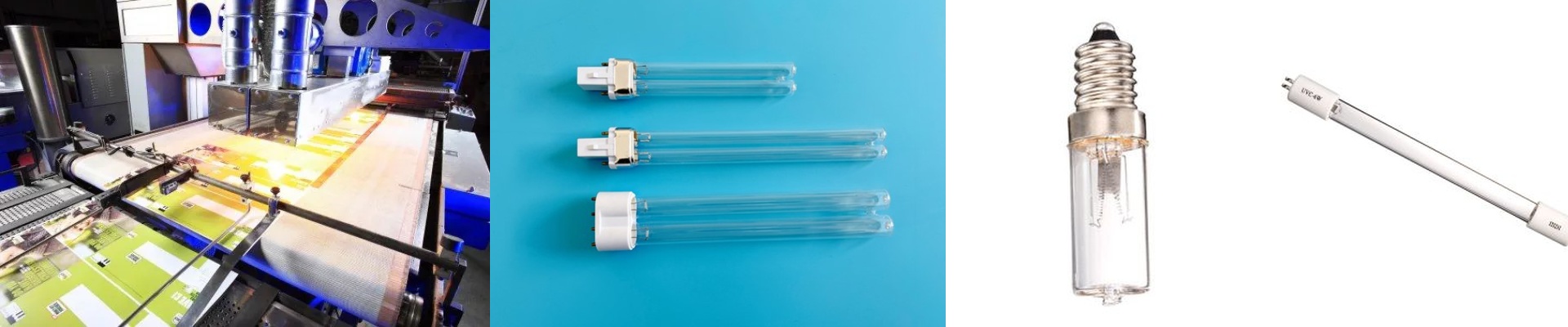
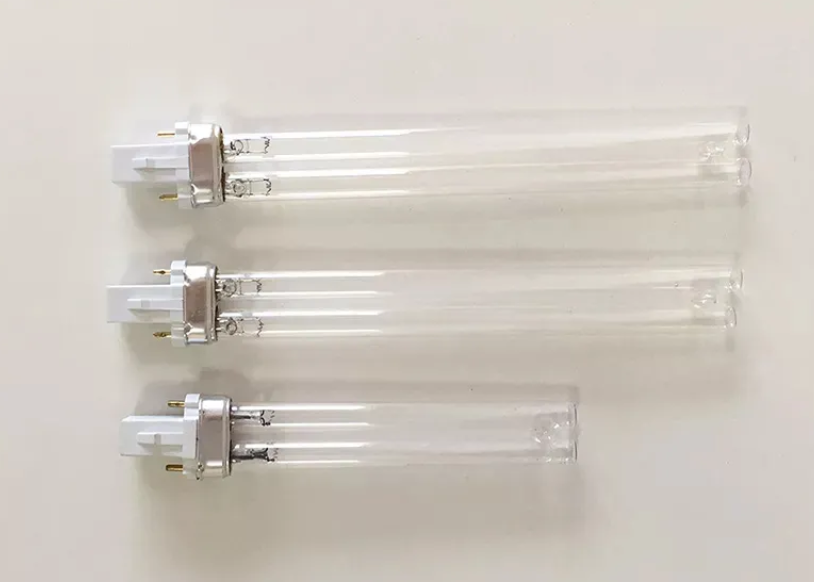
On the floor, you watch the lamp strike, and the first thing you pick up on is color temperature. With a 254nm UV sterilization lamp, that bluish-white isn’t just cosmetic—it’s a straight read on the internal fill composition and the condition of the quartz envelope. A steady, repeatable tint tells you the mercury vapor pressure is sitting where it should. If it drifts pink or turns a harsh blue, you’re looking at a gas mix issue, fill pressure that’s off, or a lamp that’s aging. The core of it is straightforward: the 254nm line does the heavy lifting on germicidal output, but the visible continuum comes from the fill gas and plasma temperature. We run these with high-purity mercury and a controlled inert fill to keep vapor pressure stable through warm-up. That stability keeps the spectral output tight and repeatable, so you can use color as a quick pass/fail before you even reach for the radiometer. It also keeps the 254nm output predictable over the life of the lamp, so you don’t get the peak irradiance drop that forces you to slow line speed or risk under-dose. So what does that mean on the line? Uptime and yield. When lamp color stays consistent, dose stays consistent, and you can hold process windows without chasing excursions. You end up with fewer rejected batches, longer intervals between lamp changes, and lower energy per unit because the system spends less time warming up and less time compensating for output drift. Here’s the reality check: ambient temperature and airflow matter. Cold starts and drafts can shift plasma temperature and change color temporarily, so you have to let the lamp stabilize before you call it. And keep the outer surface clean—film buildup scatters light and throws off the visual read, masking what the spectrum is really doing.