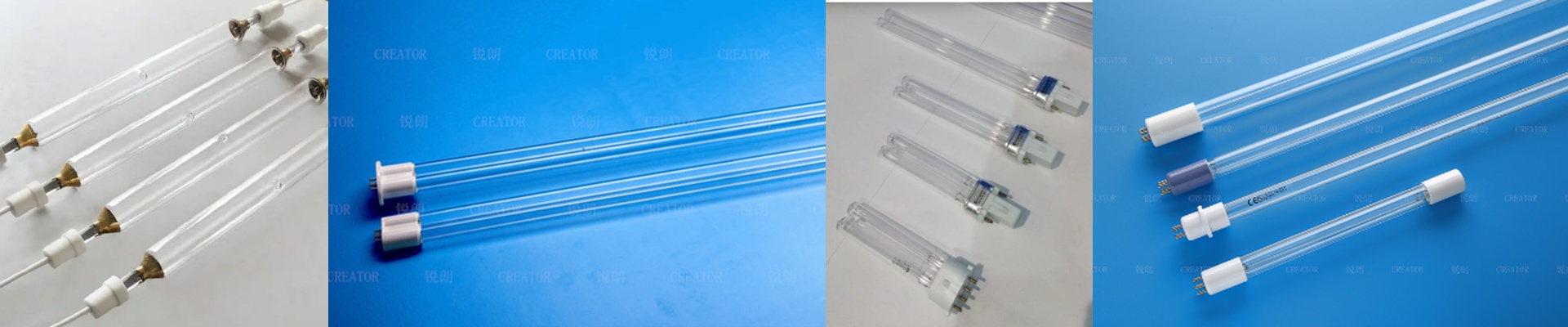
Introduction
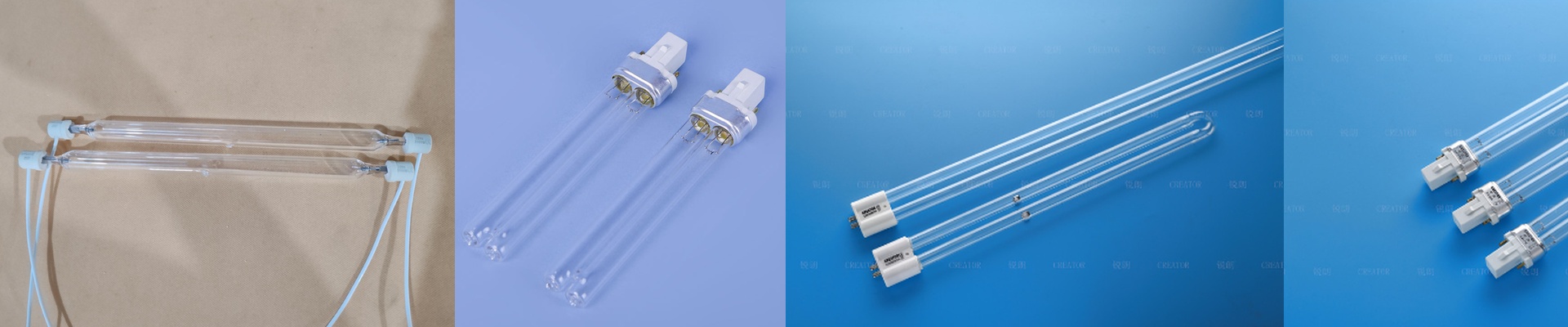
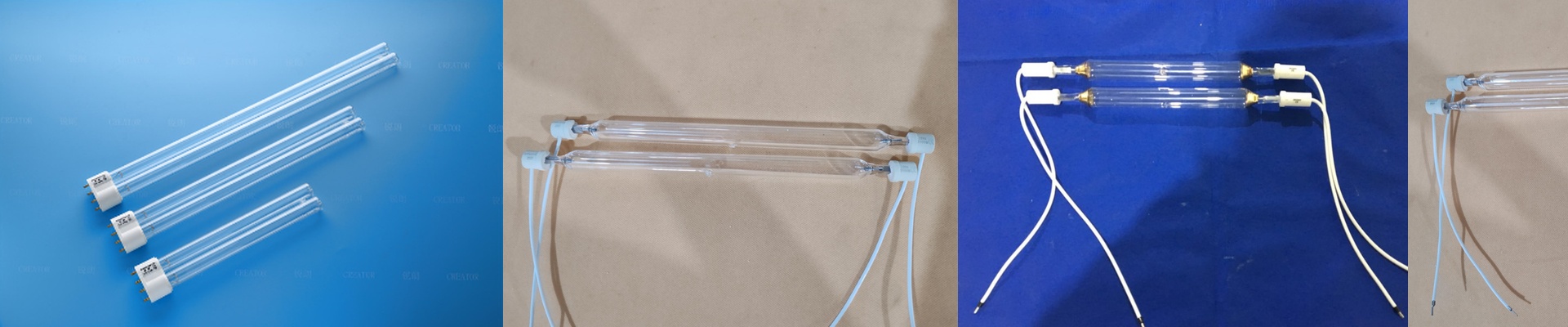
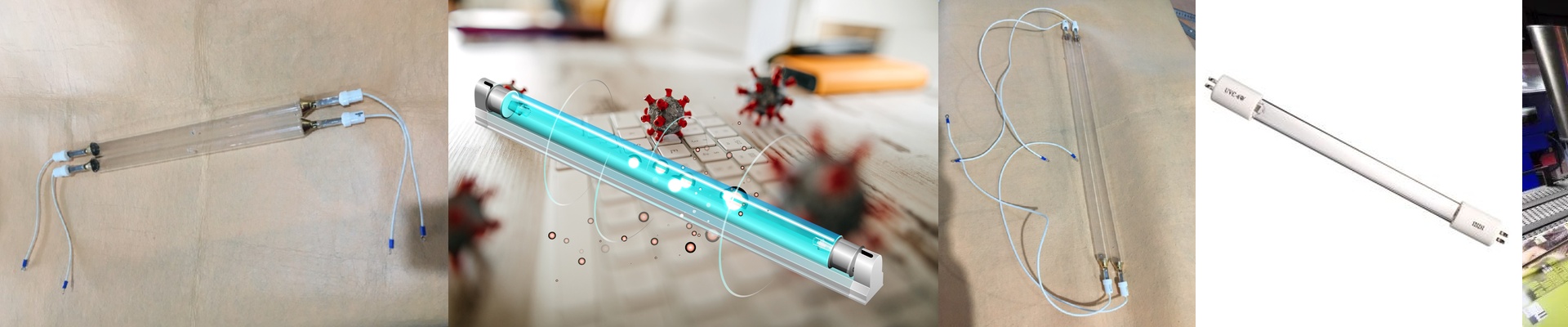
Here’s the thing: we built UV mercury and gallium lamps to make industrial biosafety simpler—no more leaning on chemical disinfection. These units hit hard with high-intensity germicidal light at 254nm, so you use fewer chemicals and never worry about residue hanging around. For the engineers on the floor, it’s about one clear win: a heat-and-light source that’s reliable, powerful, and slips right into the lines you already have.
Technical Deep-Dive
We designed these UVC lamps around a high-pressure discharge setup, and that needs stable, high-voltage ignition. That’s why we spec them at 400V—so the arc stays steady, even when the line wobbles and even with longer tubes. The power density is tuned for a quick warm-up and steady output, giving you the wattage per unit length you need to keep pace with cycle times. And the footprint? Compact. It slides into tight machine bays without forcing you to redesign the whole assembly.
Material and Design
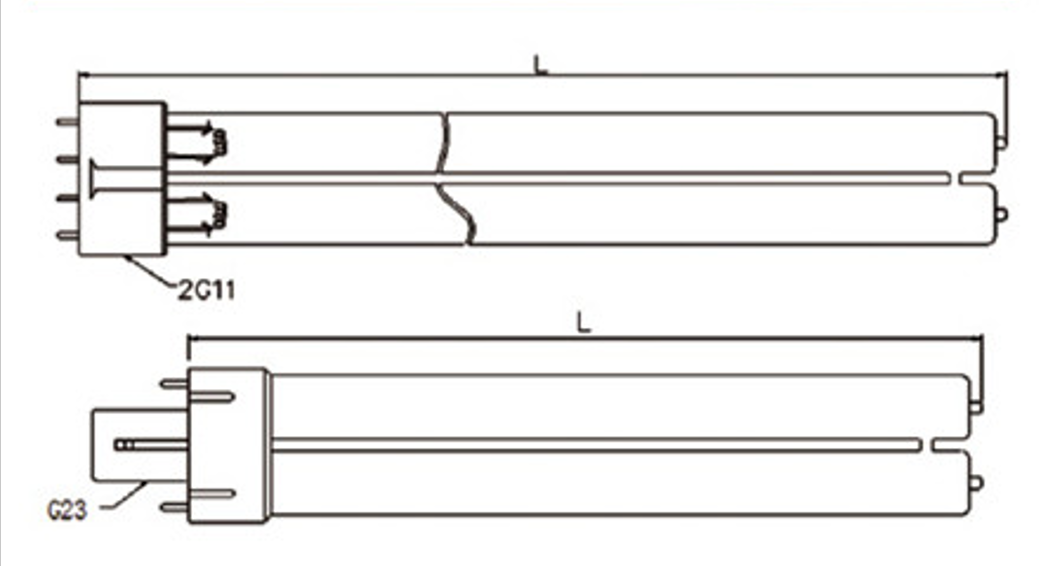
The heart of the lamp is quartz, chosen because it keeps UV transmission strong and handles thermal shock without blinking. Mercury gives you the core spectrum; gallium widens the output so germicidal coverage is more even across the target band. Inside, a coating stabilizes the arc and shields the filament, so performance stays solid even with repeated on/off cycles. And the R7s bi-pin connector? It’s there for tool-free installation and solid contact, which keeps resistance low at the ends. The upshot: maintenance stays simple, and downtime on the floor stays minimal.
Application and Benefits
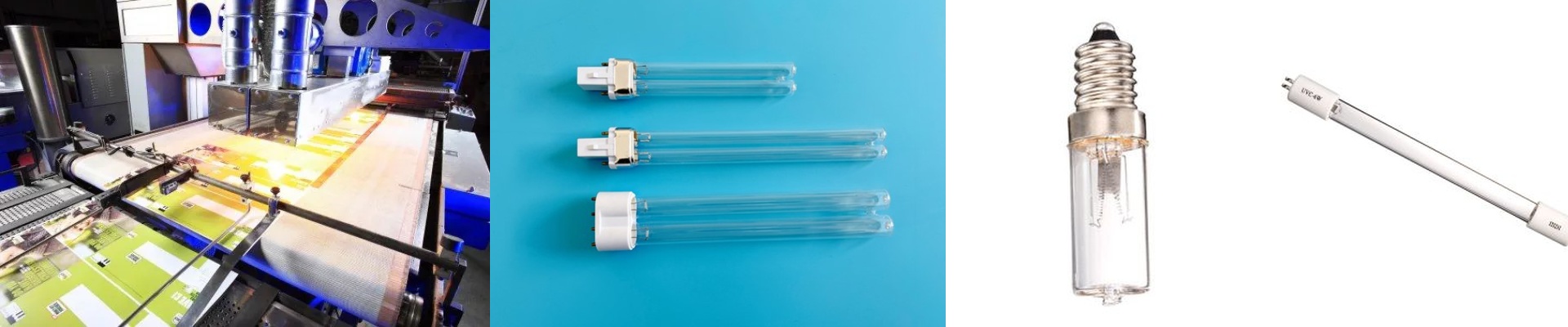
In biosafety work, these lamps offer a direct swap-out for liquid or gaseous chemical disinfection. You get immediate microbial reduction—no residues left behind—so post-process rinsing and validation are easier. Because the profile is high-voltage and high-output, you can spec a smaller lamp and still hit the same disinfection rate. That’s great, but it does mean you need adequate cooling and proper electrical isolation. Plan your heat rejection and shielding up front, and you end up with a process that’s dependable and repeatable—while cutting chemical handling and waste.