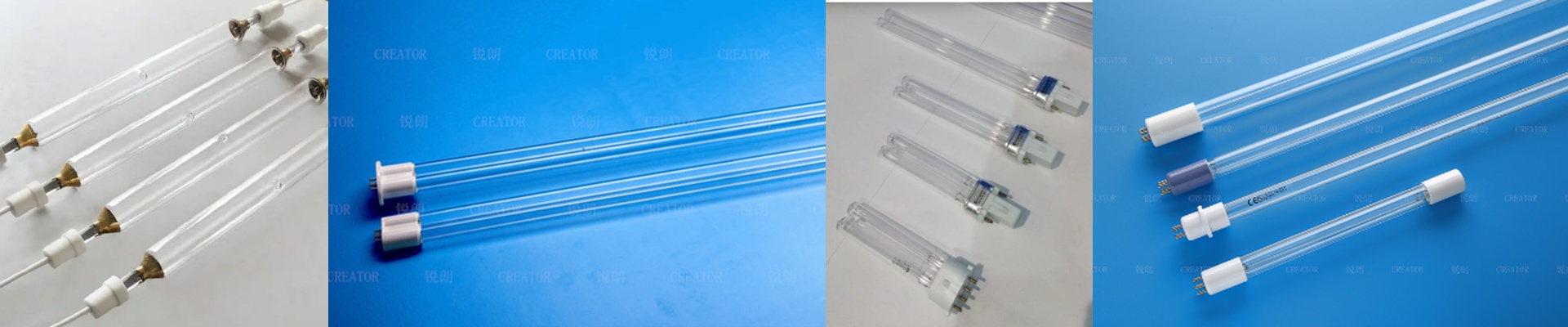
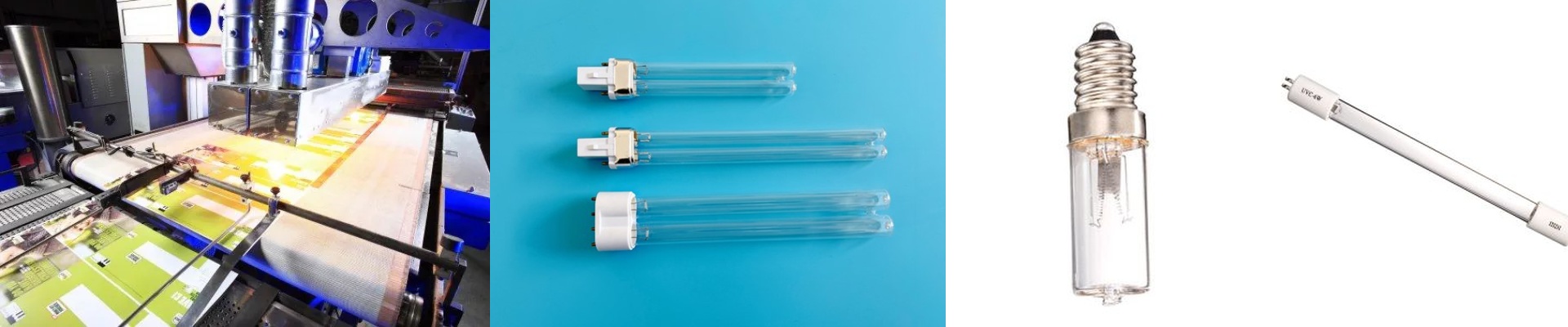
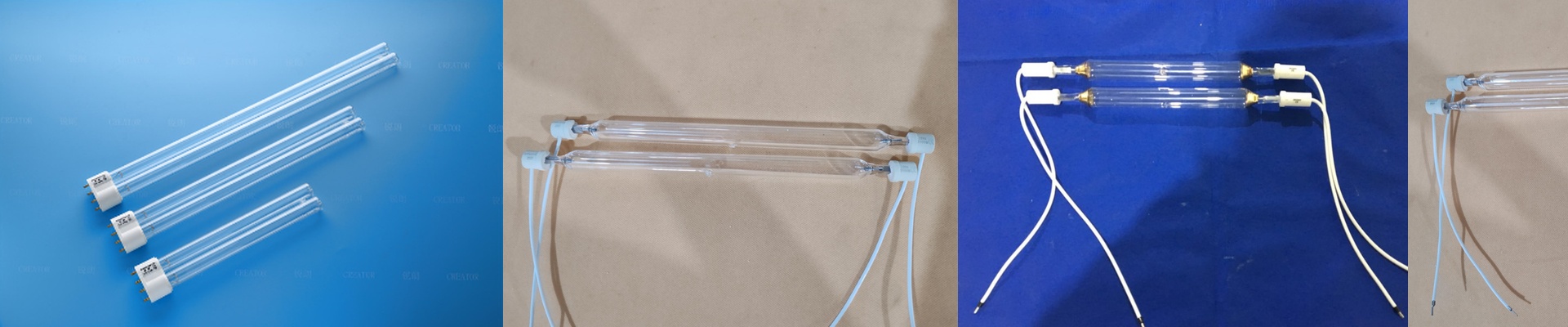
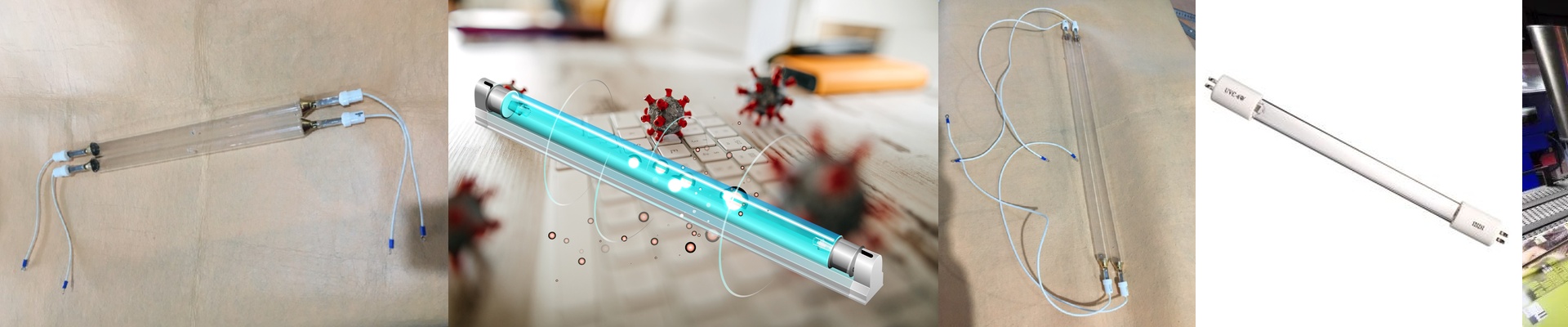
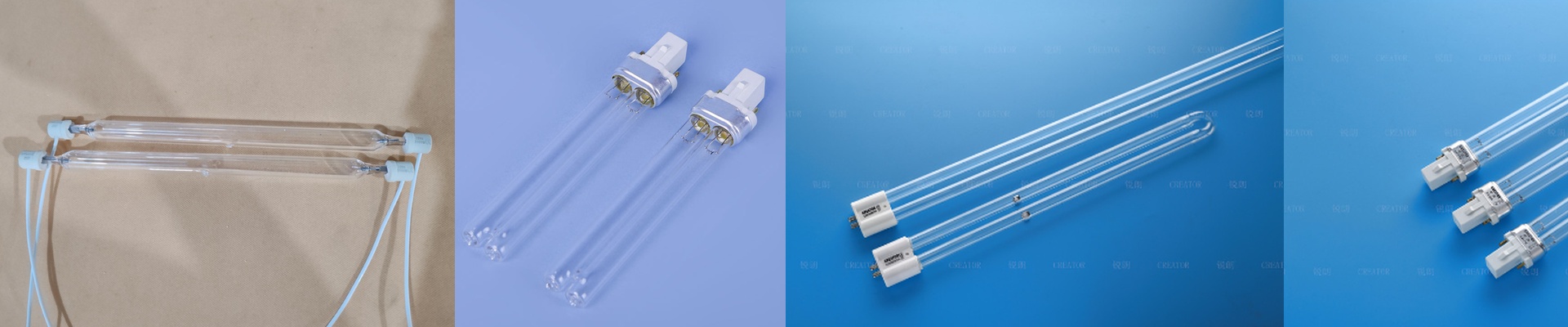
High-Intensity UV Spot Curing: The Voltage Problem We Solved
These high-intensity UV spot curing systems are built for one thing: speed. They hit adhesives, coatings, and inks with a tight, powerful burst of ultraviolet energy, and the job is done—instantly. But here’s the catch: that kind of performance lives or dies on clean, steady power. And on a factory floor, voltage swings are just part of the day. A big motor kicks on. The grid wobbles. Suddenly, lamp output dips. You get incomplete cures. And yeah, scrap. We built our circuit compensation to keep the lamp output rock-solid, no matter what the line voltage is doing.
The Power Balance: Performance That Fits
We designed these units around a very specific power profile. A high-voltage lamp makes it possible to pack serious UV intensity into a small footprint. That’s how you get the energy density needed for fast curing cycles. And the size? It’s matched to the fixture and the work area, so the unit slips in where you need it—without forcing you to redesign the whole machine. The circuit compensation isn’t just a basic regulator. It watches input fluctuations and adjusts the lamp drive in real time. If line voltage drops, the system compensates to hold the target irradiance. If voltage surges, it clamps the drive—protecting the lamp and keeping output consistent. The result is a tight, repeatable process window, which is exactly what you need for quality that doesn’t drift.
Built to Take the Heat—And the Hard Days
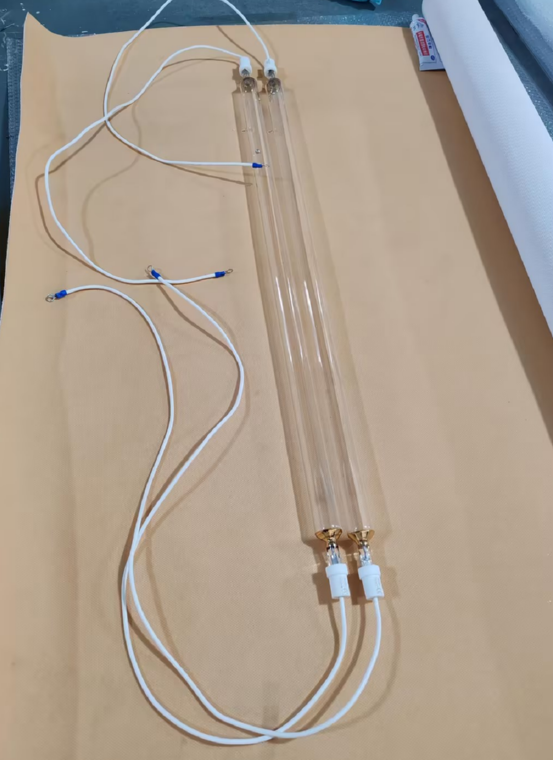
The lamp itself is built for stress—thermal and electrical. The quartz envelope handles high temperature and transmits UV cleanly, while the internal fill is tuned for stable spectral output. Then we matched it with an electrical interface that’s truly industrial. The connectors are spec’d for high current and high temperature, so they won’t loosen or degrade as things heat up and cool down, shift after shift. It’s a drop-in workhorse. Wire it up, set the drive parameters, and it holds the setpoint. The compensation circuit sits between the power supply and the lamp, soaking up the line noise so the lamp gets a clean, controlled drive.
What It Does in the Real World—And the Trade-Off
Out on the line, this setup shines for micro-bonding, mask-less curing, and rapid coating set. The compensation keeps cure depth consistent, even when the line voltage is getting hammered. Fewer parameter tweaks. Less scrap. But there’s a trade-off you should know up front. High-intensity UV spot curing runs hot and hard. The cooling—whether air or liquid—has to be properly sized for the thermal load. If you want more intensity, you have to plan for the heat. Do that, and the unit will run reliably, shift after shift.