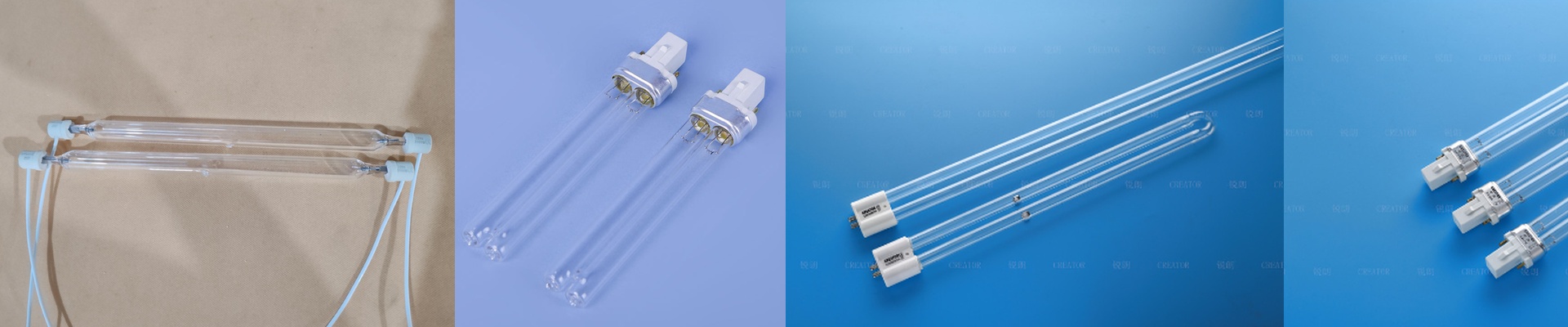
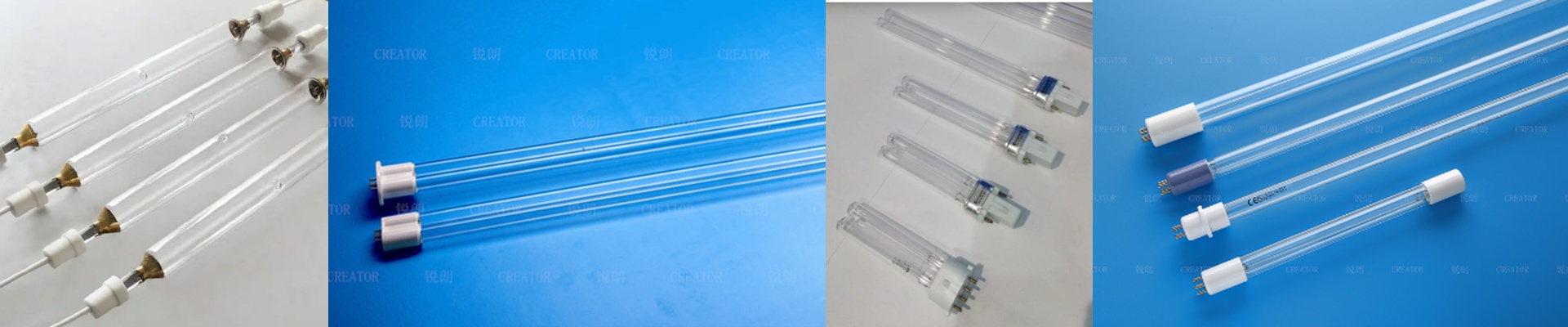
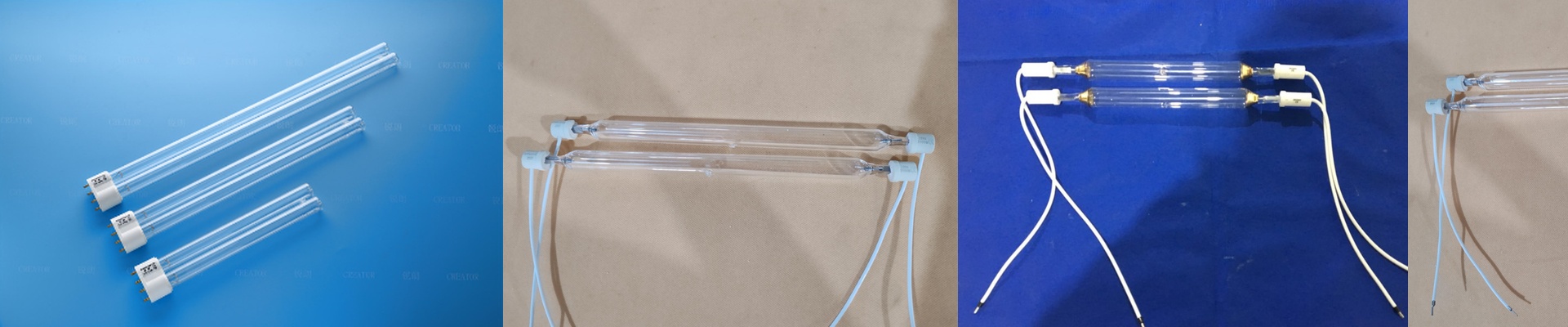
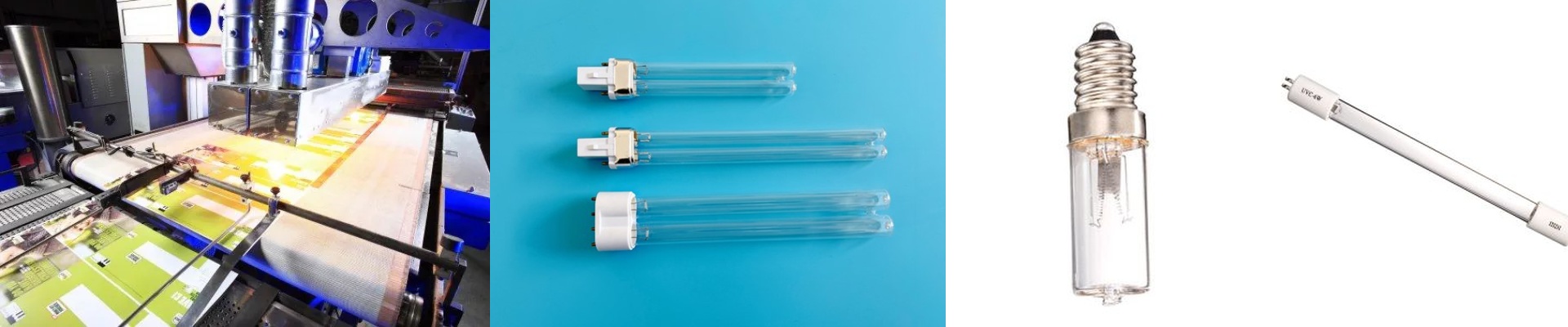
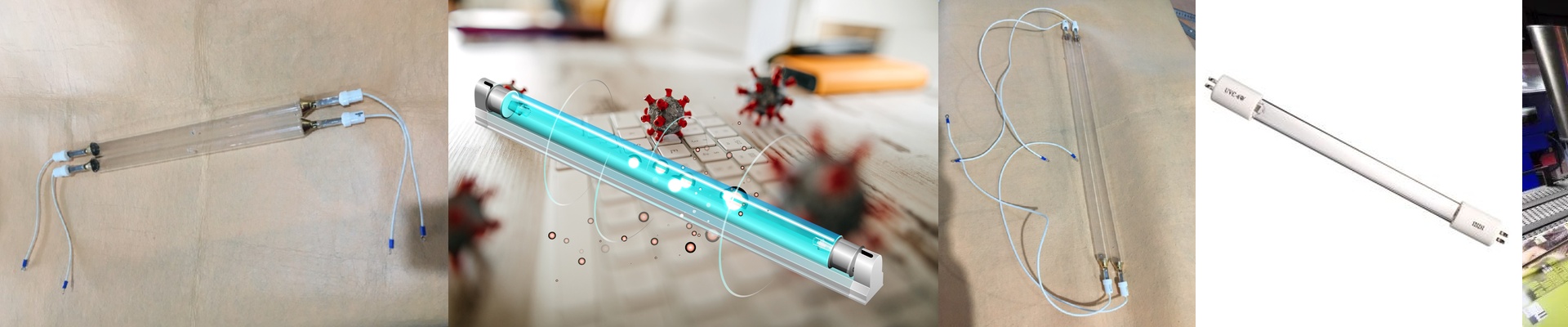
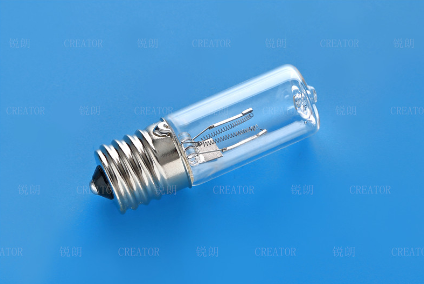
On a hybrid press, you’re always walking the line between a fast cure and a wet trap. Mix UV-curable adhesives with water-based colorants, and the lamp has to satisfy two different photoinitiator profiles in one pass. If the spectrum is off, you get surface skinning before the bulk cross-links, or the water fraction stays trapped and kills adhesion. Here’s where high-intensity UV, tuned by wavelength, turns an unknown into a known. What actually matters We build custom UV lamps around spectral output, not just raw power. The 365 nm band drives surface cure where oxygen inhibition is a factor, while 385–405 nm gets you deeper penetration for thicker layers and pigmented inks. With dichroic-coated reflectors and ozone-free quartz envelopes, we hold peak irradiance within tight tolerances across the arc length, so the energy density at the substrate is repeatable. You can bank on stable output for 5,000+ hours with low attenuation, and spectral consistency that keeps cure windows from drifting shift to shift. Why it works in practice Spectral tuning lets you match the lamp to both ink chemistries at the same time. Lean into 365 nm for the adhesive layer, then shift toward 385–405 nm for the water-compatible top coat, and you knock down surface tack without under-curing through the film. The payoff is fewer rejects, higher line speeds, and less over-curing that can embrittle substrates. Energy use drops because you aren’t overdriving the lamp just to compensate for mismatched spectra. A few shop-floor notes Hybrid presses run in tight space envelopes with specific reflector geometries, so the lamp has to fit the curing module footprint and airflow. Output is sensitive to surface temperature and cooling, too—keep the lamp window clean and keep the cooling path maintained. Schedule intensity checks with a spectral radiometer. Even low-decay lamps will drift if the system is out of alignment.