Optimizing UV Curing Lamps for Fly Tying: How Custom Energy Distribution Gets Rid of Shadow Zones on Tricky Shapes
Let’s talk about UV curing for fly tying—because when you’re tying, precision and speed aren’t optional. They’re the whole point. The real headache isn’t just raw power. It’s getting consistent, even energy onto those weird, non-standard profiles—tapers, curves, thin edges—without leaving behind uncured “shadow zones.” So we built UV lamps that match the geometry of the work, not the other way around. The goal is simple: every angle gets the same dose.
Power, Voltage, and Geometry—Made Practical
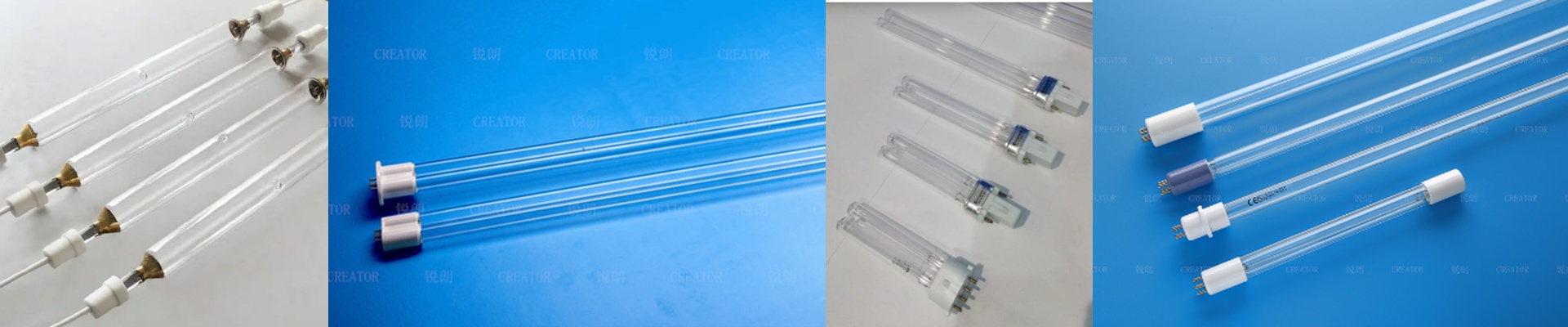
We start with the part itself. We tailor the system so the energy lands evenly across the whole curing area, whether your line is 240V or 400V. The wattage is matched to the element’s length and cross-section, so the light output stays flat across the surface. That’s how you avoid the dips that cause weak bonds on contours and overhangs. And we size the lamp to cover the part without going overboard. No wasted energy. No giant footprint. In practice, that means you can set output and dwell time in a tight, repeatable window—so you keep quality steady while moving faster.
Material & Design: Keeping It Cool, Clean, and Simple
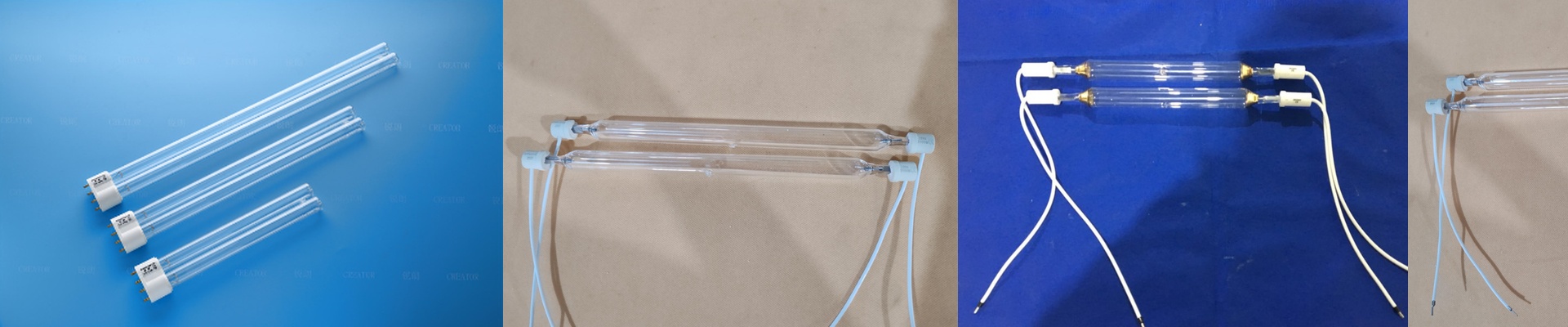
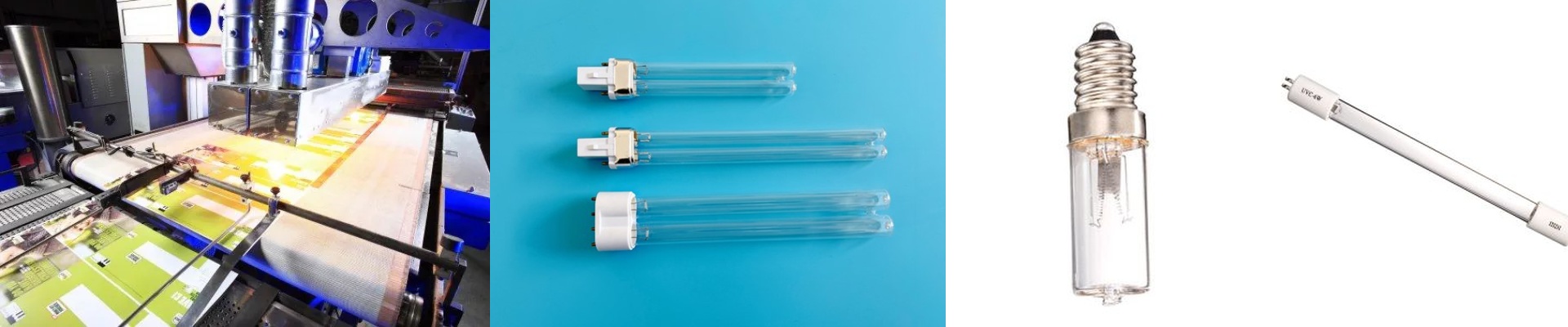
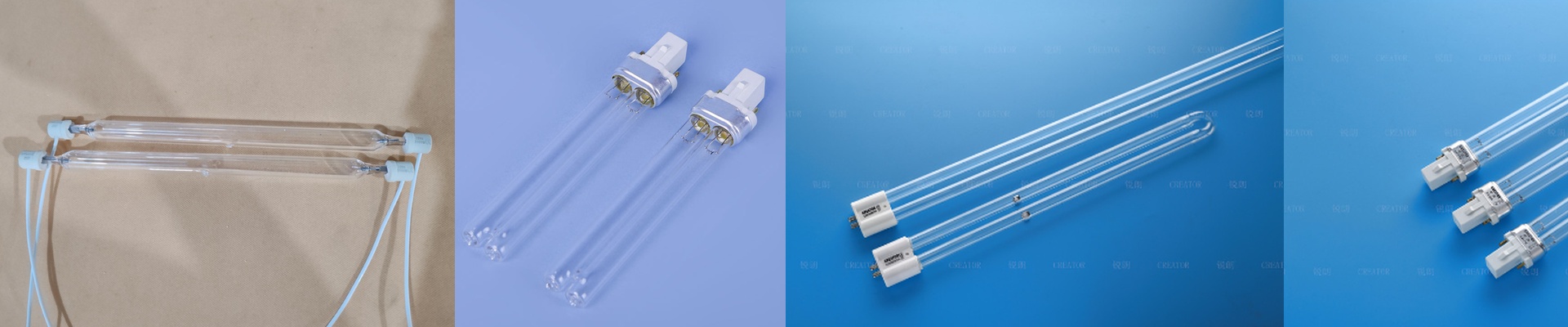
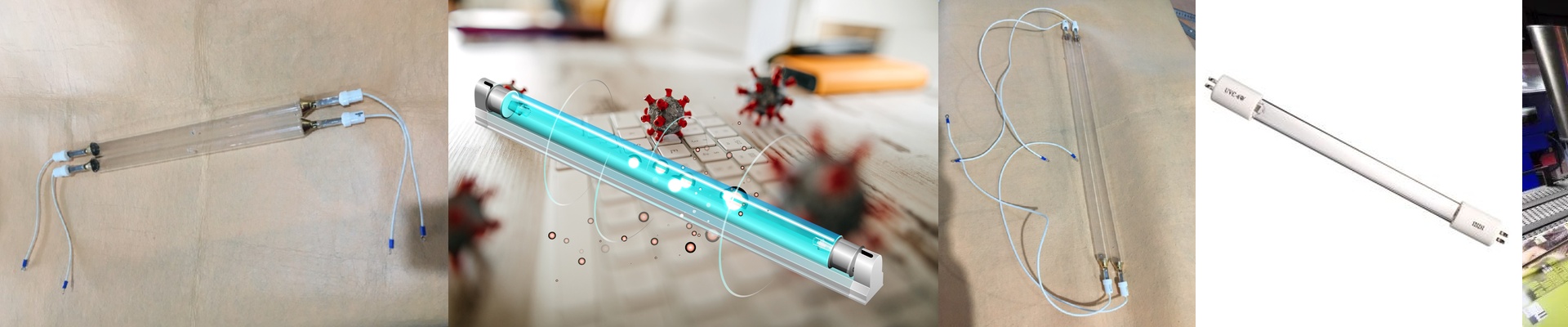
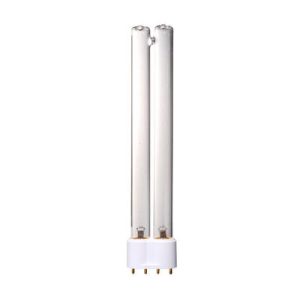
The UV source runs through a quartz sleeve with a specialized coating. That coating helps shape the spectral output and manage heat, so the lamp stays stable even when you’re running it again and again. No hot spots. No warping of delicate materials. It also improves reflectance—pushing more usable energy onto the fly instead of losing it inside the fixture. Installation is straightforward, too. We use the right connectors for your setup—whether it’s an R7s base or a SK15 terminal block—so the lamp drops right in. The terminals handle the current, and the mechanical interface holds alignment so the beam stays locked on target. That matters when you’re swapping lamps on the floor and need repeatable positioning without fiddling with the holder.
The Payoff: Complex Shapes, No Dead Zones
Fly tying components are full of irregular profiles—tapers, curves, and edges that create curing shadows. Our lamps are customized so the energy follows those contours. No死角. Just a uniform cure across the whole surface. The result? Fewer rejects, cure strength you can count on, and a process that holds up when you’re running at production speed. A quick reality check: higher power density cures faster, but it needs proper cooling and shielding to keep ambient heat in check. Plan your machine’s thermal budget up front, and you’ll get reliable performance without thermal drift.