So, Why the Blue Glow? It’s Just Physics.
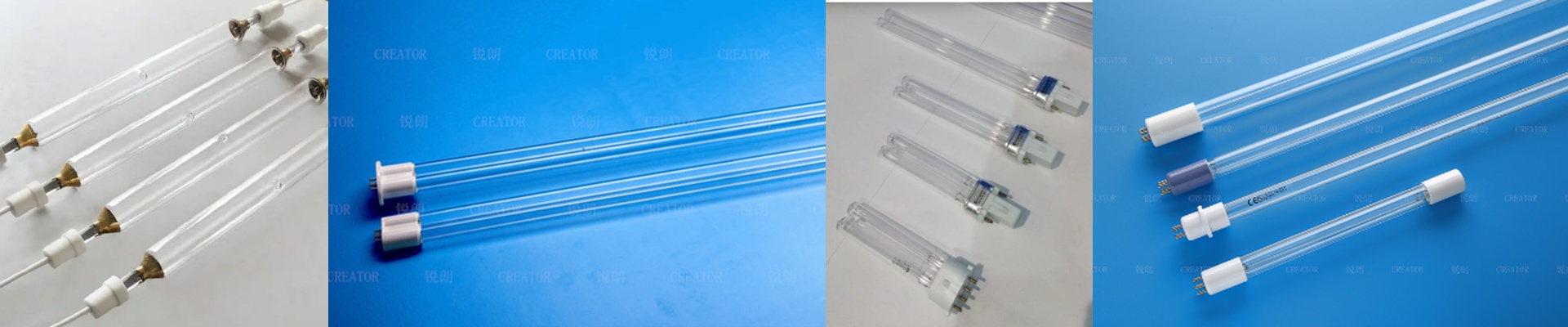
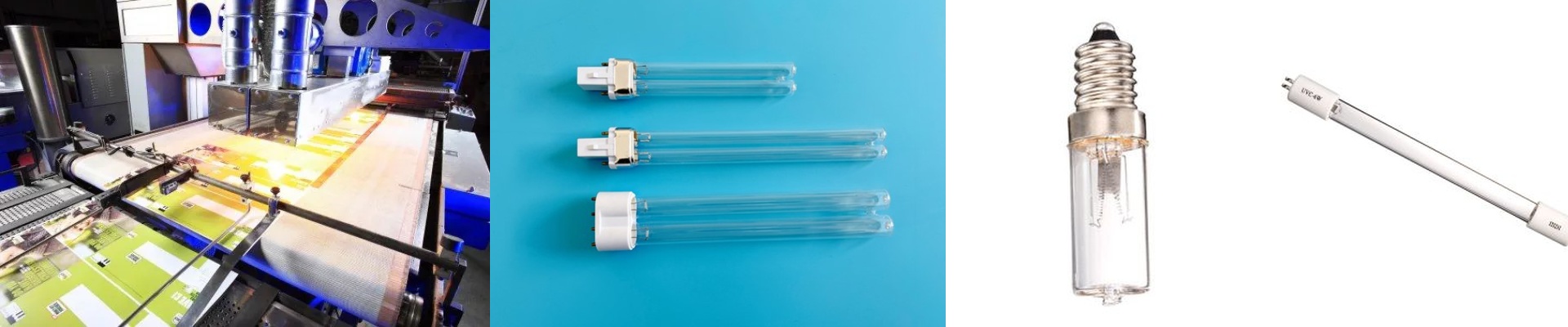
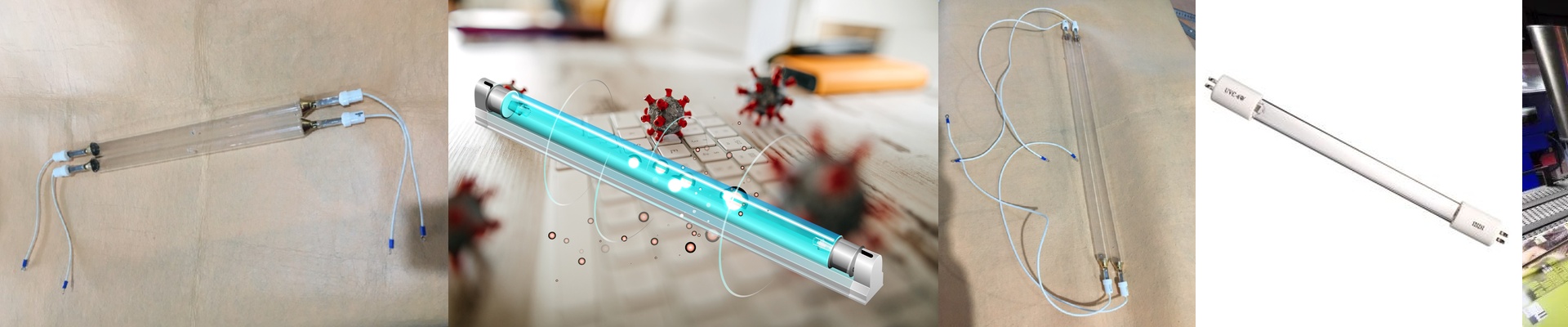
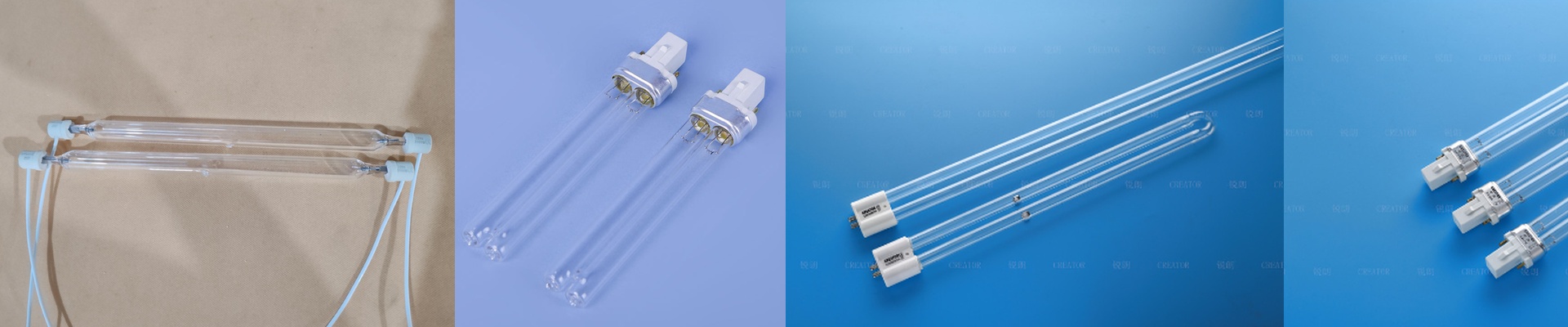
At the 2026 printing show, everyone kept asking me the same thing: “Why does your UV lamp look blue?” Here’s the deal. It’s all about the physics behind the light. We use low-pressure mercury vapor lamps, and their main output is a wavelength at 254nm—which, by the way, our eyes can’t even see. But the glass and the phosphor coatings on the lamp do something cool. They fluoresce, and that’s what gives off that visible blue glow. So that blue light? It’s not a flaw. It’s just a byproduct that tells you, “Hey, I’m on, and I’m doing the hard work of sterilizing and curing.”
Built for the Grind, Not the Lab Bench
These UV modules weren’t designed for a quiet lab. They were built for the chaos of an industrial printing line. We dialed in the power density to keep up with high-speed curing. And because factory floors are messy, we had to build for voltage fluctuations. The lamp runs at a high voltage to keep the mercury vapor ionized and that plasma arc stable. So even when the power on the line dips and spikes, the output stays consistent. And the size? It’s intentionally compact. It slides right into tight spots on a printing press without forcing you to tear the whole machine apart.
The Good Stuff Under the Hood
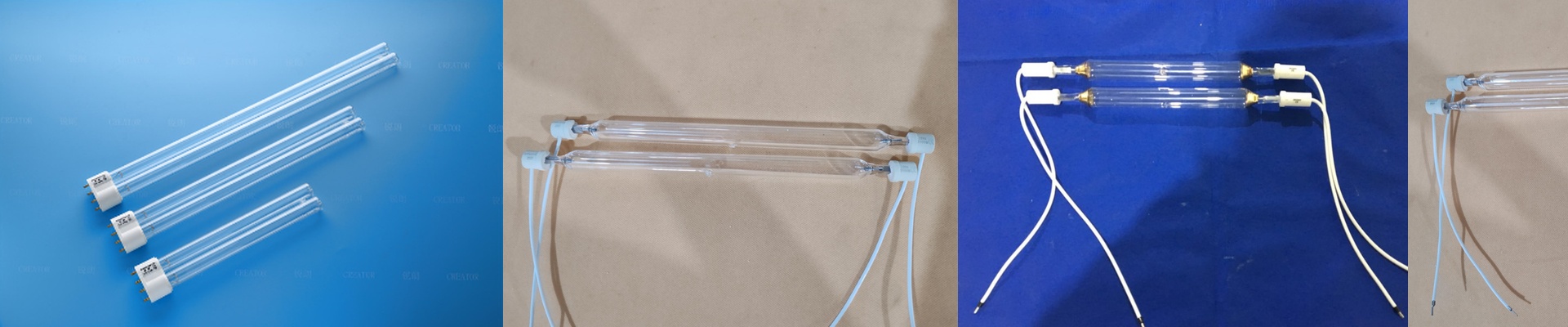
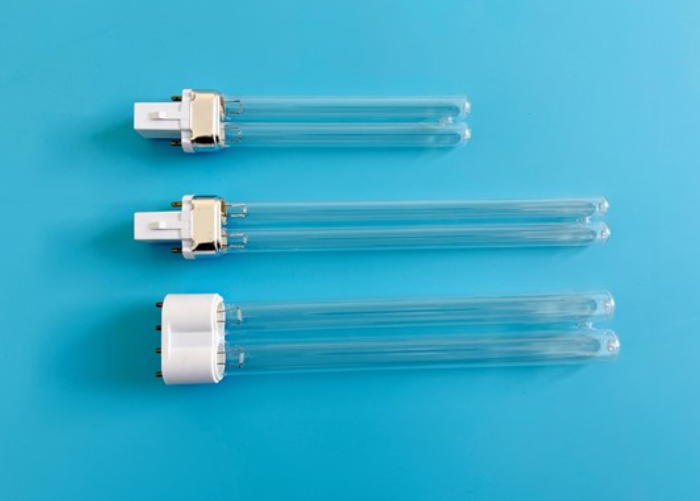
The heart of the module is a quartz tube. It’s the perfect choice because it handles the heat and lets the UV light through like a champ. Inside, the mercury and electrodes are built to last. But the real star, honestly, is the R7s connector. This double-ended base gives you a rock-solid, high-current connection that can handle the constant on-off cycling of printing. It locks in tight, so you never have to worry about arcing or the lamp shifting out of place. Plus, the special coating on the glass is smart. It blocks the wavelengths that create ozone while letting the good, germicidal stuff do its job.
This Is a Tool for the Real World
In printing, this module is a straight-up drop-in replacement for those old, tired UV units. It cures inks and coatings fast, which keeps your production line moving. But let’s be real. With that kind of power comes heat. The high power density creates a lot of it, so your cooling system has to be up to the task. We’ve seen these units run for 8,000+ hours on a single line, but only when the airflow is managed. This isn’t some delicate showpiece. It’s a working tool, built for the shop floor. It’s meant to get the job done, day in and day out.