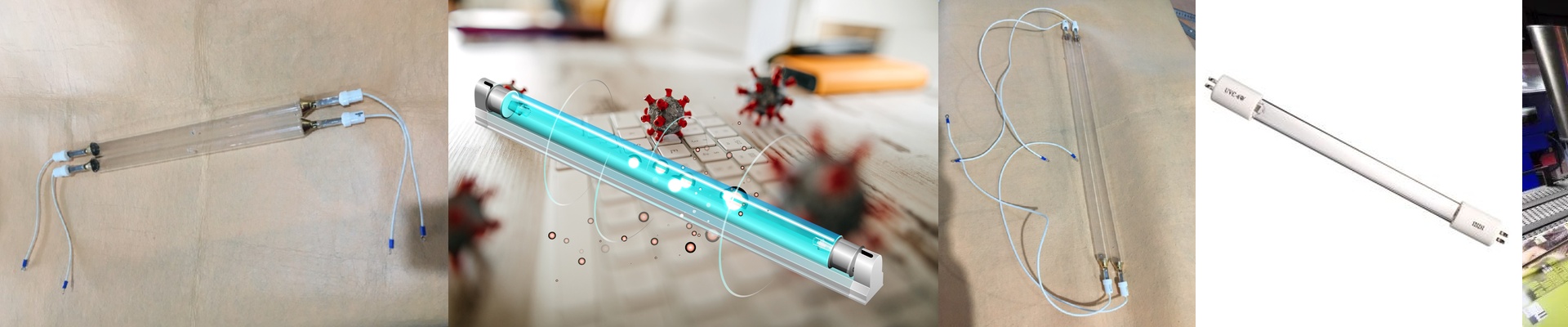
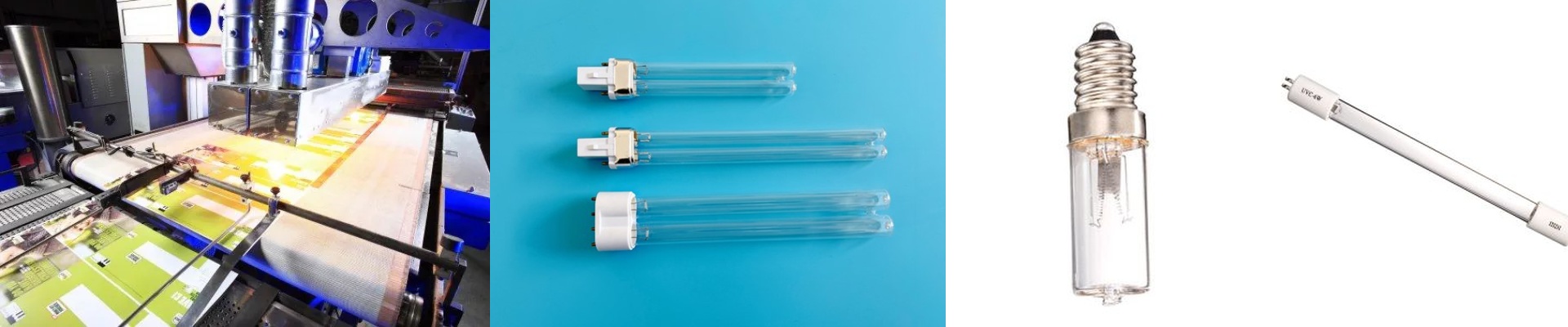
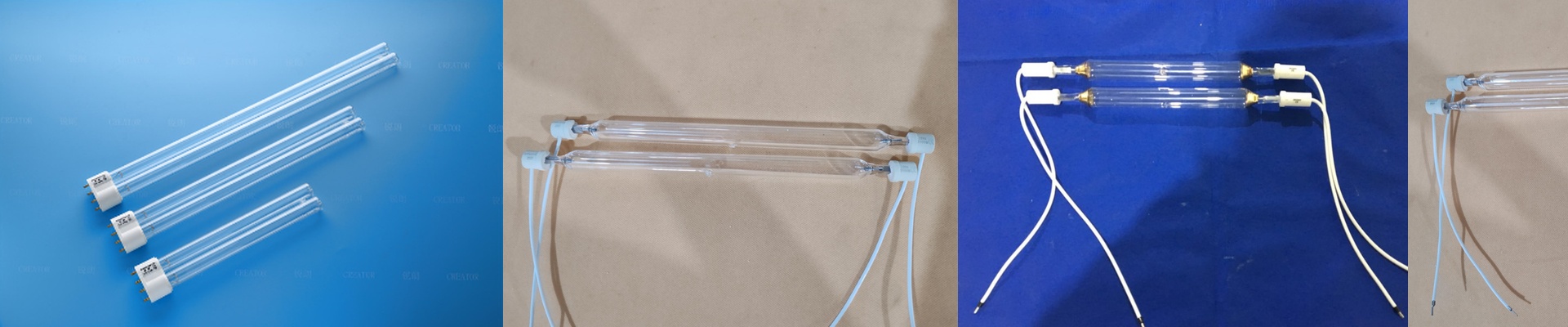
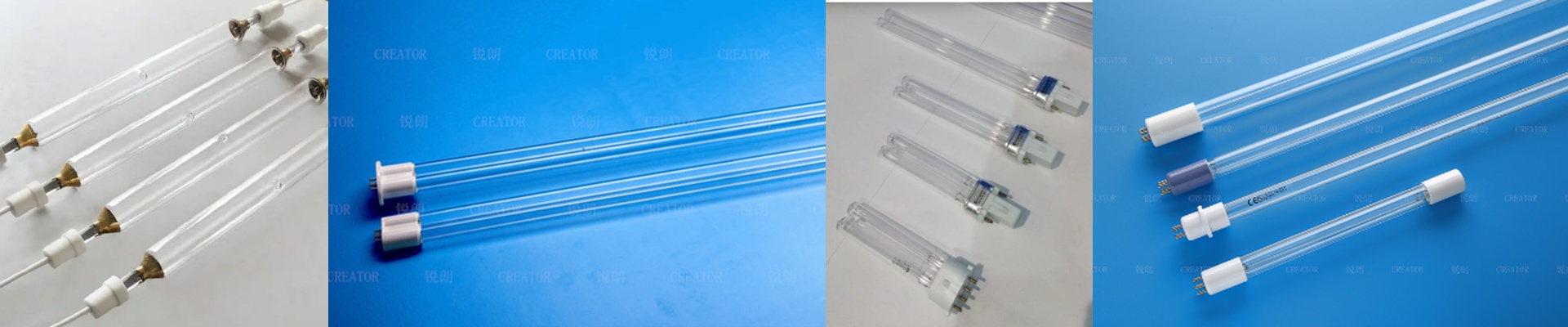
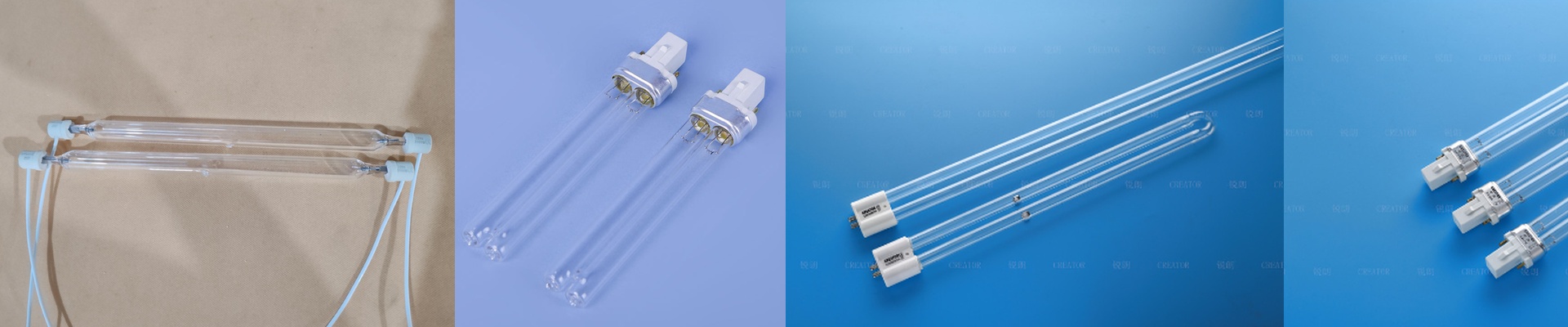
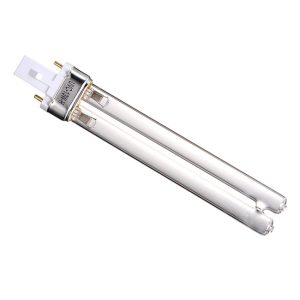
On the press floor, downtime isn’t measured in minutes—it’s measured in missed sheets. Upgrading an Anatol flash-cure system to a modern UV lamp used to mean a rewire and a pile of downtime. We built a direct-fit UV lamp that sidesteps all that. Same form, same fit, same electrical interface. No tear-out, no rework. What matters under the hood We tuned the spectral output to hold steady at 365nm, which lines up cleanly with the photoinitiators you’re running and the cross-linking chemistry in the ink. Peak irradiance stays within ±3% across the arc length, and the reflector’s dichroic coating cuts IR heat while it pushes the usable UV where it needs to be. You can count on 2,000+ hours at full power with less than 5% output drop, and consistent energy density across the substrate. The envelope is ozone-free quartz, and we kept a standard lamp base sized to the Anatol socket envelope. Why this lands on an Anatol You keep the existing circuitry and safety interlocks, so the install is a straight lamp swap—no rewiring. That means higher throughput without changing the press footprint, and repeatable cure on thin films and rigid substrates alike. Run at the right arc power, and you cut energy draw. Fewer lamp changes also mean less spare inventory and less labor. The upgrade keeps the Anatol system’s control logic intact while delivering modern UV performance. A few shop-floor checks Before ordering, confirm the exact lamp length, base type, and reflector geometry against your Anatol model. Check that the shutter cycle count and shutter speed sit within the lamp’s rated ignition tolerance—rapid-fire starts can hurt arc stability over time. Make sure the power supply’s open-circuit voltage matches the lamp’s ignition requirement. And keep the quartz envelope clean. That’s how you hold the spectral output and keep peak irradiance consistent.