Walk the line from screen printing through fabric finishing, and the pressure never lets up. Cycle times keep shrinking, ink layers keep building, and one bottleneck can shut the whole line down. More often than not, the hidden problem is the UV system. When the lamp can’t hold consistent spectral output at line speed, you get incomplete cross-linking, adhesion failures, and a pile of rework.
What actually matters, technically
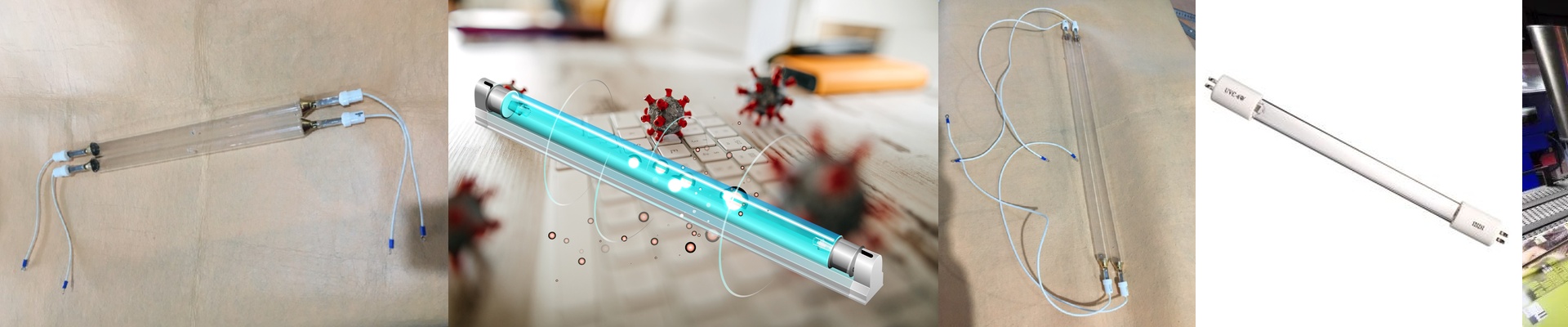
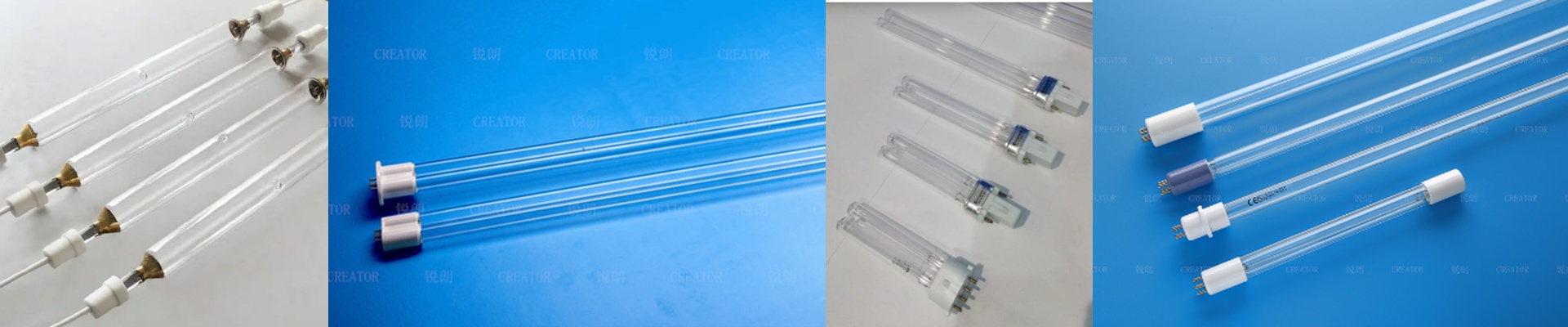
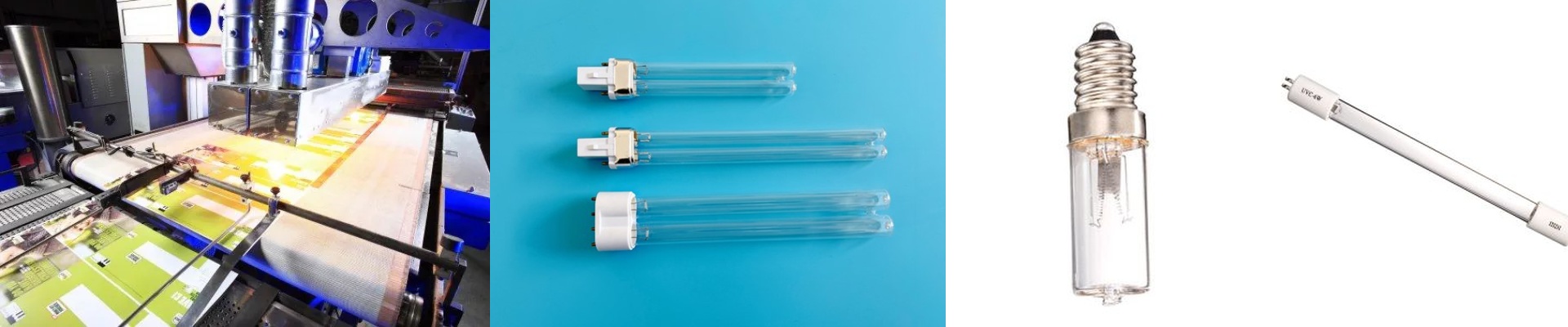
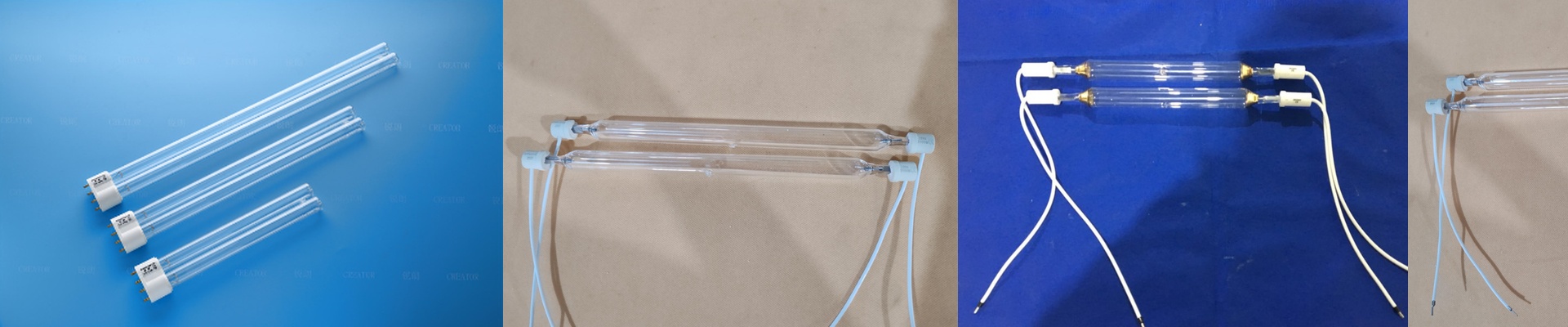
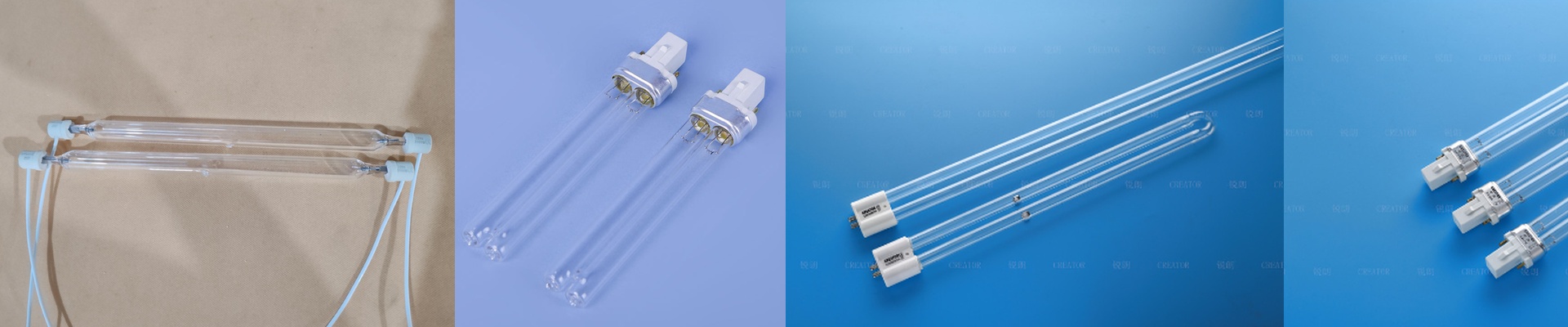
The gallium iodide 5kW 400V UV lamp isn’t a decorative light—it’s built for industrial curing, period. Its spectral output is tuned to the photoinitiator absorption window, hitting strong peak irradiance in the 380–420nm range. That wavelength profile helps the energy penetrate pigmented inks and thick coatings, so polymerization finishes through the full film thickness. The 5kW at 400V delivers the energy density you need for high-speed lines, where dwell is measured in fractions of a second. Paired with the reflector and dichroic coating, the system maximizes delivered UV dose so the reaction completes in a single pass.
Why this fits textile work
On the textile side, this lamp keeps showing up for the same reasons. It cures screen-printed inks on rolls, locks digital inks on coated fabrics, and finishes functional coatings that need to cure without heat migration. Gallium iodide chemistry cuts the ozone signature compared with conventional mercury vapor lamps, which makes ventilation simpler and keeps the workspace cleaner. And because it cures instantly, the ink sets as the substrate exits the lamp zone—so you can stack, fold, or laminate right away. The payoff: faster changeovers, fewer rejects from tacky surfaces, and adhesion that stays stable on synthetic fibers that distort under heat.
The practical details you can’t skip
Installation is straightforward, but the lamp needs matched electrical and mechanical interfaces. Before you swap, confirm reflector geometry, anode/cathode orientation, and ignition ballast compatibility. Run the lamp within its specified warm-up and operating temperature window—undercooling drops output, and overcooling shortens electrode life. Output decays over time, so put radiometer checks on the schedule and keep a replacement plan. That’s how you hold a consistent curing dose shift after shift.