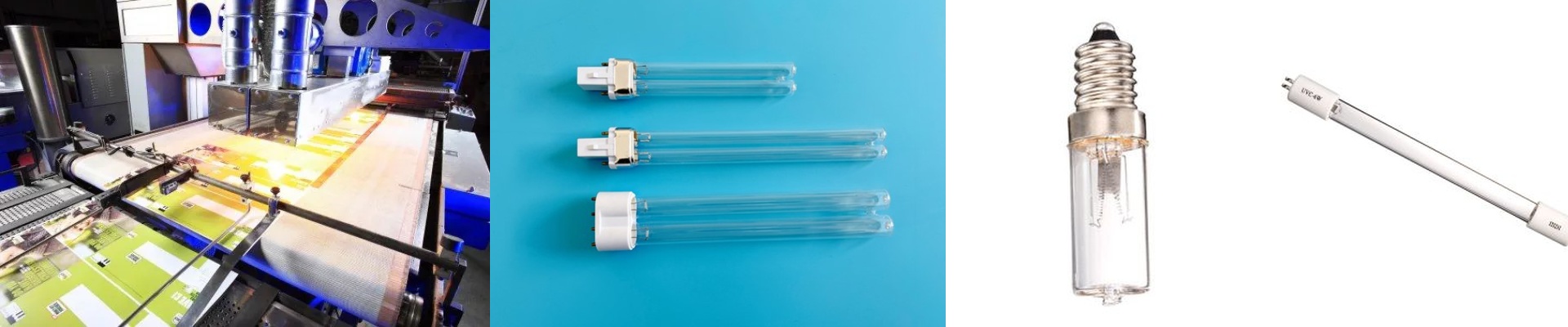
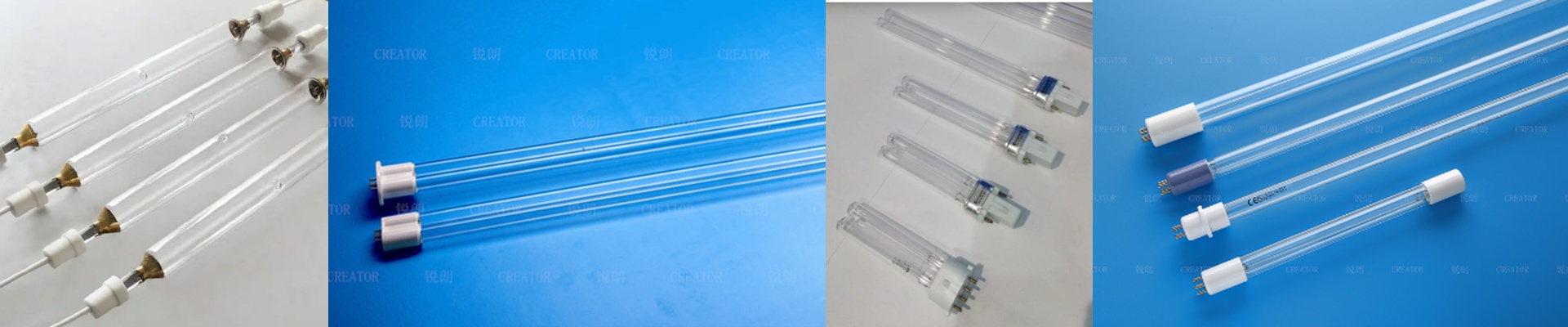
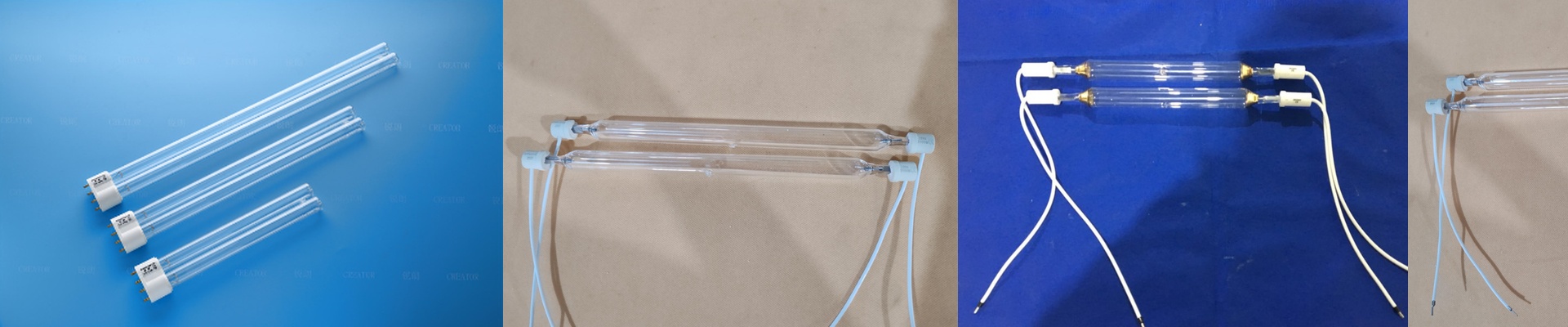
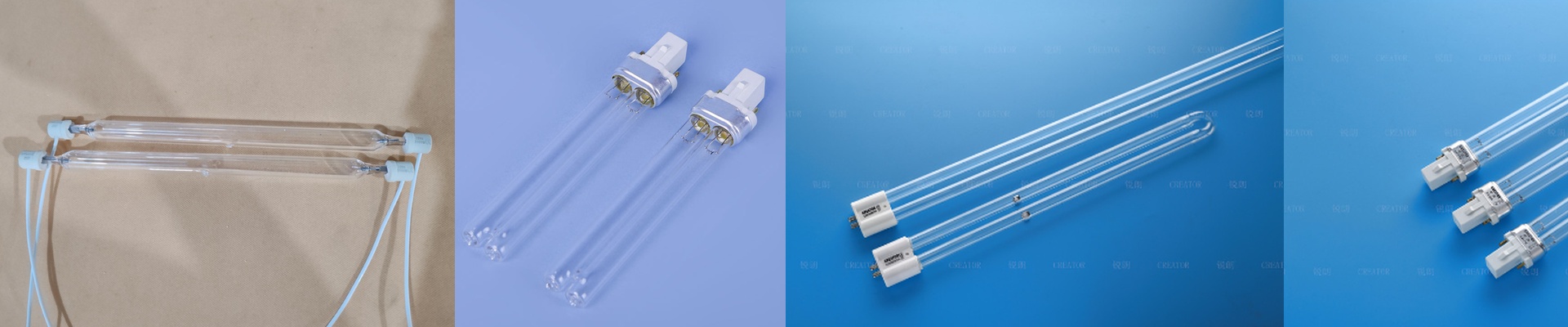
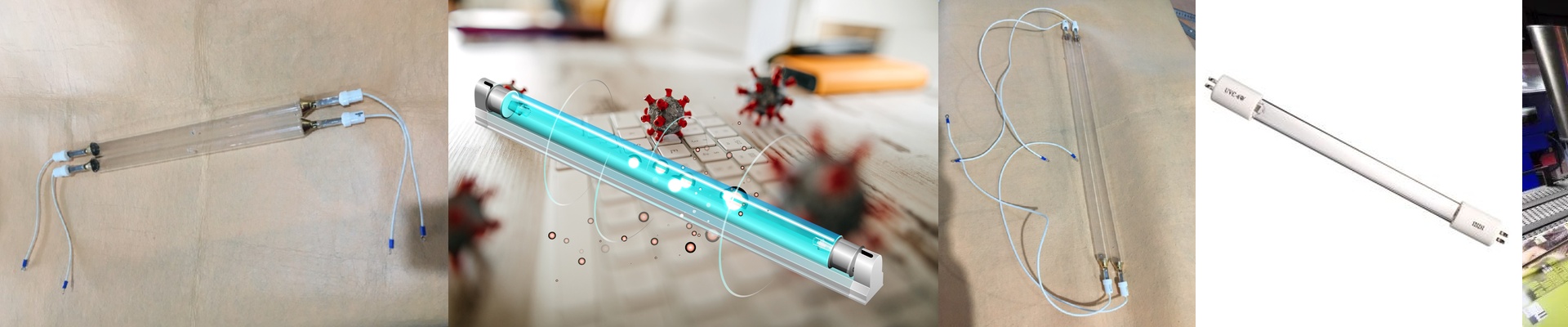
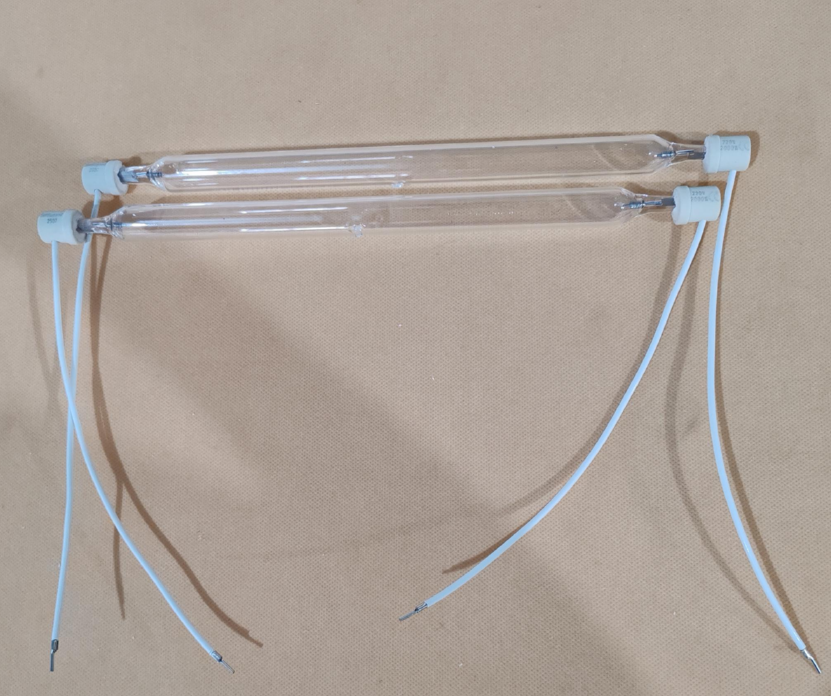
On a press line running heat-sensitive fabrics, there’s one variable that makes or breaks yield: substrate temperature. Conventional UV setups dump surface heat that warps knits, distorts stretch, and yellows synthetics. We built a mercury UV lamp with a reflector assembly that gives a “cold source” profile—high output at 365nm and 385nm, and very little IR. The payoff is curing that doesn’t cook the substrate. The heart of it is spectral output and optical efficiency. The mercury vapor discharge is shaped by a dichroic-coated quartz envelope and a high-reflectance elliptical reflector. That gives you peak irradiance above 12 W/cm² at the focal line while keeping infrared transmission in check. It hits the photoinitiators in UV inks and coatings directly, so cross-linking is instant and penetrates deeper into the ink layer. In practice, you get a full cure at line speeds that keep fabric dimensions stable—no scorching, no shrinkage. For heat-sensitive textile printing, this removes the old speed-versus-quality compromise. You can run synthetics, elastomers, and coated fabrics without adding chill rolls or throttling the line. Energy use drops because the lamp cures on-demand, and the reflector keeps usable UV flux high. We’ve seen units run beyond 5,000 hours with less than 5% output degradation, backed by spectral radiometer traceability. Installation is straightforward on standard UV offset, screen, and flexo retrofits, but alignment is tight. The reflector focal distance has to match the substrate path within ±2 mm—otherwise peak irradiance drifts and cure uniformity goes sideways. Make sure your PLC ignition sequence supports high-voltage pulse starting, and verify your ink is tuned to the 365–385 nm band if you want the fastest throughput.