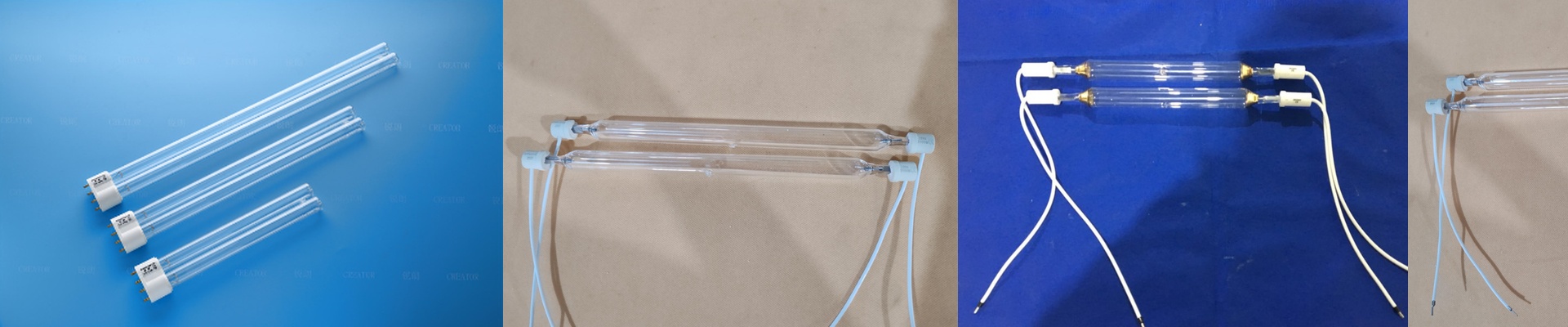
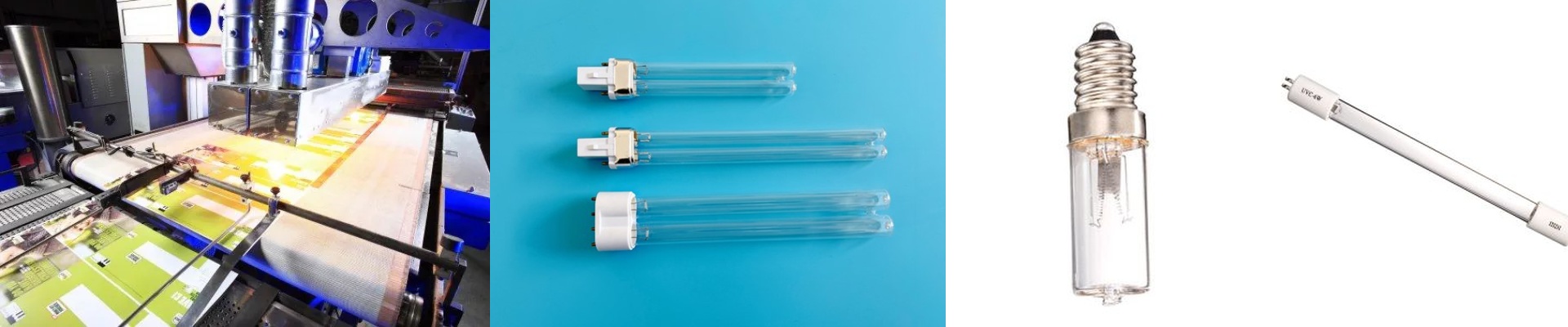
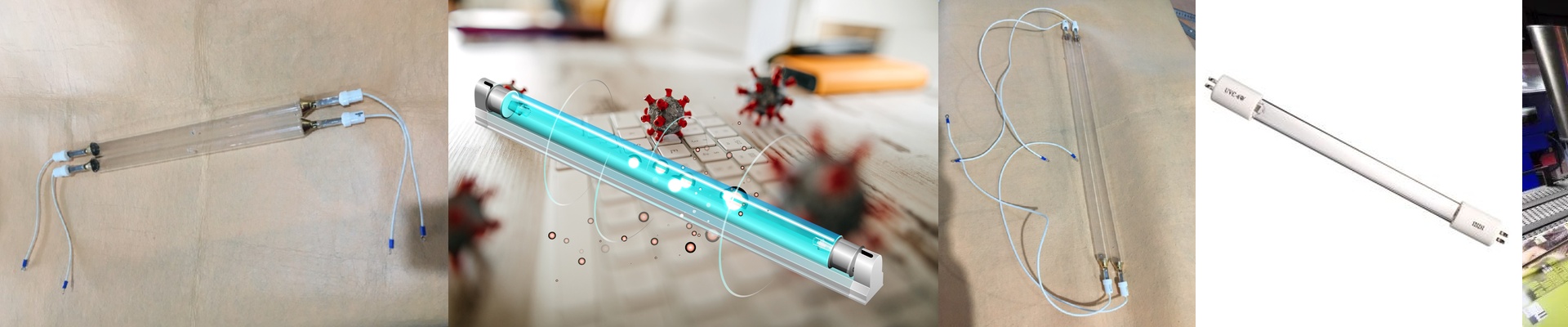
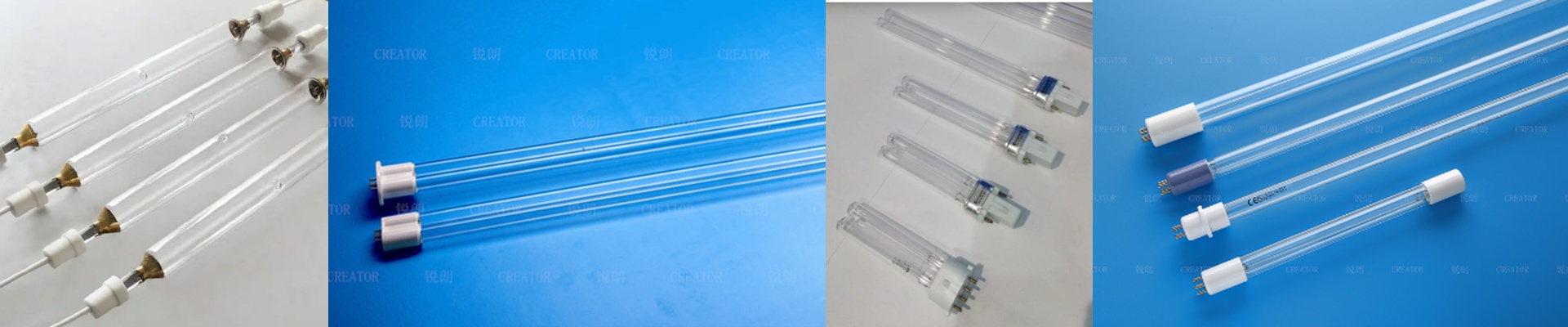
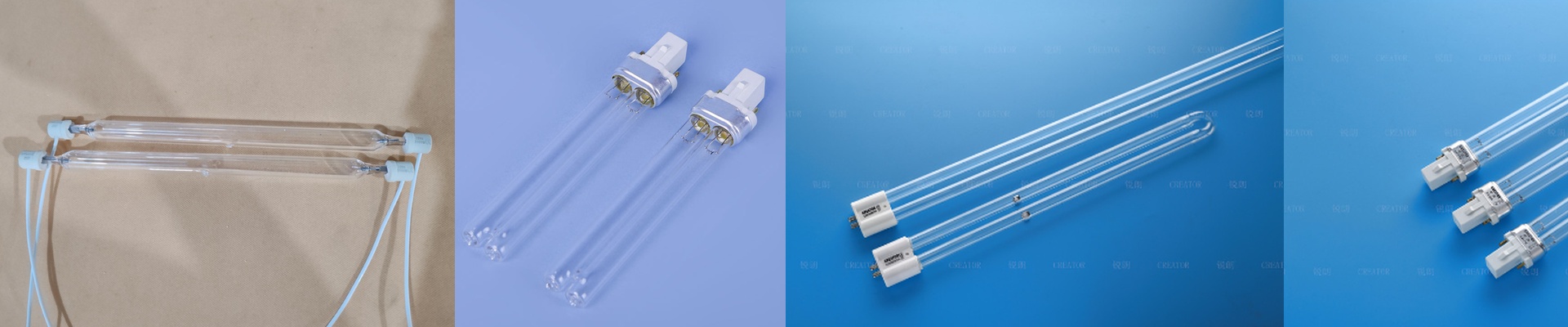
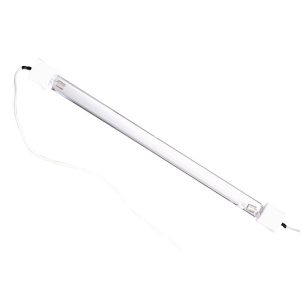
On an MHM press that runs 24/7, a tired lamp doesn’t just cost you time. It shows up as tacky ink, pinholes, and a stack of reprints. We built the Laguna UV lamp replacement to deliver output that meets or exceeds OEM levels—without blowing up the P&L. What matters under the hood We engineer these lamps around a stable mercury vapor discharge and a dichroic-coated reflector tuned for 365nm and broad-spectrum output. That gives you high peak irradiance at the arc, deep spectral penetration into the ink layer, and energy density that stays consistent across the full cure zone. The payoff is instant cross-linking: the surface sets dry while the underlying layer fully polymerizes. You get repeatable curing at press speeds, and the mJ/cm² holds within tolerance over thousands of hours. MHM machines demand stable lamp performance and a repeatable cure window. Our replacement matches the connector, geometry, and focal distance, and it delivers the spectral profile that activates photoinitiators more efficiently. So what does that mean on the floor? Faster cycle times without cranking up lamp power, lower energy draw per job, and fewer adhesion or cure-quality headaches on tough substrates. In practice, that’s less waste, fewer stops for quality checks, and lamp life that makes maintenance predictable. Installation and setup Installation is straightforward, but alignment is where the details live. The reflector has to be seated to spec—even a small offset shifts peak irradiance and can give you uneven cure. Make sure your power supply matches the lamp’s rated voltage and ignition requirements, and set your dose targets based on the ink’s photoinitiator absorption curve. For high-speed work, double-check that your cooling airflow matches the lamp’s thermal envelope. If it doesn’t, you’re asking for premature aging.