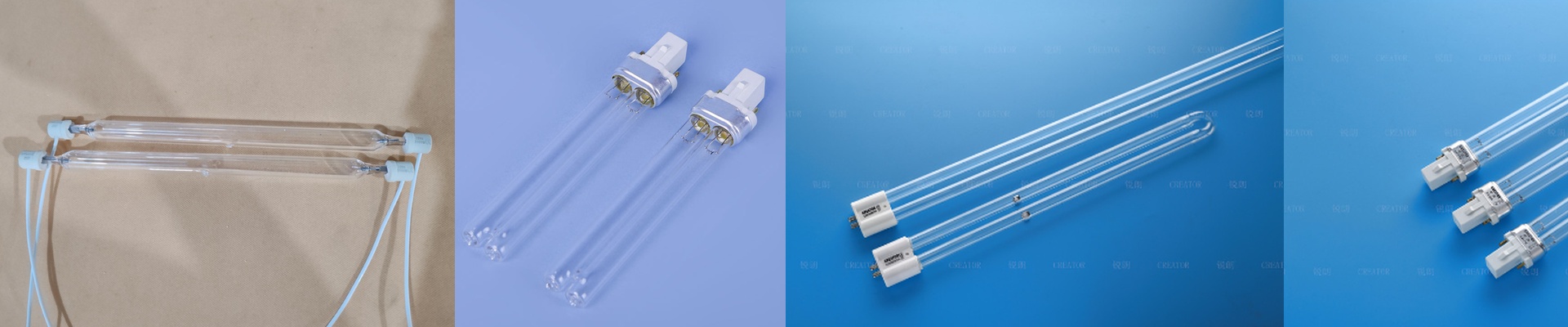
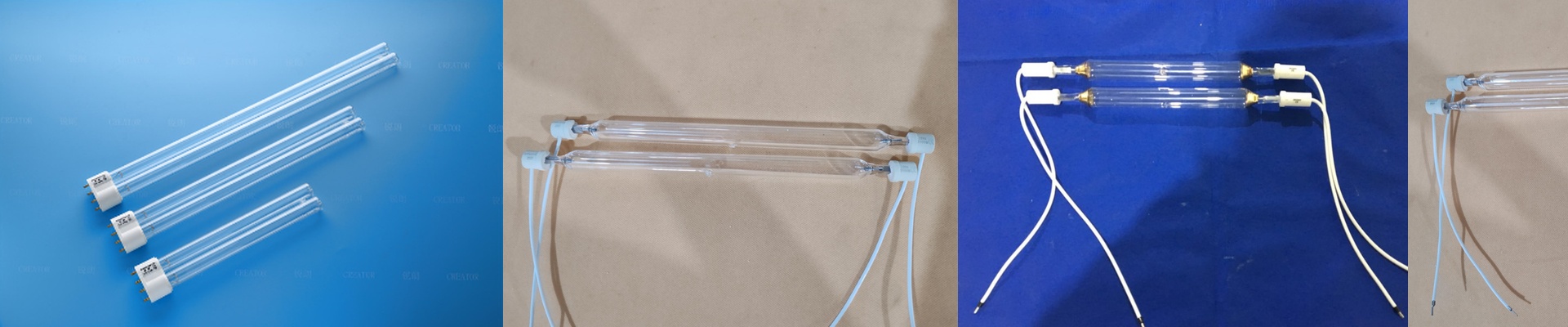
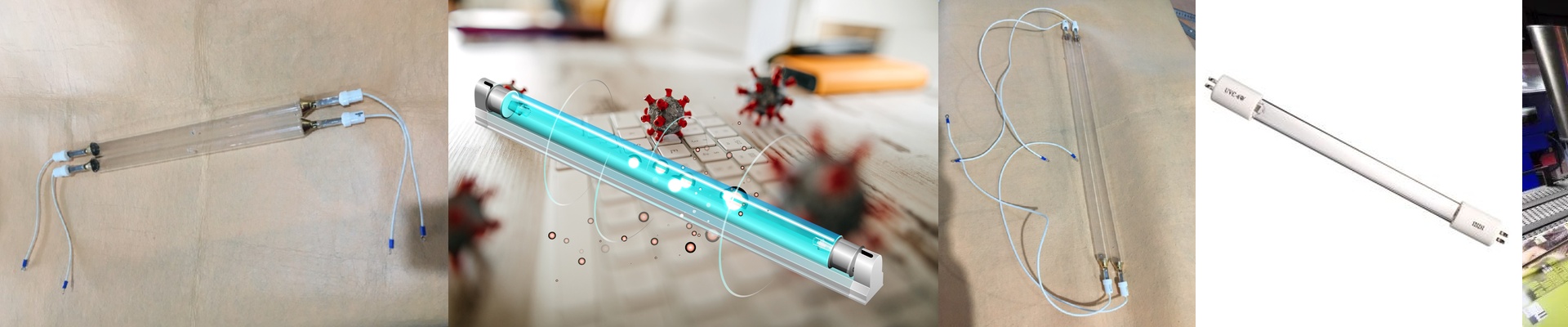
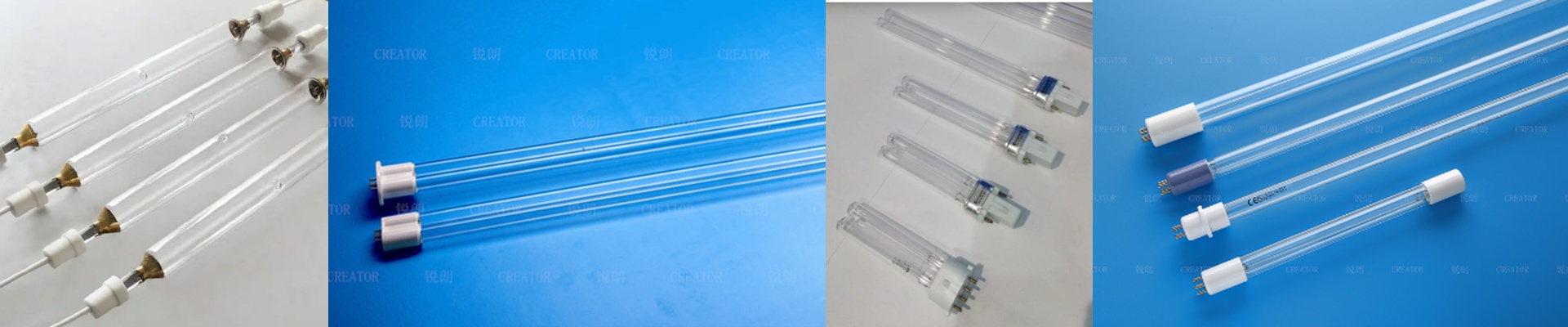
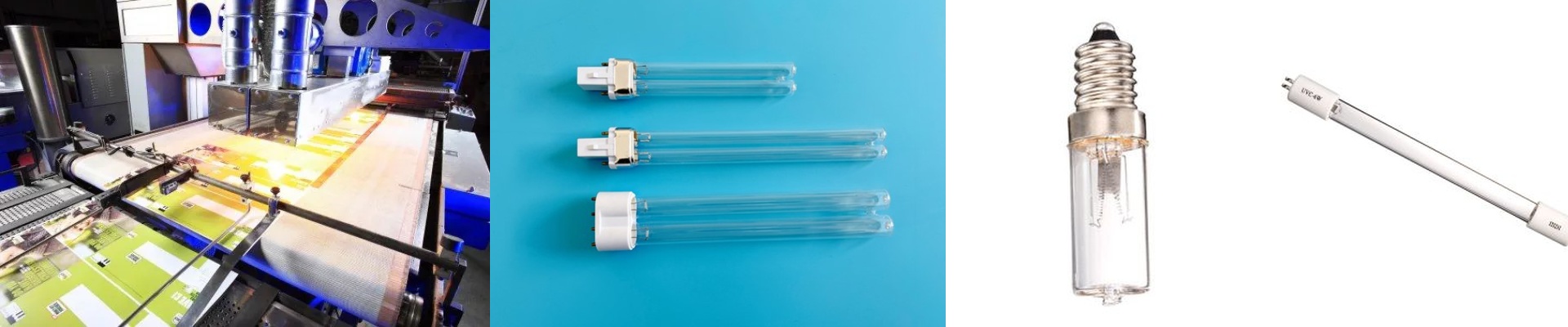
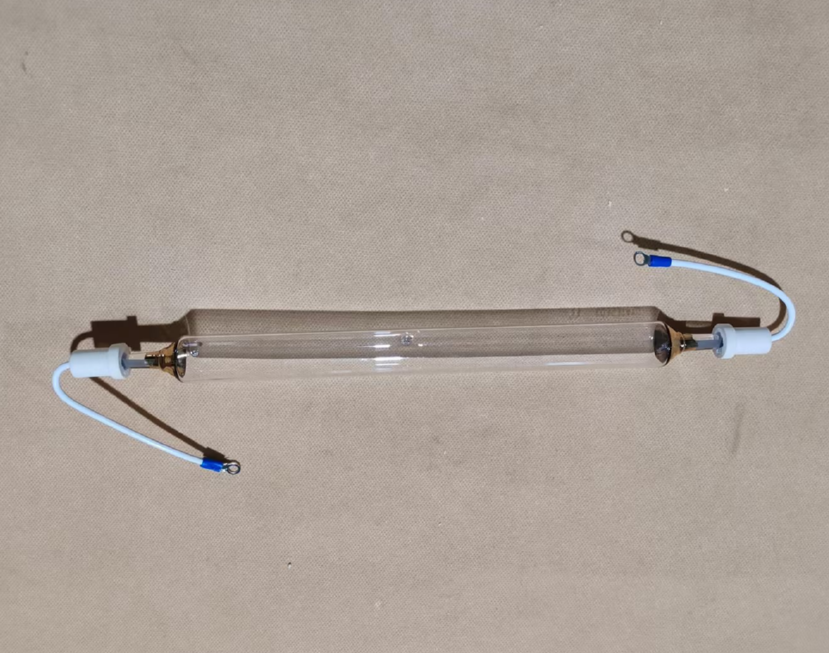
Cross-border logistics will expose weak packaging fast. One uncured ink line, a tacky overcoat—suddenly you’re staring at scuffing, transfer, and shipments getting kicked back. We build our mercury UV lamps to take that risk off the table, so the plastic bottle packaging coming off your line can make the trip without damage. What matters, technically Our mercury vapor lamps put out a stable spectrum centered on 365nm, plus broadband UV-A, which lines up with how the photoinitiators in offset, flexo, and screen inks absorb. Peak irradiance tops 12 W/cm² at the arc length, and that gets you curing energy densities above 800 mJ/cm² on typical bottle surfaces. High-purity quartz envelopes keep output consistent, while dichroic reflectors shape the beam and keep substrate heat in check. We size arc lengths and spec connectors to drop into standard UV curing stations, and the ozone-free options keep the area safe. Why it works on plastic bottles Plastic bottles—especially PET—don’t like heat, and they’re picky about UV dose. Under-cured ink stays soft and rubs off. Over-curing warps the bottle and wastes power. Our lamps give you repeatable dose control, so you hit the exact cross-linking each layer needs—print, primer, varnish—without thermal shock. The finish comes out tough and scratch-resistant, surviving vibration, compression, and temperature swings in transit, with fewer rejects and print quality that holds across shifts. Here are the practical details Match the lamp to the process. Offset usually needs higher peak irradiance for thicker ink films, while flexo and screen do better with a uniform, broad spectral output to cure pigmented layers cleanly. Make sure your reflector geometry and shutter cycle are aligned; mismatched optics will drop efficiency and shorten lamp life. Expect lamp output to drift down over time—plan replacements around 1,000 to 2,000 hours to keep dose stable. And confirm your power supply matches the lamp’s ignition requirements; voltage drift will chew up electrode life and shift the spectral balance.