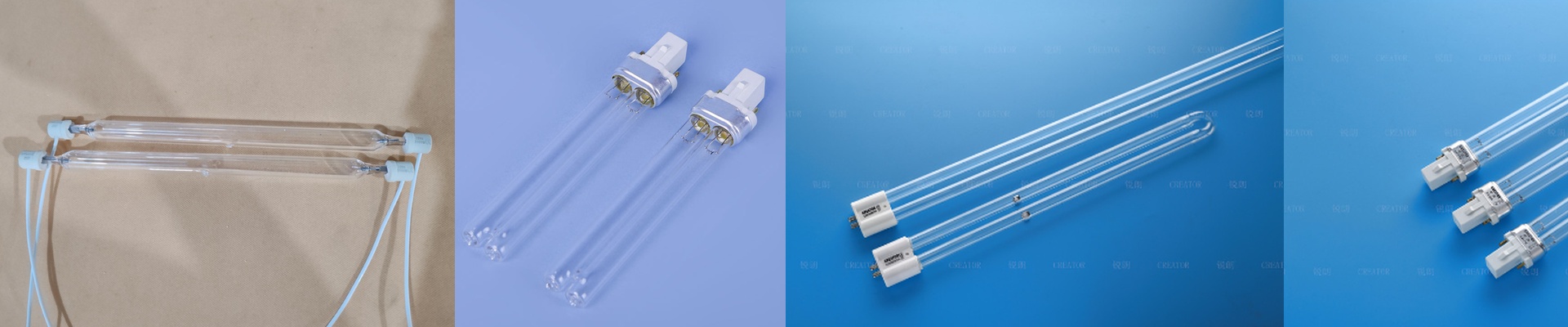
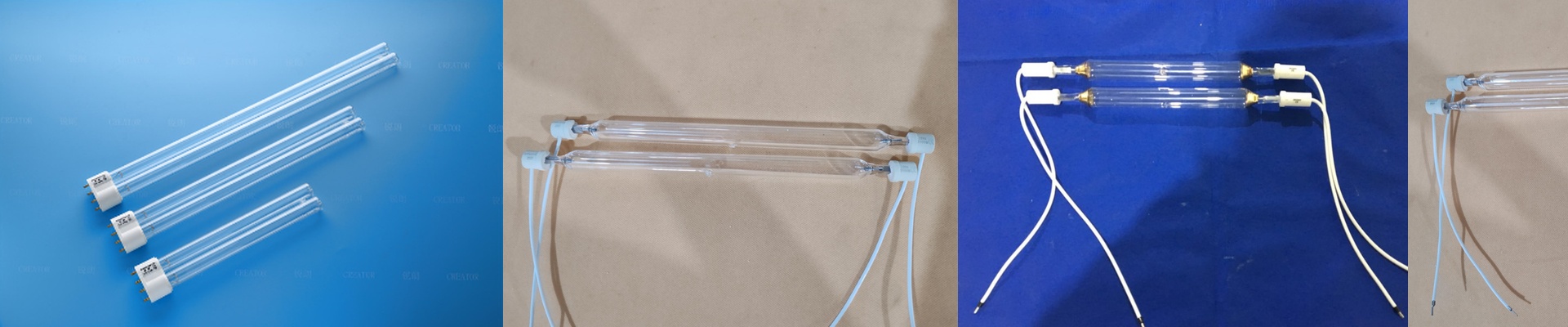
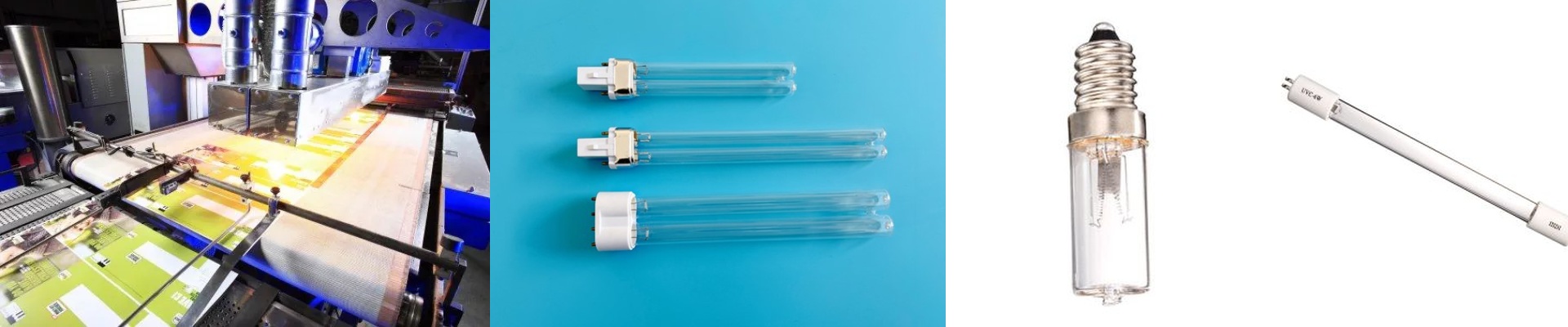
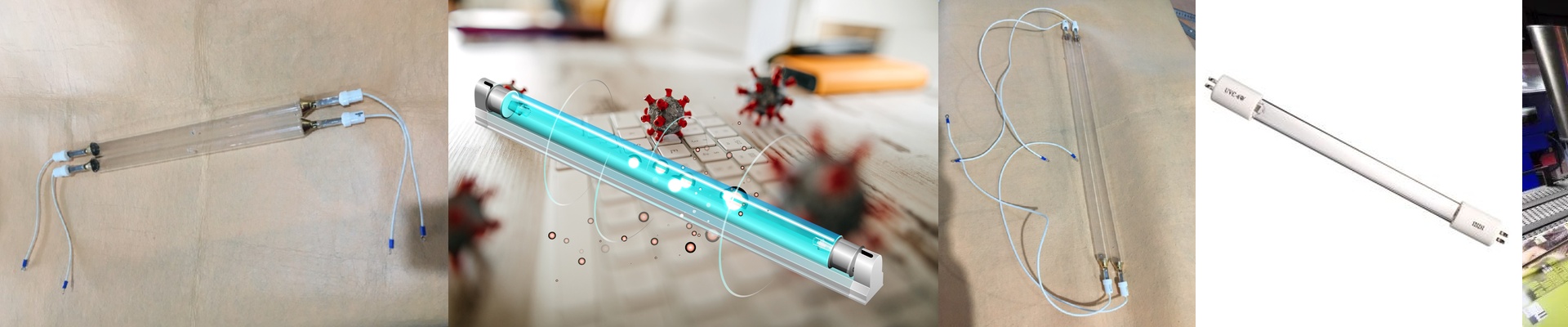
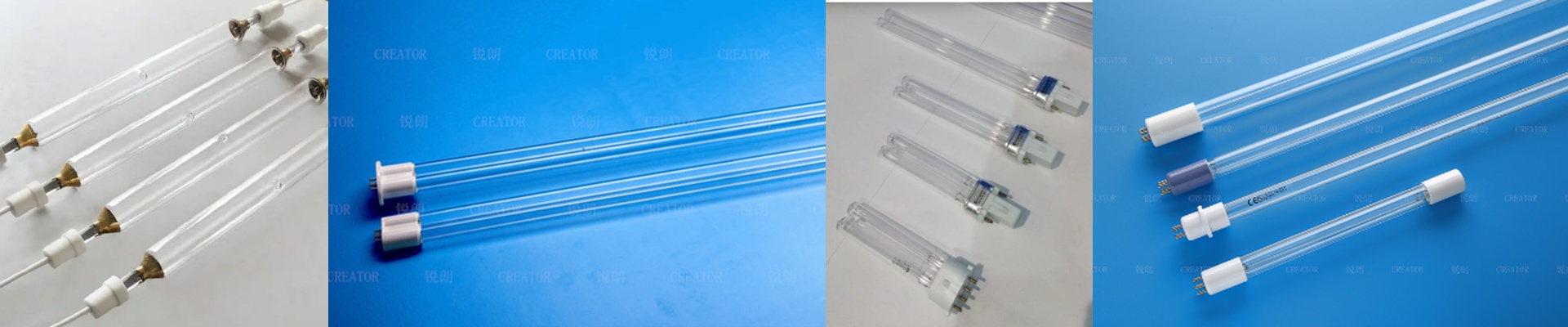
On the press floor, a Heraeus UV system has one job: deliver repeatable curing, shift after shift. When the lamp’s spectral output drifts or the arc stability drops, you know it instantly—uncured ink on the substrate, adhesion failures, and stock that ends up in the scrap bin. Our replacement UV lamps for Heraeus are built to bring the spectral profile back to spec, so the curing window stays where it should.
Technical parameters: power, spectrum, and curing efficiency
These lamps are mercury vapor arcs in a quartz envelope, matched to the reflector geometry and dichroic coatings you find in Heraeus modules. Peak wattage alone doesn’t win the race—what matters is spectral match to the ink’s photoinitiator absorption. You’ll see strong output around 365 nm for standard UV inks, with additional lines at 313 nm and 405 nm depending on the formulation. Stable arc length and consistent electrode temperature keep delivered energy density (mJ/cm²) and peak irradiance on target, so cross-linking finishes inside the designed dwell window. Specify voltage and connector to match the original fixture; that keeps lamp-to-reflector alignment exactly where it needs to be.
Why it fits the printing consumables opportunity
For anyone running UV offset, flexo, or screen, uptime is the currency. A lamp that holds spectral output and comes up fast cuts warm-up variability and keeps the press moving. The payoff is fewer stops for lamp changes, less scrap, and energy consumption per impression that behaves predictably. As a distributor, you’re not just selling a bulb. You’re supplying a consumable that directly protects throughput and print quality.
Installation and compatibility notes
Installation is straightforward, but the details bite if you ignore them. Confirm lamp length, arc gap, and terminal orientation against the specific Heraeus module. Always check reflector condition before replacement. A tired reflector will skew irradiance even with a brand-new lamp. Run within rated power and cooling parameters to preserve quartz integrity and keep output stable across the service life.