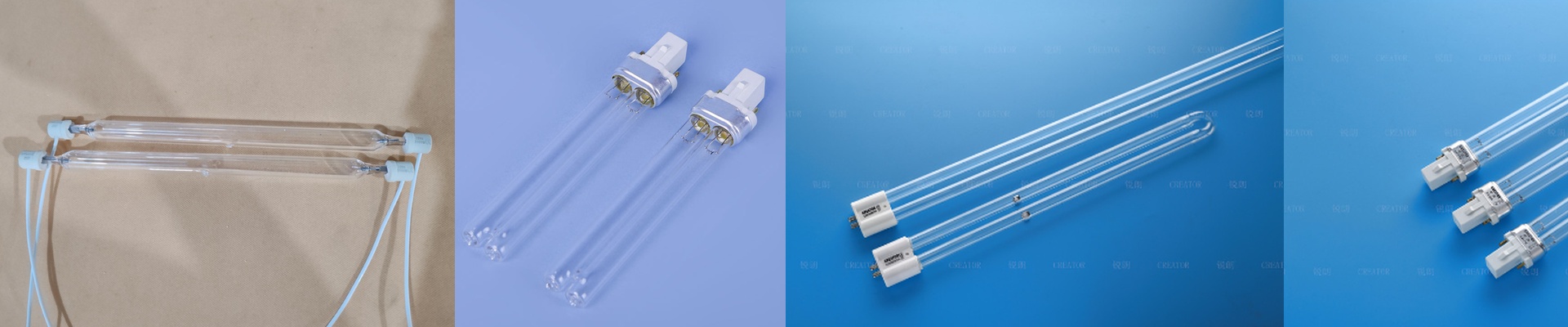
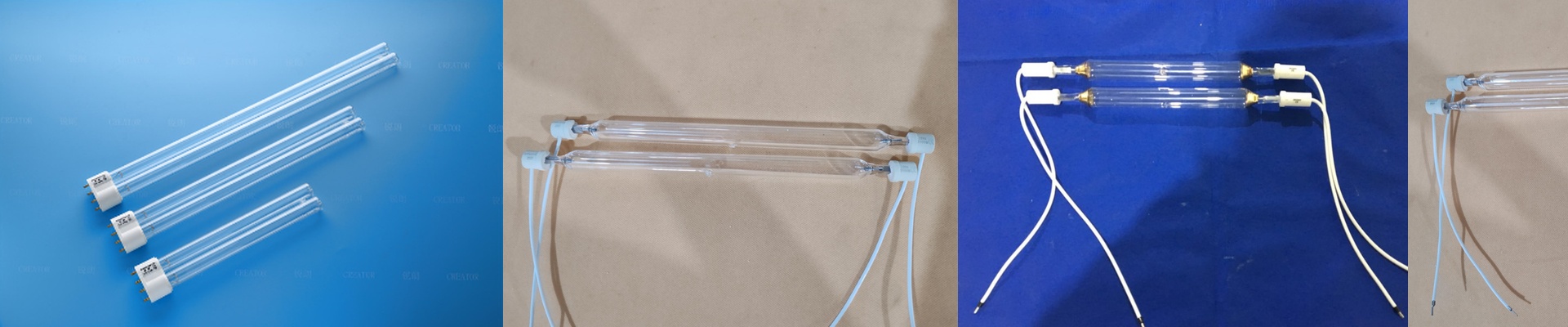
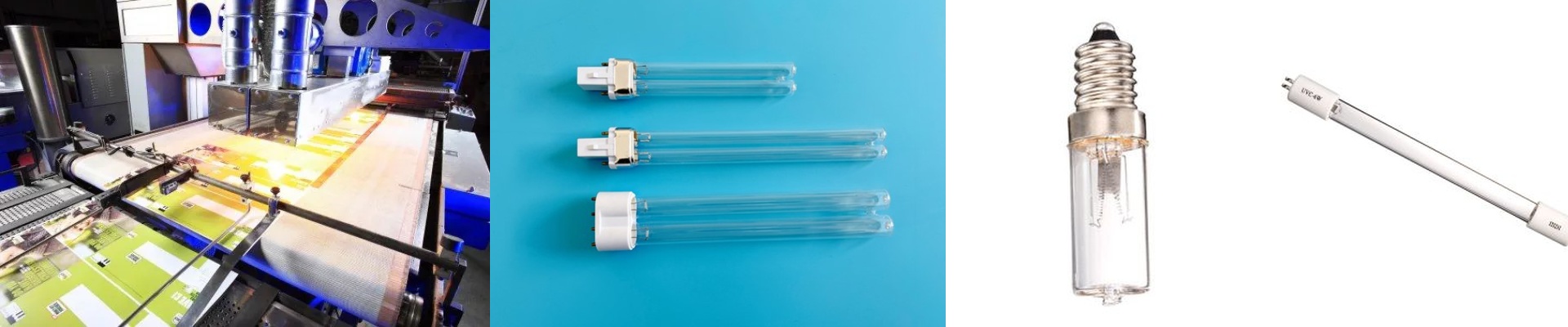
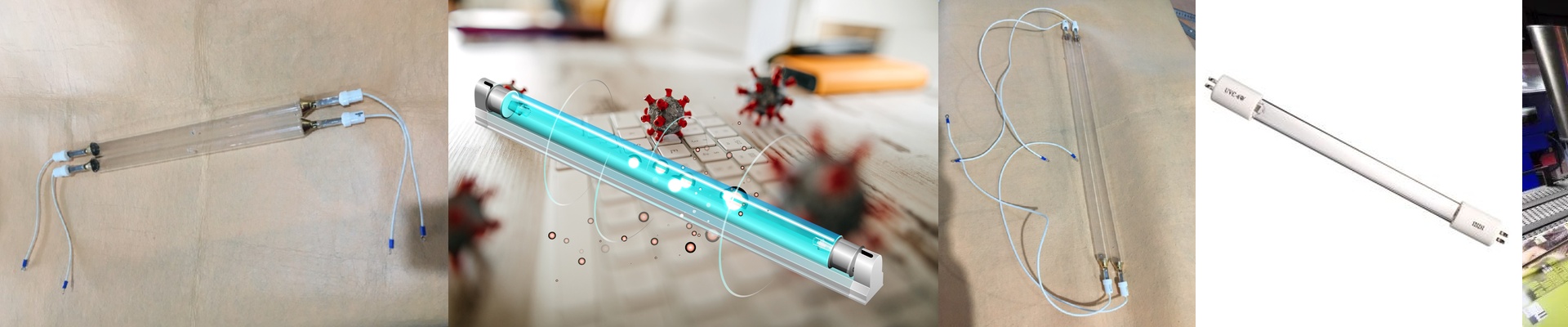
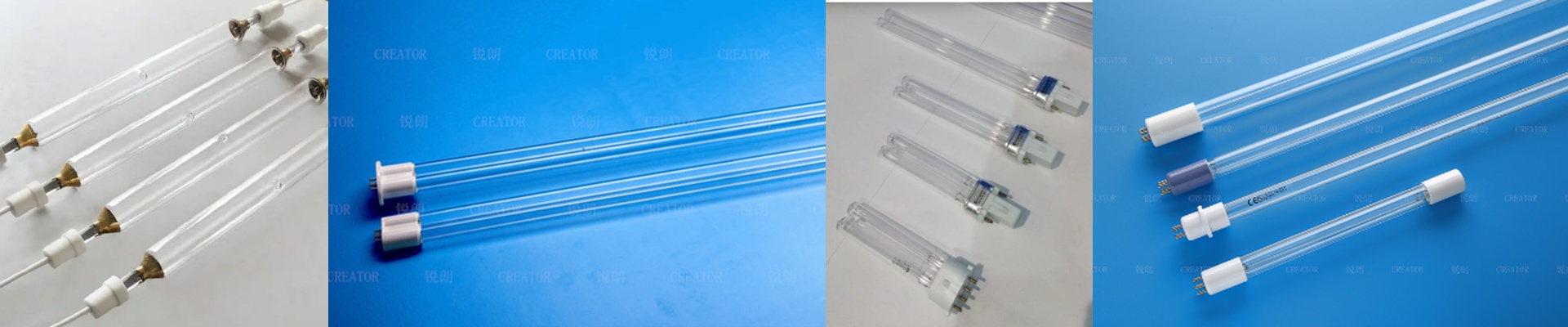
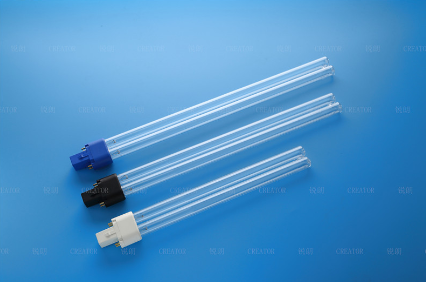
When a spare part from overseas is a month away by air, your press can’t sit idle. We build custom UV curing lamps and ship in 7 days—configured for heat-sensitive substrates, with a catalog of ready-to-go units when you need something fast. What matters under the hood We build around high-pressure mercury vapor lamps, tuned for stable spectral output at 365 nm and 385 nm. Peak irradiance hits 12–15 W/cm² at the arc, and dose lands at 1,200–1,800 mJ/cm² in one pass. That’s true instant curing: the photoinitiators trigger, oligomers cross-link, and the ink film sets fully without dumping heat into the substrate. Reflectors use high-purity anodized aluminum with a dichroic coating, so more UV gets focused into the arc zone and less IR lands on the surface. You get deep penetration through thick ink layers, surface tack eliminated, and adhesion you can confirm with cross-hatch testing. The lamps are ozone-free, so you run without auxiliary extraction and avoid ozone-related aging of polymers. Why this plays on your floor Your job is keeping the press running while protecting heat-sensitive materials—PET, thin foils, pressure-sensitive labels, foam-backed graphics. Our lamps deliver a full cure at line speeds up to 300 m/min, so you don’t have to back off the throttle to keep temperatures in range. Energy use stays low because the system is only on when curing, and lamp life is rated to 1,000–1,500 hours with 80% output retention, which cuts change-outs. And when the schedule is tight, you don’t get stuck in a long-tail lead time—we configure, test, and ship. Here are the details that keep it honest Matching the lamp to your system isn’t optional. Confirm arc length, end-fit, and reflector geometry against your curing module; mismatched reflectors drop irradiance and leave uncured tails. Make sure your power supply can handle the lamp’s operating voltage and ignition pulse. On thin, clear films, keep surface temperatures under 60 °C by controlling IR and adjusting standoff—otherwise you’ll see curl and web drift. Plan for a 3–5 minute warm-up to reach stable spectral output, and schedule your job change around that.