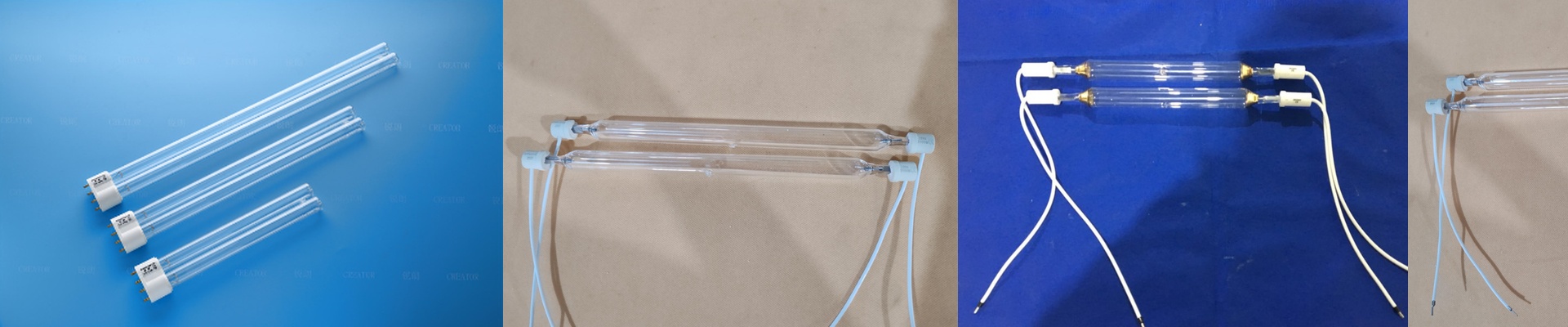
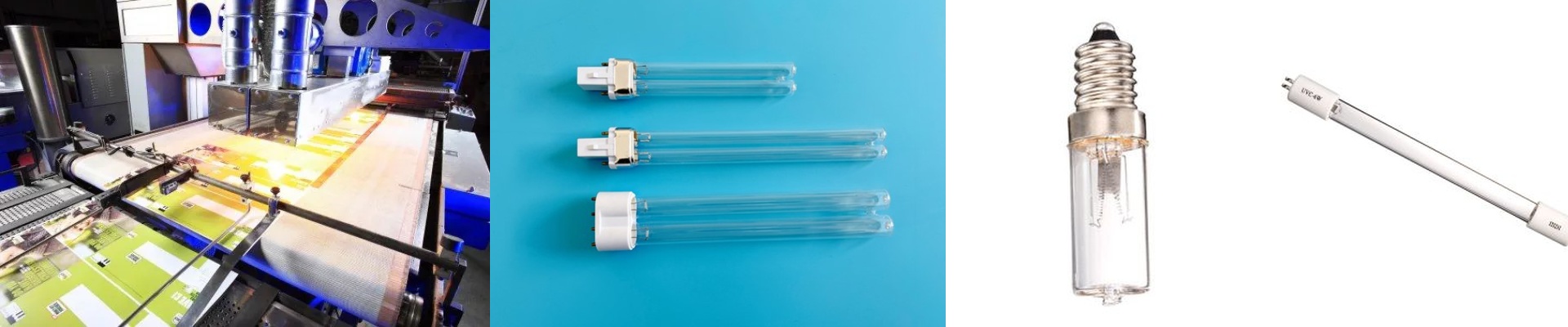
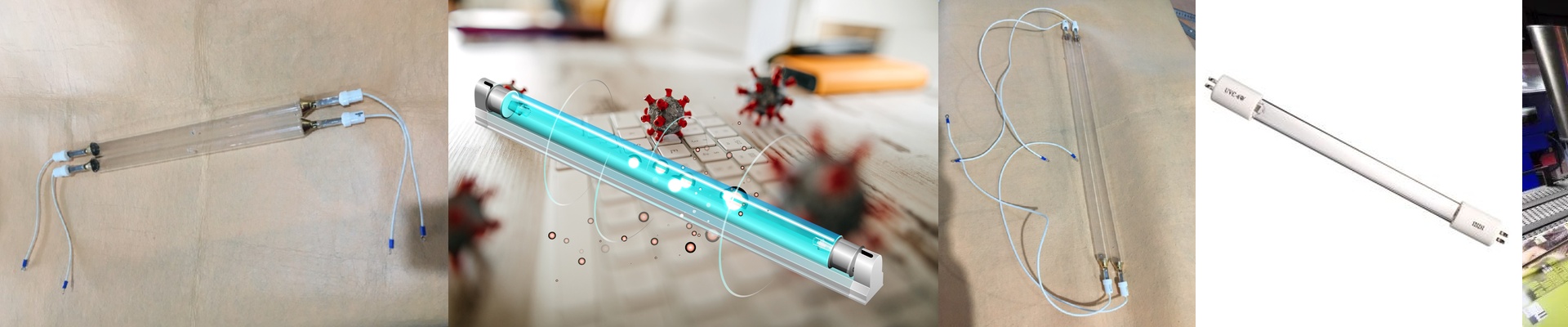
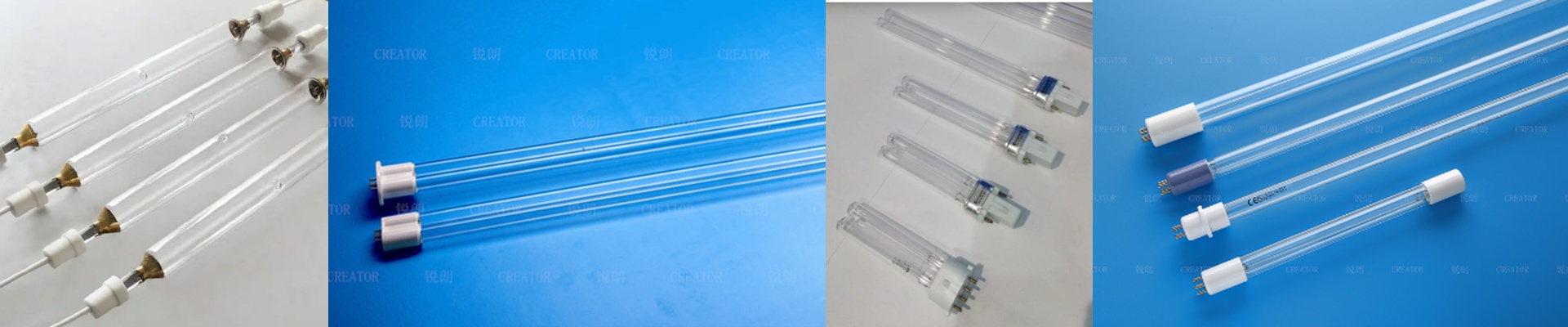
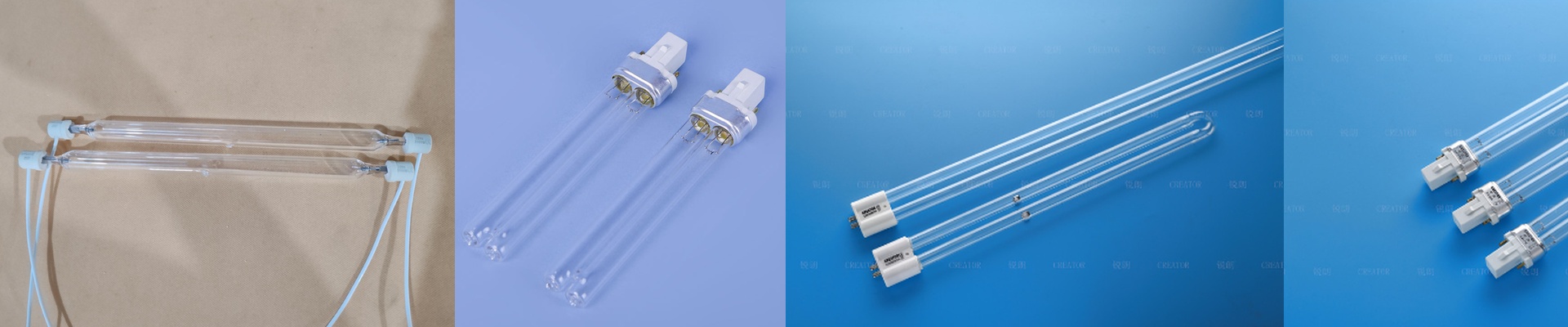
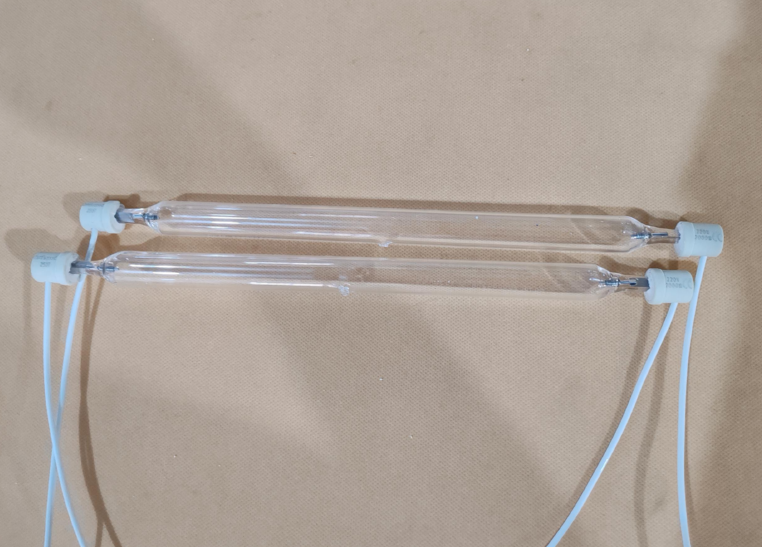
On the press floor, uptime and cure consistency come down to seconds and stops. When the lamp isn’t pulling its weight, you know it right away—tack, smearing, and rejects that eat into margin. That’s why top press builders spec our lamps as OEM: we build repeatability into every arc, starting with a spectral peak locked at 365nm. What matters, technically Hit 365nm and you’re sitting right on the absorption band of the photoinitiators in offset, flexo, and screen inks. That keeps cross-linking predictable across the sheet. We shape the mercury vapor output into a tight, stable envelope, so peak irradiance is repeatable from lamp to lamp. Power density and arc length are matched to reflector geometry and the dichroic coating, so the substrate sees the right energy density (mJ/cm²) without cooking the blanket or the stock. And output stays steady over life—controlled end-of-life degradation, not a sudden drop. Why it holds up on real presses OEMs need a lamp that behaves the same on Monday as it did on Friday, across different platforms. Our 365nm profile tightens the cure window, so you can run faster without chasing tails. Fewer speed reductions. Dot gain stays under control. Waste drops because incomplete cure isn’t driving scrap. Energy draw is matched to the duty cycle, and the lamp runs cooler at the substrate interface, so sensitive components aren’t under as much heat stress. The things you can’t skip Matching lamp output to the reflector and shutter design isn’t optional. Mismatched geometry wastes irradiance and burns lamp life. Confirm arc length, end fittings, and voltage against the machine spec, and check reflector condition before you install. Expect output to drift after 5,000–8,000 hours depending on power setting and cooling—plan radiometer checks so you catch the drop early.