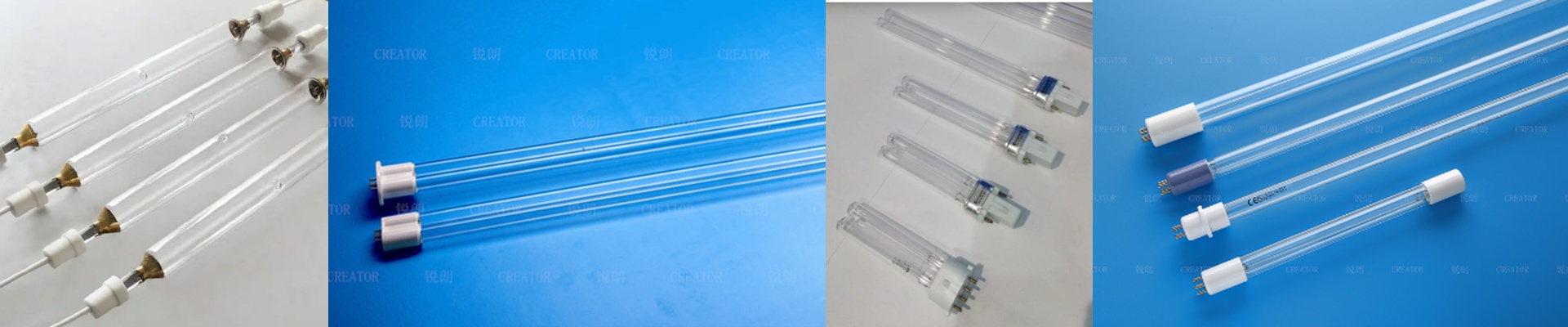
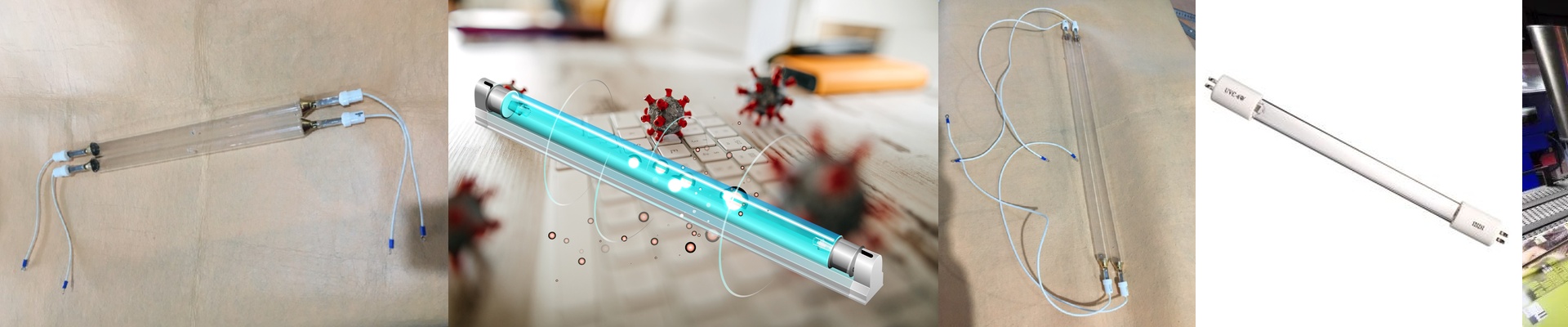
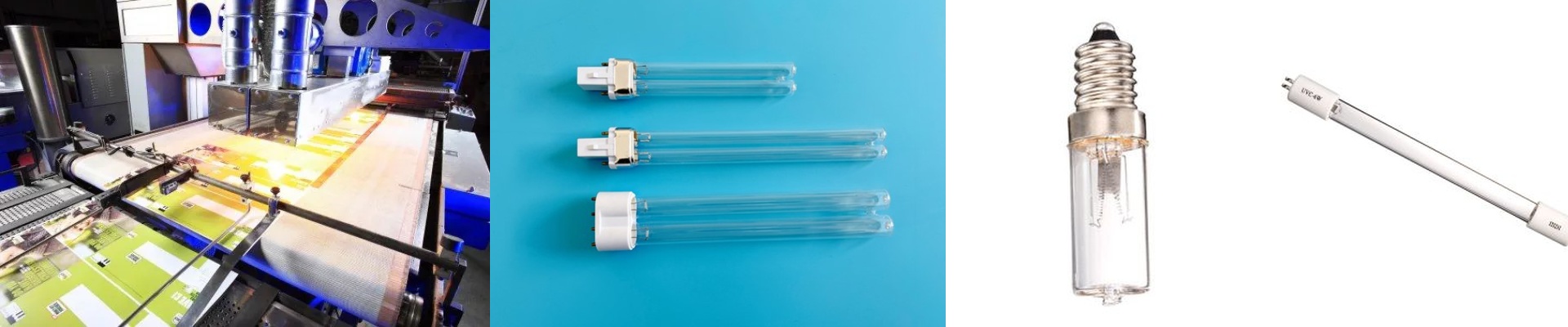
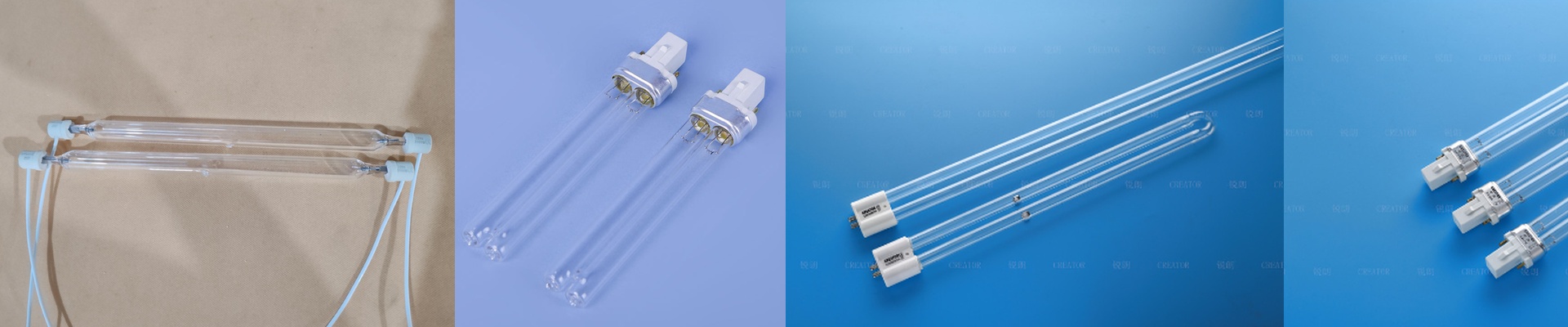
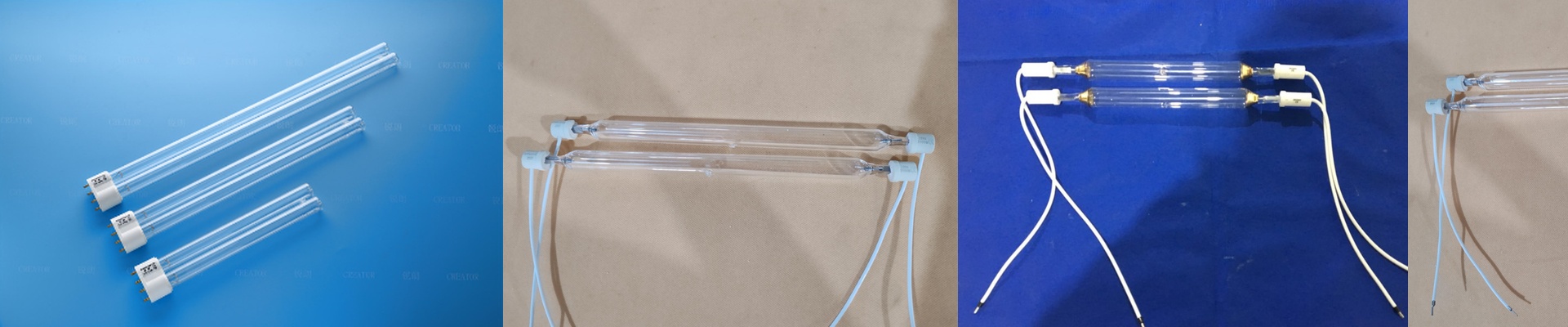
On the floor, downtime isn’t abstract—it’s lost sheets, missed cycles, and overtime chasing a bottleneck. When floor coatings stay wet, the line stops. Conventional drying bakes the top and leaves the substrate cool, so you end up with uncured layers that hurt adhesion and chemical resistance. UV curing can kill the wait, but only if the lamp puts the energy where it matters—through the full thickness, not just on the surface. What I’m engineering for, technically We set up the UV curing lamp for floor coatings around stable spectral output and repeatable energy density. The system holds a clean 365nm peak to trigger the photoinitiator deep in the coat, and it delivers a measured peak irradiance of 1200 mW/cm² at the working plane. That combination gives you an instant surface cure plus penetration into thick films, so cross-linking finishes in one pass. The reflector uses a dichroic coating to push UV forward and keep wasted heat out of the beam. Output stays consistent over 5,000+ hours, with less than 5% spectral drop, so your process window doesn’t drift. Why it holds up in real production Whether it’s textile finishing or heavy coating lines, the lamp keeps up with high-throughput schedules. There’s no waiting for solvents to flash or for thermal energy to soak in—coating cures as it passes. You get immediate handling strength, better scratch resistance, and consistent gloss without chasing oven profiles. Energy draw drops because there’s no warm-up and no idle heat. And you cut down on consumables, since the lamp runs at stable intensity without constant lamp swaps. The details that matter on install and on the job Match the lamp to your conveyor width and cure distance from the start. Check reflector geometry and cure-zone airflow; heat buildup will shorten lamp life and can distort sensitive substrates. High pigment loading or thick coatings may need a second pass, or a spectral profile tailored to the film. For the best result, line up the photoinitiator absorption with the lamp’s spectral output curve, then set line speed to hit the required energy density.