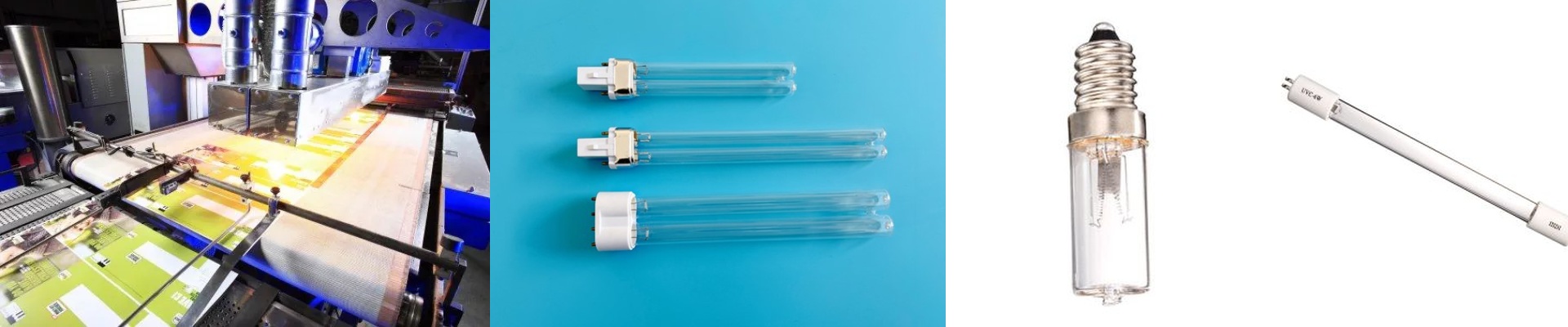
Why UV Curing is a lifesaver for textile automation
Most people think of UV lamps as just a final touch-up. But in a real production environment, they’re more like the glue holding the whole operation together. Think about the old way: massive thermal ovens that take forever to heat up and even longer to dry. UV systems scrap all that. Instead of waiting for heat to soak in, they use a quick chemical reaction to snap polymers into a solid state. It happens in seconds. Just like that, it’s done.
Speed vs. Smudge
If you’re running a conveyor at 50 meters per minute, you can’t afford to be timid with your power. You need high irradiance—basically, a concentrated punch of UV energy—to lock those inks and coatings in place instantly. Here’s the problem with low-wattage lamps: they leave the fabric feeling tacky. And tacky fabric leads to smeared prints and ruined batches once the material hits the rollers. To avoid that headache, you need enough wattage to ensure everything is fully cured before it even moves an inch past the lamp.
The Hardware Side (and the heat)
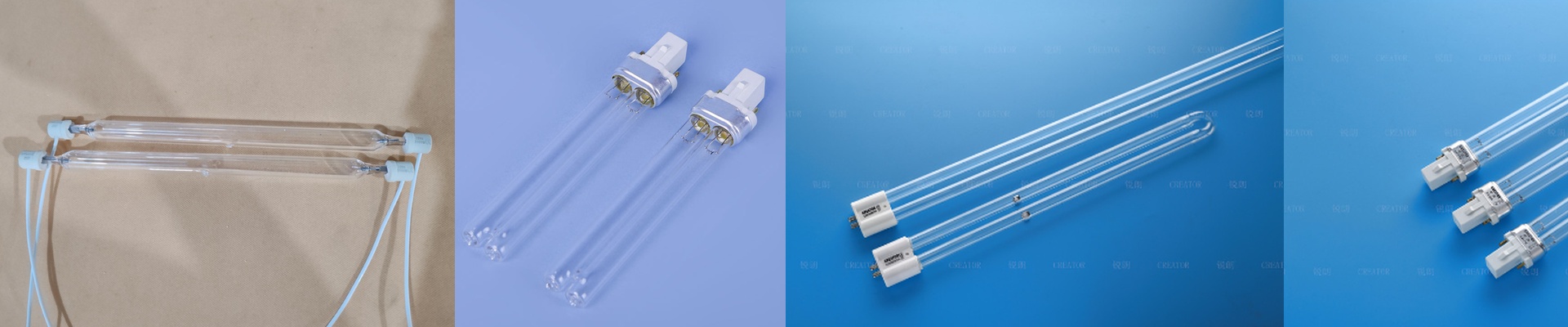
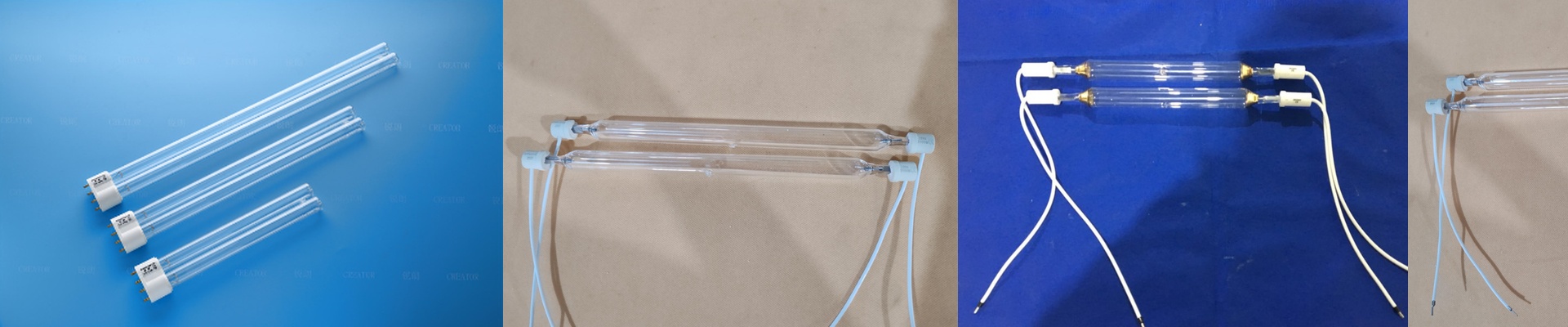
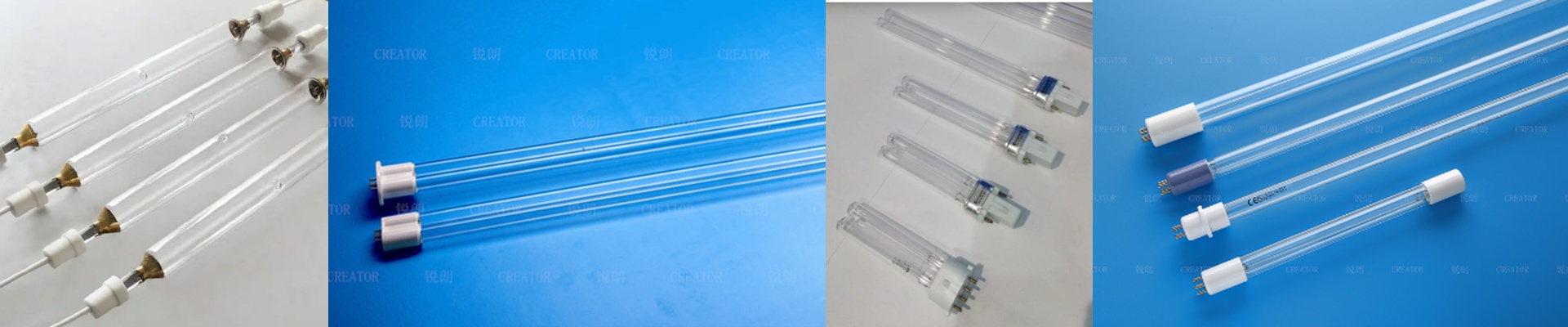
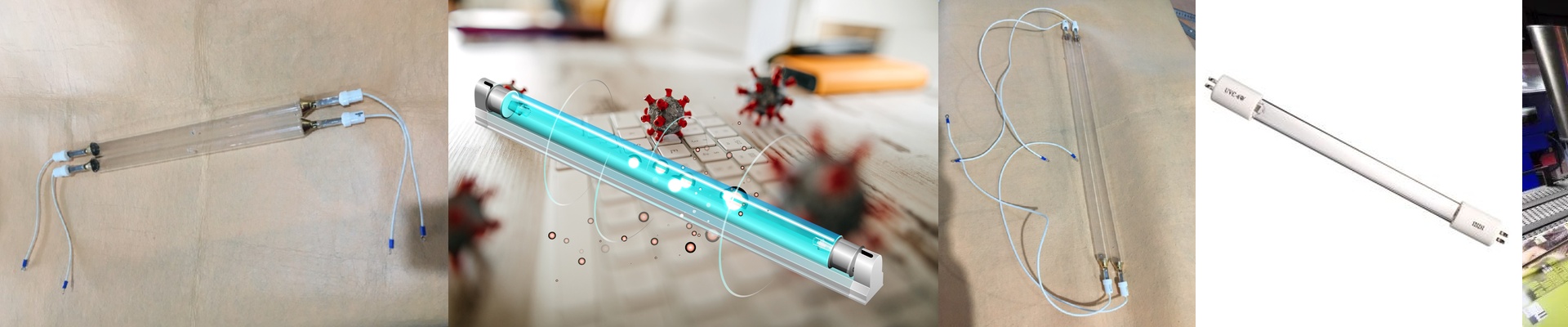
Usually, we use quartz sleeves to protect the arc and filter the light. They’re tough. They can handle the constant heating and cooling cycles without cracking under pressure. Most of the time, you’ll just plug these into your PLC system so the lamp triggers the moment the fabric feeds in. But there’s a catch. High-output lamps gethot. Really hot. If your cooling blowers aren’t up to the task, you’re going to have a bad time. You’ll either scorch your synthetic fibers or warp the housing itself. It’s a bit of a balancing act: you want the speed that comes with high intensity, but you’ve got to make sure your HVAC and cooling can keep up with the load.
Where this actually helps
In a typical textile shop, these lamps usually handle three big jobs: First, they set the ink. This keeps digital pigment prints from bleeding the first time a customer throws the garment in the wash. Then there’s the bonding. If you’re adding heat-transfer vinyl or patches, UV lets you fasten them instantly. No more waiting around in a drying room. And sometimes, it’s just about prepping the fabric—tweaking the surface so the dye actually sticks. The best part? You can ditch those giant drying tunnels. They take up way too much floor space. With UV, the product is dry and ready to ship the second it leaves the lamp. It just makes the whole shop feel leaner.