Dealing with Electrical Noise in Busy Print Shops
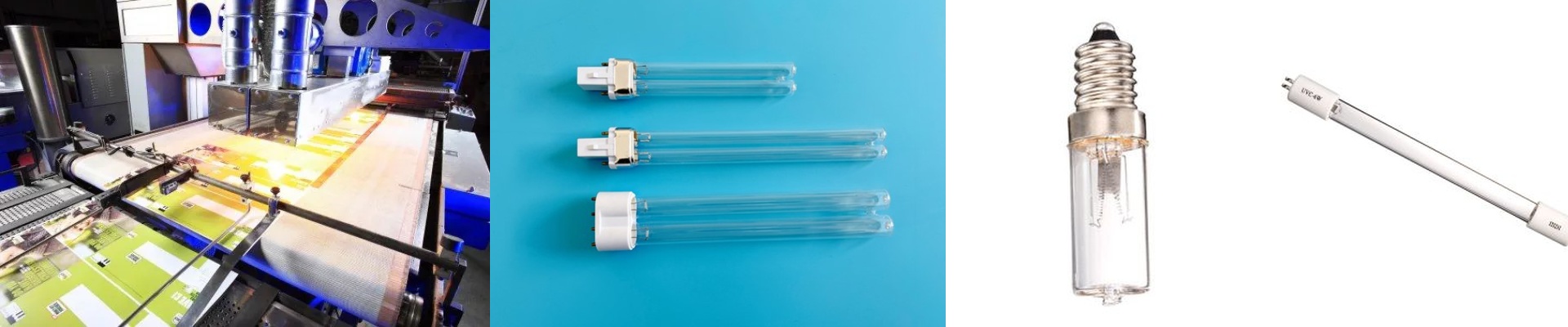
If you’ve got a few large-scale printing presses running in one room, you know exactly how chaotic the electrical environment gets. Between the massive motors and high-frequency power supplies, there is a ton of “noise” floating around. Most standard UV lamps just can’t handle it. They start to flicker or trigger ballast faults because they’re basically acting like antennas for all that electronic interference from the machines next to them. It’s a headache you don’t need.
How we keep things steady
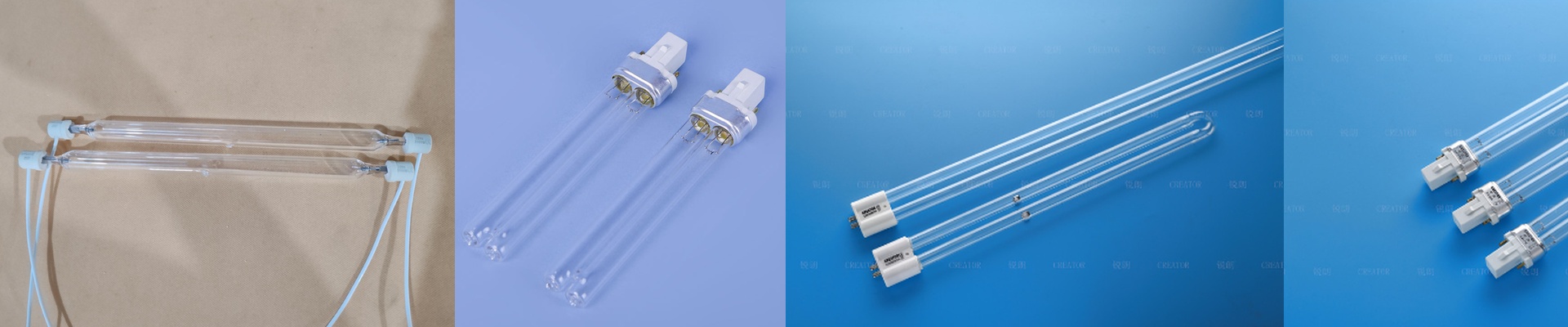
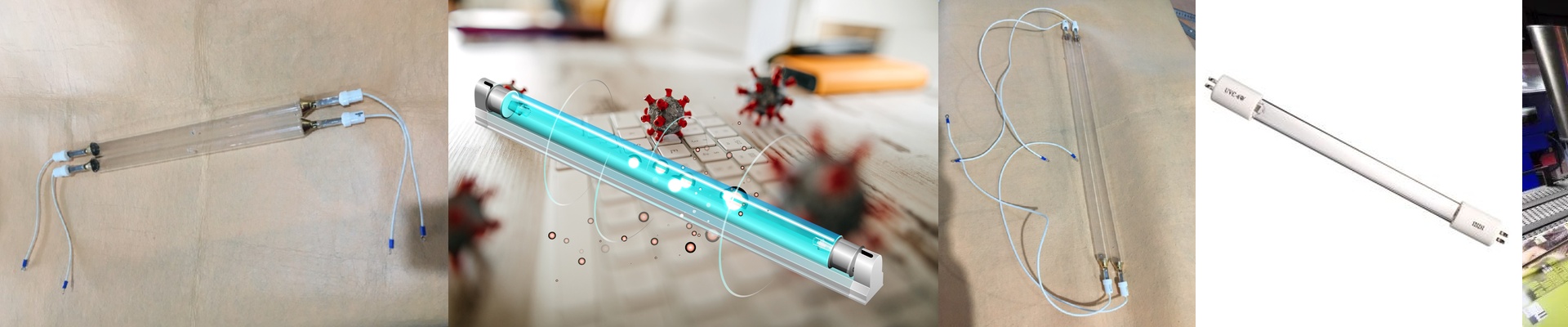
We designed our UV lamps to thrive in that kind of electrical mess. The secret is in how the lamp electrode and power supply talk to each other. We used reinforced shielding and tweaked the impedance matching so the arc stays rock-solid, even when your power grid is messy and full of distortion. When a lamp picks up noise from a nearby press, the UV output goes haywire. You end up with uneven curing and those annoying “wet” spots on your prints. To stop that, we toughened up the circuitry to soak up voltage spikes and surges before they can cause trouble.
Keeping it stable under pressure
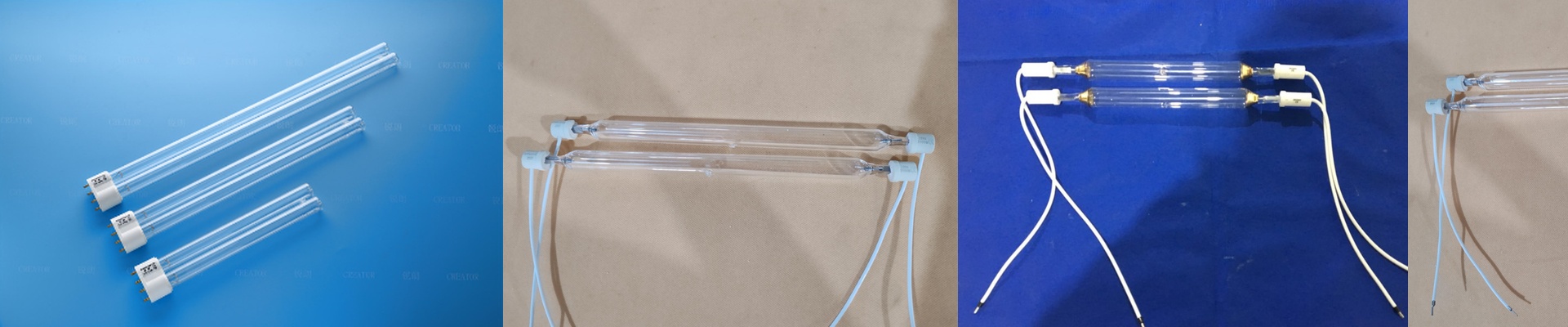
It’s not just about the lamp itself—it’s about how it plays with your ballast. Our lamps keep a steady arc voltage across the board. This stops that “hunting” effect where the power supply is constantly guessing and adjusting. When a power supply hunts, it kills your electrodes faster. Simple as that. Just a heads-up: this level of stability needs the right partner. If you plug these into an old or undersized ballast, you’re wasting your money. Make sure your ballast is actually rated for the tube’s current draw, or you won’t feel the difference.
Real-world results
In a shop with multiple presses, these are just drop-in replacements. You swap them in and get a consistent cure every time. No more intermittent shutdowns. No more “EMI trips” that kill your momentum in the middle of a huge run. It just works. Your line keeps moving, and you can actually stop worrying about whether the power is behaving.