Making High-Pressure Mercury Systems Actually Smart
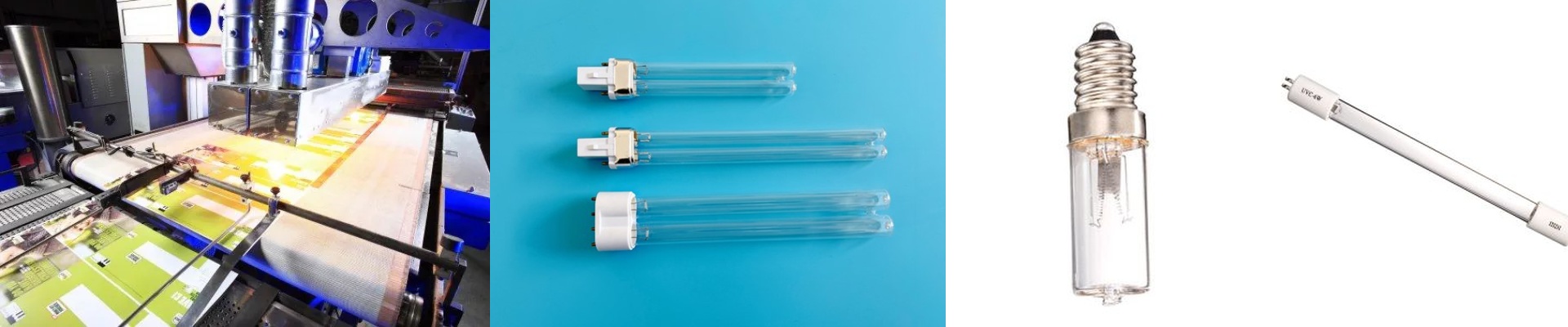
Let’s be honest: high-pressure mercury lamps are the old reliable of industrial curing and disinfection. They put out a ton of UV in a small space, and for the most part, they just work. But as we look toward 2026, we aren’t trying to reinvent the wheel or change the physics of the mercury arc. That’s already sorted. Instead, we’re focusing on the one thing that usually drives plant managers crazy:knowing exactly what’s happening with your power draw. We’re basically giving the ballast-lamp interface a brain so you can monitor energy efficiency from a distance.
The logic behind the hardware
Here is how it works. A standard lamp needs that high-voltage kick to start and a steady current to keep the UV-C flowing. Simple, right? Well, we’ve started embedding sensors that keep a constant eye on wattage and voltage. Why? Because it lets you catch a dying lamp before it actually quits. Instead of finding out your product is uncured after it’s already rolled off the line, you’ll see the power dip on your dashboard. It turns a potential disaster into a quick, scheduled swap.
Fits right in
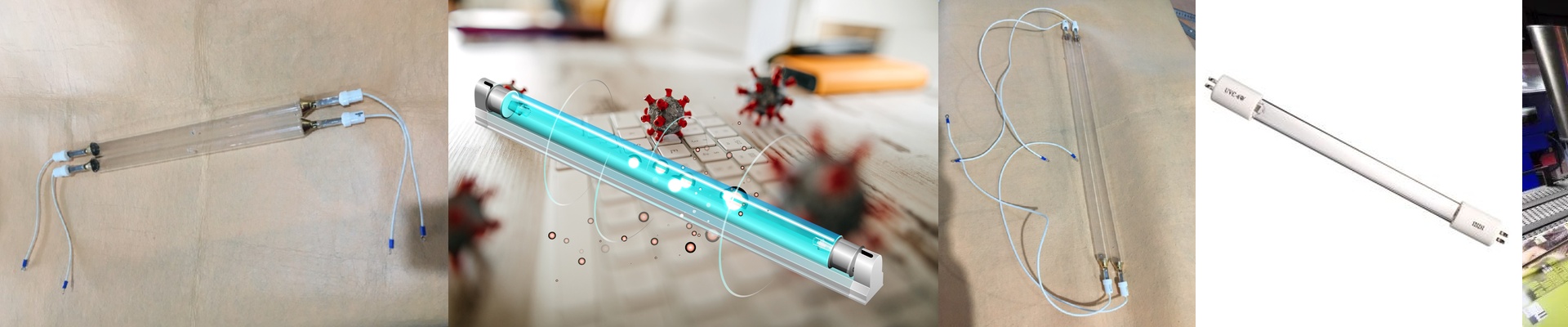
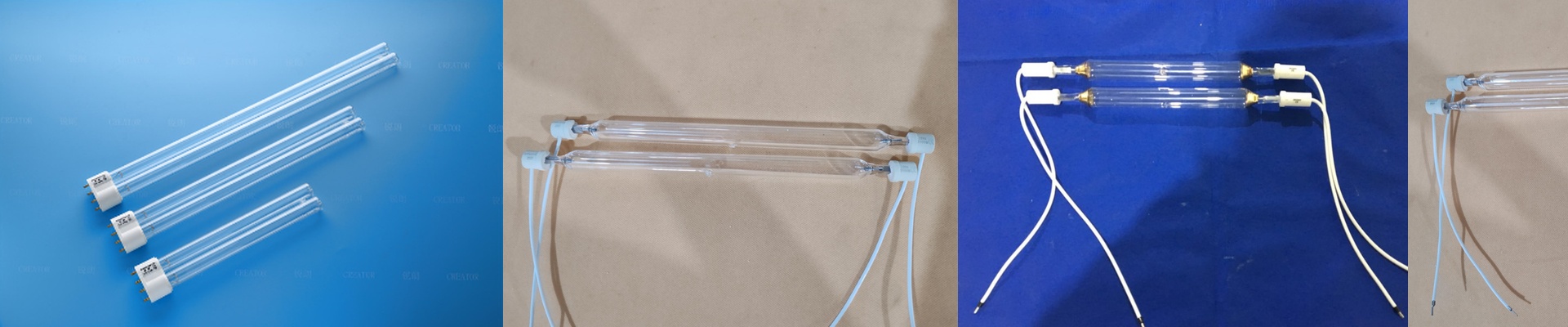
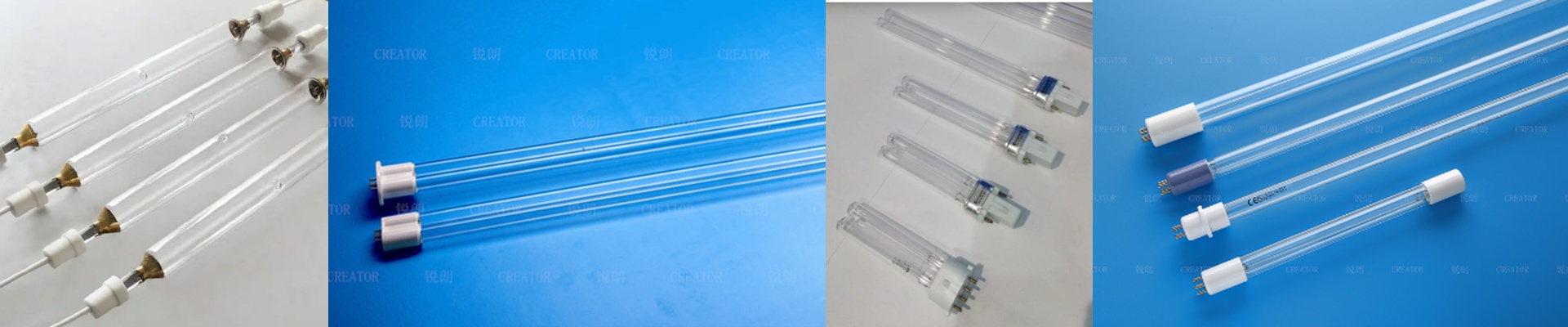
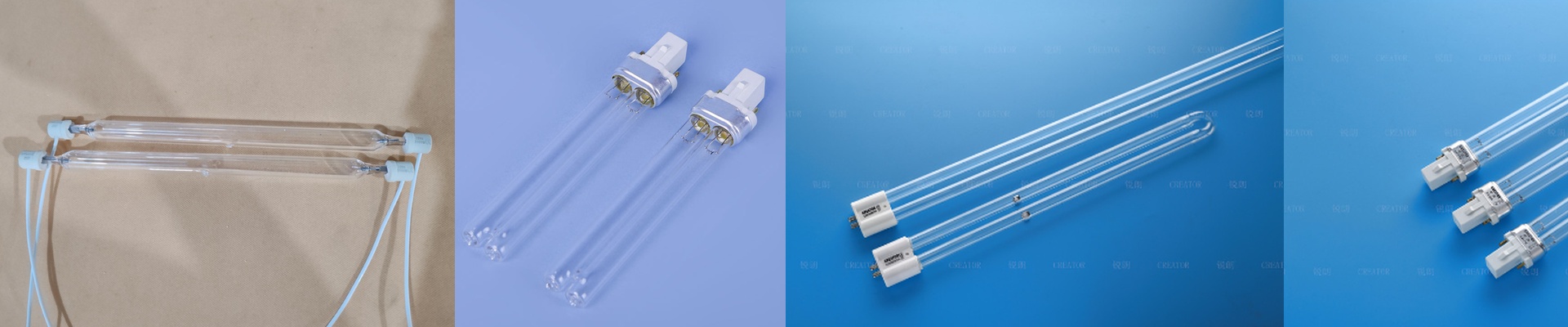
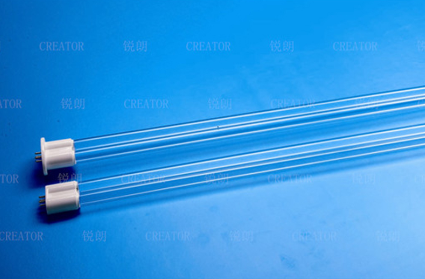
Nobody wants to rebuild their entire housing just to get a few new features. We get that. That’s why these systems use the same footprints as the older rigs. The quartz envelope and the electrodes are exactly what you’re used to, so they just slide right in. The “smart” part is tucked away in the driver. It quietly tracks the energy curve from the moment you hit the switch until the lamp hits its full operating temperature.
The catch: Heat vs. Data
Now, here is the tricky part. Putting more electronics near a lamp head means putting sensitive gear in a very hot zone. You can’t just tape a sensor to a tube and call it a day. To make this work, we use thermal barriers to keep the electronics isolated. But you still have to do your part. If your cooling fans die or someone blocks the airflow, the sensors will trigger an automatic shutdown. It’s a safety move to keep the quartz from cracking. It’s a fair trade—you get way better data, but you’ve got to make sure your cabinet ventilation is actually up to the task.