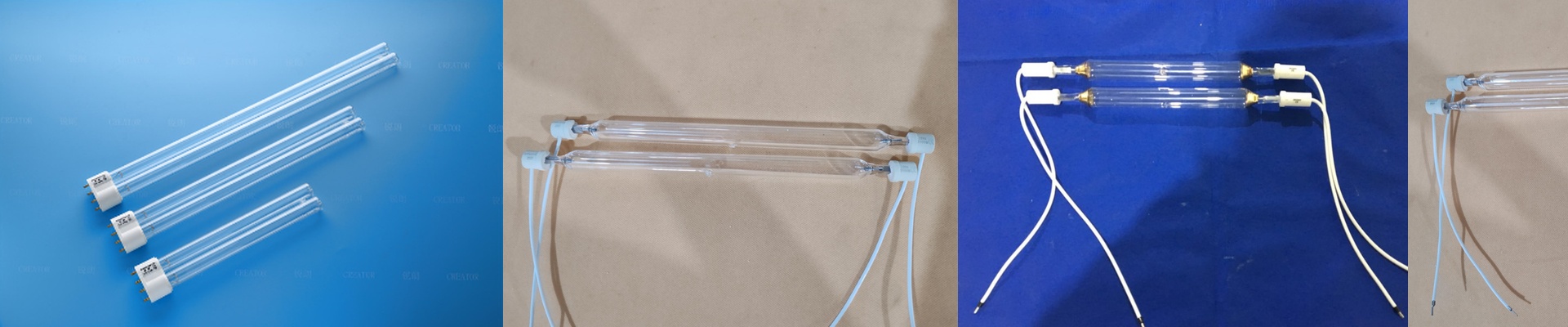
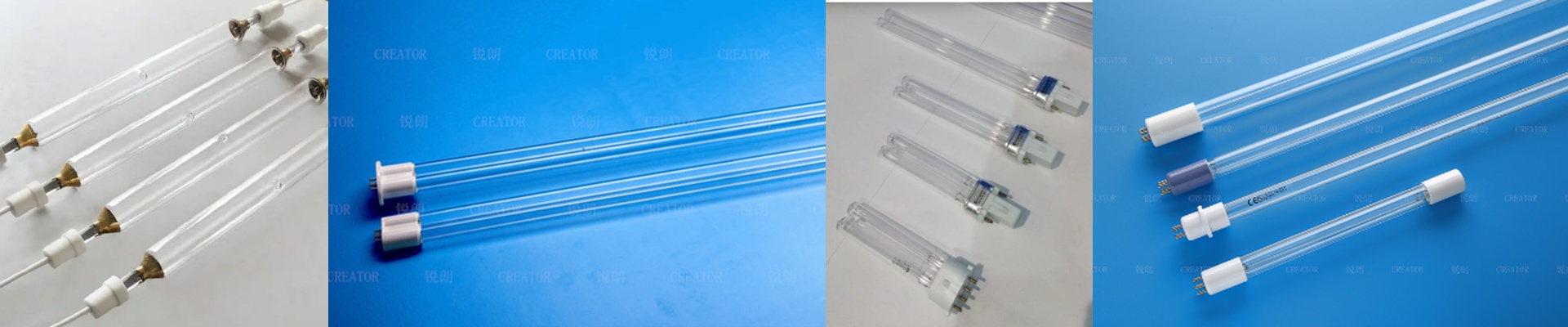
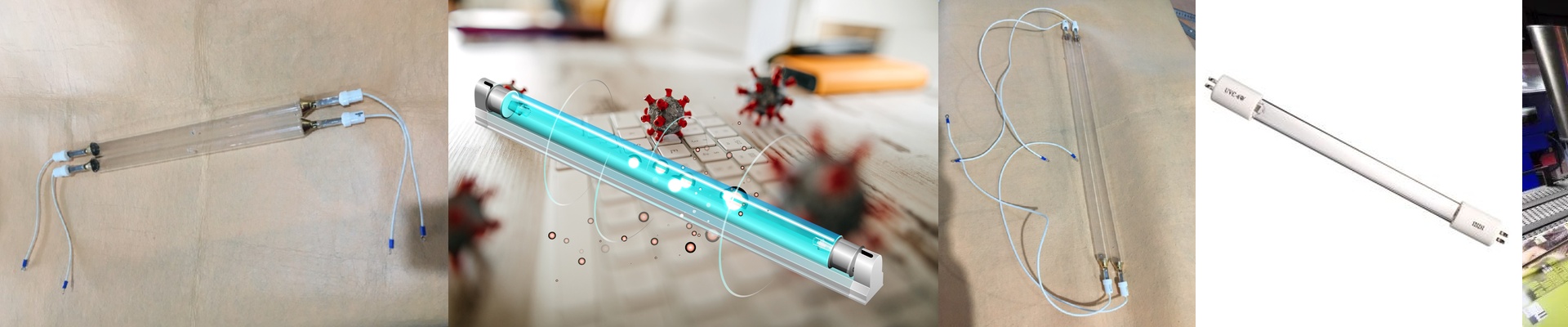
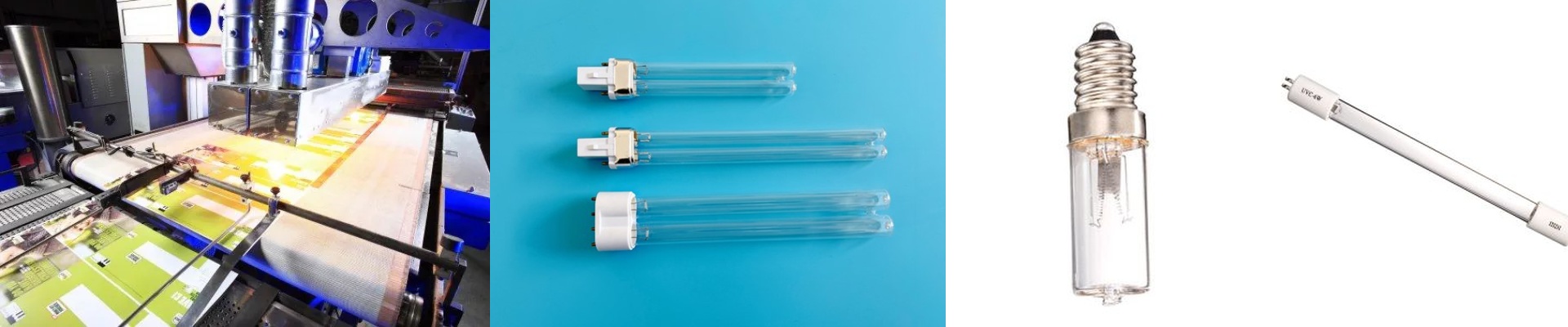
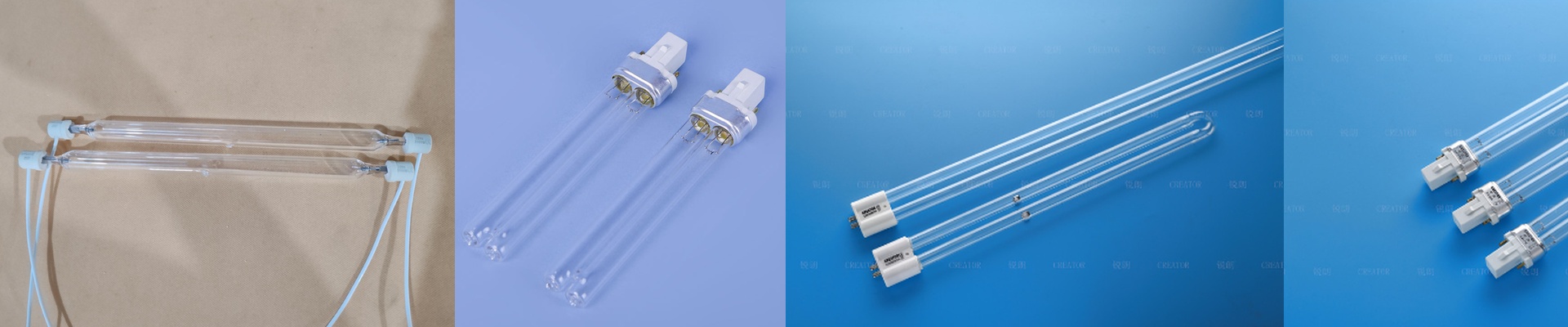
Making UV Lamps That Actually Work (Without the Brand-Name Markup)
We handle everything for our UV and IR lamps right here in our own facilities in China. No middlemen, no random third-party suppliers. We do it all. Why does that matter to you? Because it means we get to pick the quartz and the electrodes ourselves. When you’re ordering custom lamps, you’re really paying for two things: how pure that silica is and how precise the gas fill is. If either of those is off, the lamp is just a fancy piece of glass.
Getting the Power Right
Customizing a lamp isn’t as simple as picking a length. We have to nail the wattage and voltage so it actually plays nice with your power supply. Now, it’s tempting to go for the highest wattage possible to get faster curing. More photons, right? Sure. But there’s a catch. More power means more heat hitting your reflectors. If you try to cram maximum intensity into a tiny space, you better make sure your cooling fans can handle the sweat, or you’re going to fry your end caps.
The Stuff It’s Made Of
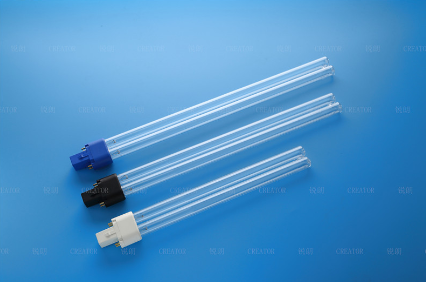
We stick with high-purity fused quartz. If you use cheap glass, it blocks the shortwave radiation. Instead of curing your product, you’ve basically just bought an expensive heater. For the tricky jobs, we can add coatings to shift the light output. And since nobody wants a headache during installation, we use standard connectors like R7s or Sk15. They just slide right into your existing rigs and handle the current without getting hot enough to melt something.
The Real-World Trade-off
Whether you’re blowing PET bottles, curing ink, or sterilizing equipment, you’re always balancing two things:intensity and lifespan. Here’s the honest truth: if you run a lamp at 110% of its rated power, you’re going to kill it a third faster. It’s just physics. We’ll give you the actual data on how the light fades over time so you can plan your maintenance instead of guessing. You get a lamp that fits your machine’s electrical footprint perfectly. And you do it without paying a “brand name” tax.