Introduction
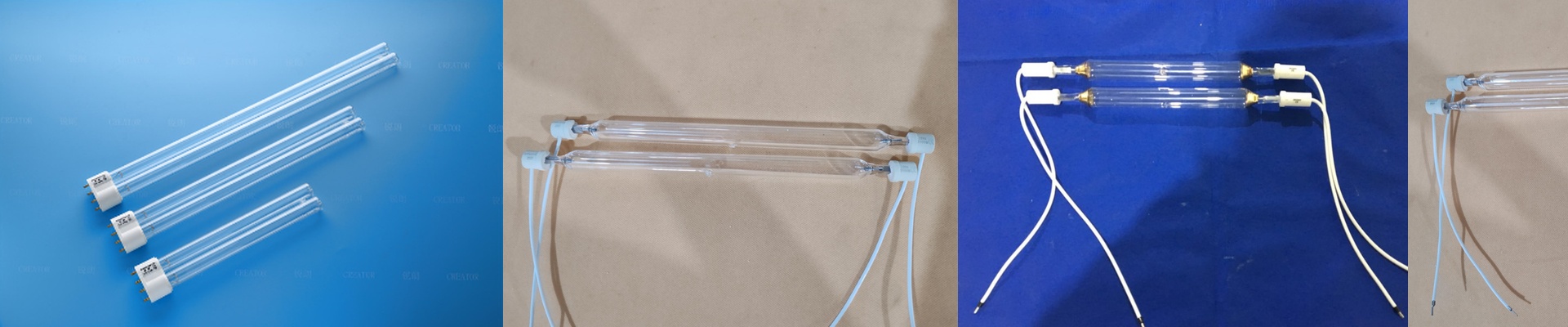
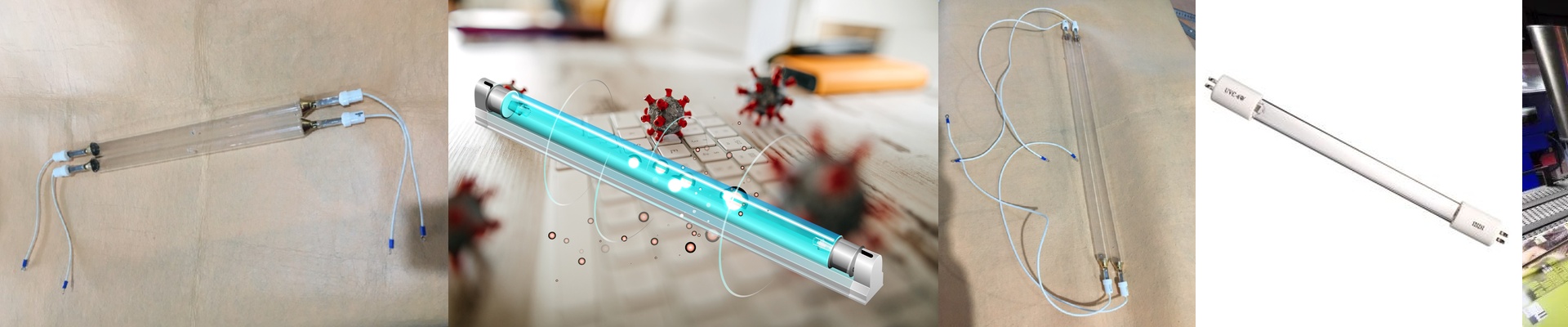
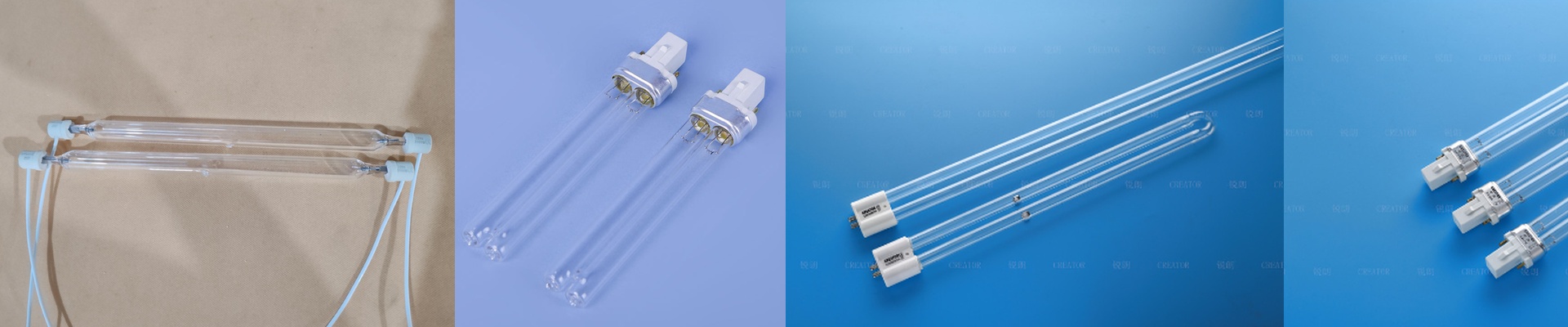
We built this fast-curing UV lamp because supply chains are moving fast—and you can’t afford to slow down. The whole point? Give you a heat source that’s powerful, dependable, and ready to jump in whenever the pressure hits. It’s the kind of lamp we’d spec for engineers who need a straight swap that just works, especially when the clock is breathing down your neck.
The Heart of It
Here’s the core: we run a 400V high-voltage halogen lamp, 300mm long and 15mm across. That size concentrates the heat into a tight spot, which means your temperature climbs quickly and the time the material spends under the lamp stays short. At 2500W, you’re getting serious intensity—the kind that makes fast-curing cycles possible without cutting corners. But there’s a catch, and it’s honest: all that power in such a compact space generates a lot of heat. Your machine’s cooling—airflow and reflector setup—has to be up to the job. If it isn’t, you’ll start seeing parts wear early and your cure quality drift.
What It’s Made Of
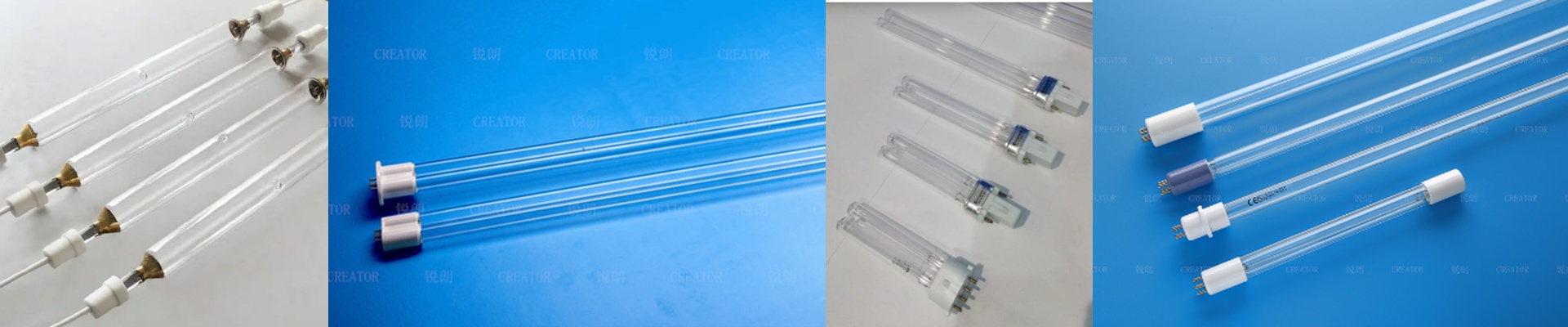
We wrapped the lamp in a quartz envelope, filled it with halogen, and added a reflective coating to aim the energy where you need it—straight at the target. The halogen cycle does a quiet, important job: it keeps the filament stable at high heat, so the lamp stays consistent over time and resists blackening. The coating helps cut down on wasted heat, so more of the energy goes where it counts. Then there’s the R7s connector. We chose it because it’s solid—two strong contact points that handle high current without getting finicky. It also makes the whole thing plug-and-play. Wire it in fast, with minimal tweaking to the fixture, and you’re back up and running. Less fiddling. Less downtime.
Where It Shines
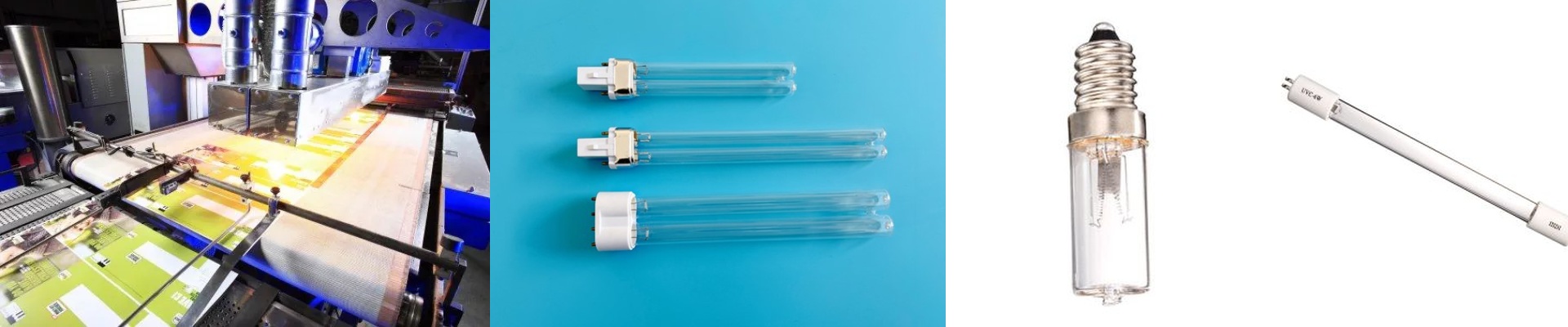
This lamp was born for industrial UV curing—the places where speed and repeatability can’t be argued with. In flexible operations, changeovers come fast and often. With the quick heat-up, steady output, and simple R7s install, you can swap lamps and get the line back to full speed without drama. Even when material batches shift a little, the focused heat profile helps you keep the cure consistent from run to run. That means more predictable output, fewer rejects, and the confidence to handle surge demand without tearing your process apart and starting over. When the schedule tightens, this is how you keep moving.