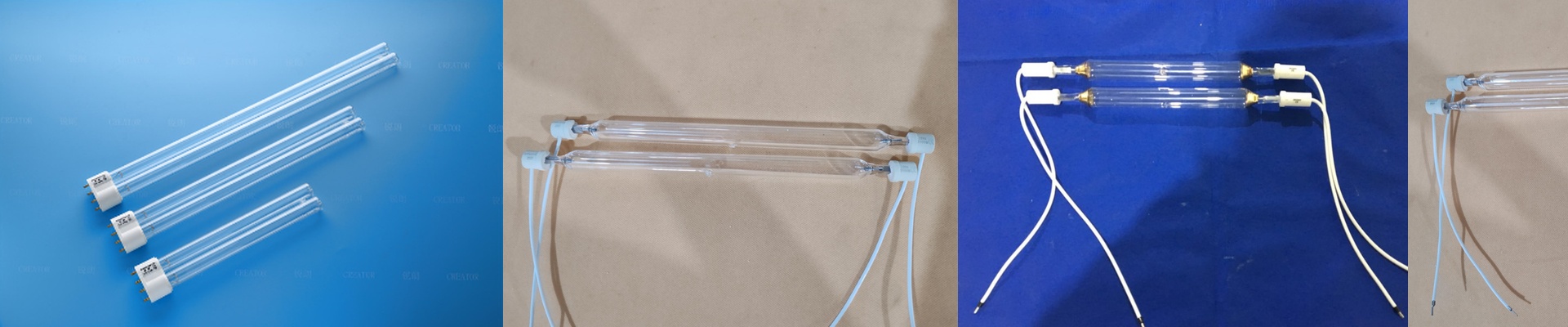
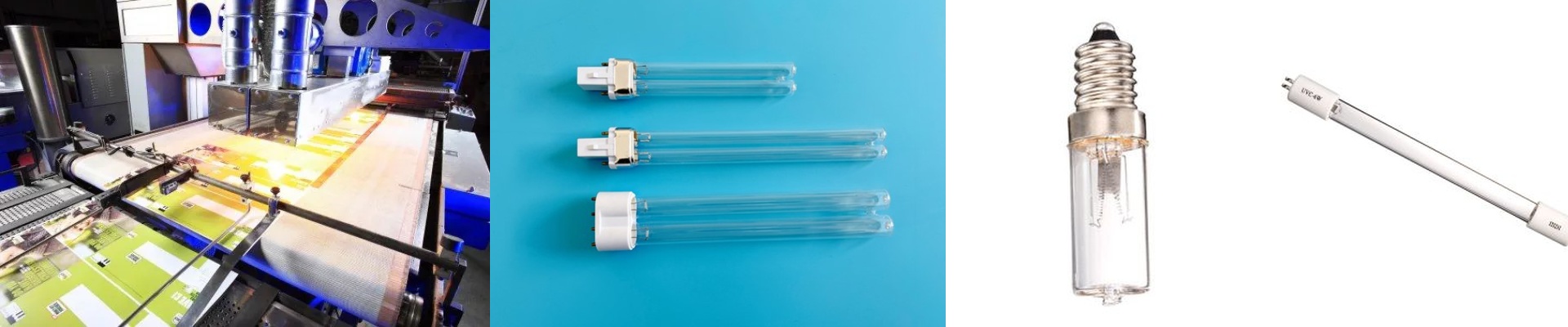
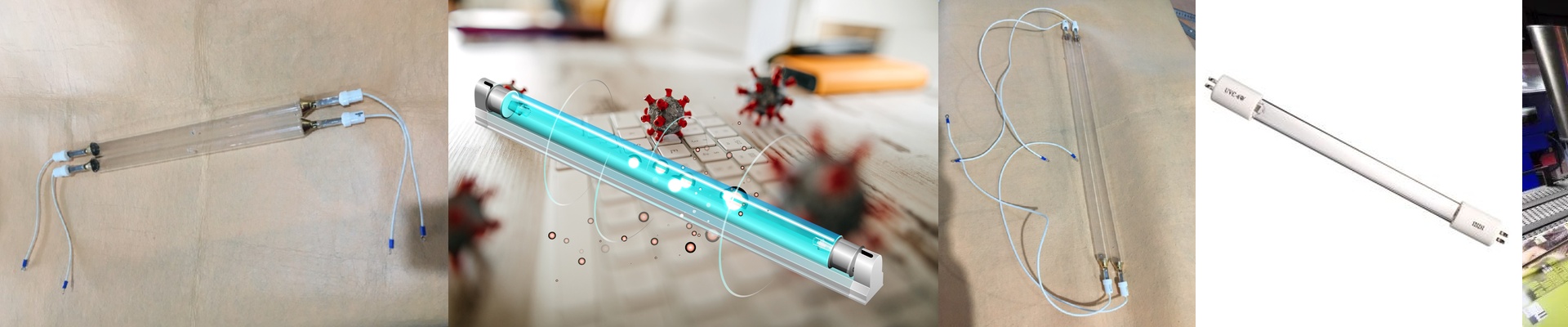
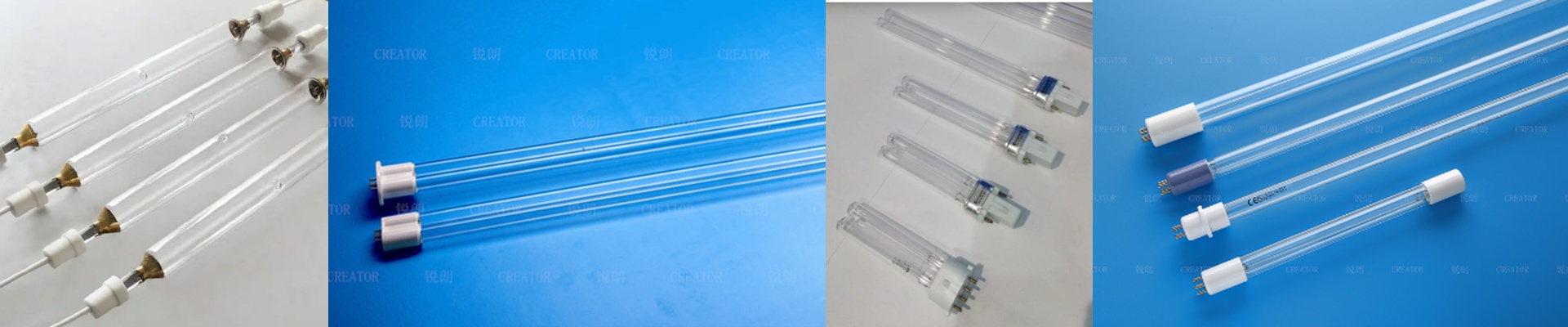
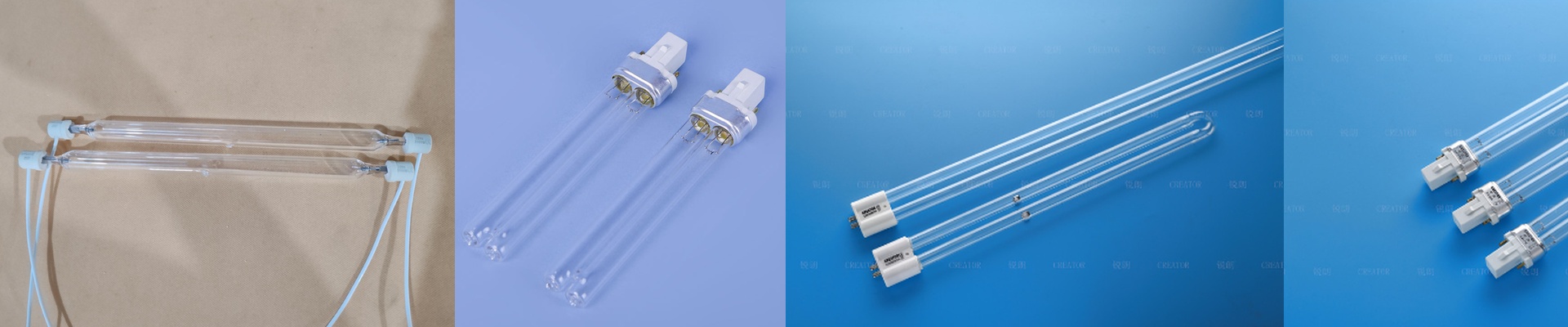
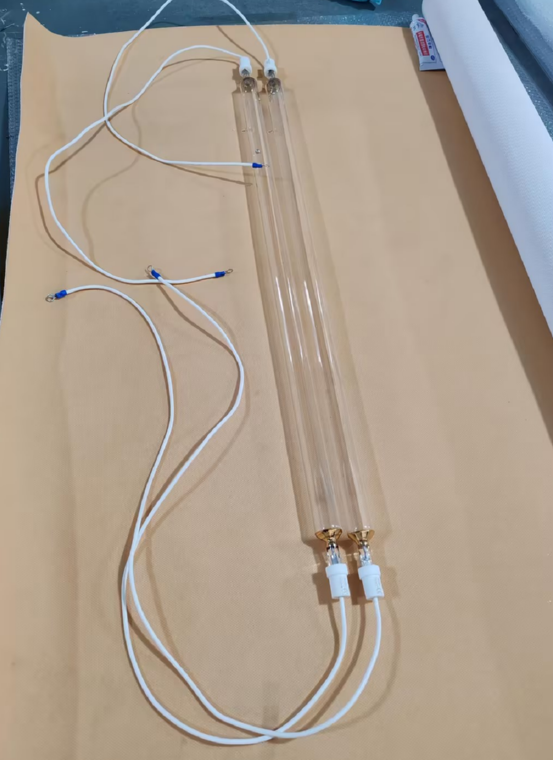
On the press floor, anti-counterfeiting marks fall apart when the UV spectral output doesn’t line up with the photoinitiator in the special ink. You get incomplete cross-linking, weak fluorescence, and rejects that slip past inspection. We built our industrial mercury UV bulb for one reason: deliver stable, high-spectral-purity output so those security features cure exactly the way they were formulated. What matters, technically The lamp is built around a high-purity quartz envelope and a controlled doping profile that sharpens the dominant emission lines. In practice, that means a repeatable spectral profile centered on the wavelengths that drive photoinitiator absorption—typically 365 nm—with tight bandwidth control. Peak irradiance is tuned by a dichroic-coated reflector that pushes usable output while cutting wasted IR. You get consistent energy density at the substrate, lamp-to-lamp output that stays steady, and an ozone-free design for cleaner running. Why it works in real production Anti-counterfeiting inks need precise curing energy to set micro-text, latent images, and fluorescent tags without yellowing or bloom. In offset, the lamp runs at high peak irradiance to set thin films fast, so you avoid set-off. In flexo and screen, the curing window is broader, and the stable spectral output keeps the cure uniform across thick deposits and heavy coverage. The payoff is higher first-pass yield, sharper mark contrast, and fewer reprints. Here are the things you’ve got to get right Matching lamp length, arc gap, and reflector geometry to your press isn’t optional—offset, flexo, and screen each need different UV density distributions. Keep an eye on reflector condition and shutter cycle; output drops faster when reflectivity falls off or the lamp gets cycled too much. And before installation, confirm fixture voltage and connector compatibility so you don’t run into mismatched ignition and power delivery.