The Obsession with Spectral Precision
We build Mercury UV lamps for engineers who crave total control. The whole point of our design? Hitting a 0.5% spectral energy concentration. This isn’t just a number we threw on a brochure. It’s a hard engineering target that keeps your thermal process stable. A standard mercury UV lamp throws out a wide, messy energy curve. We reworked the arc geometry and the gas fill pressure to squeeze that energy into a tight, predictable band. The payoff? You can match the lamp’s output to exactly how your material absorbs energy. No more hot spots. No more cold zones. Just consistent, even results.
Power and Geometry: The Real Deal
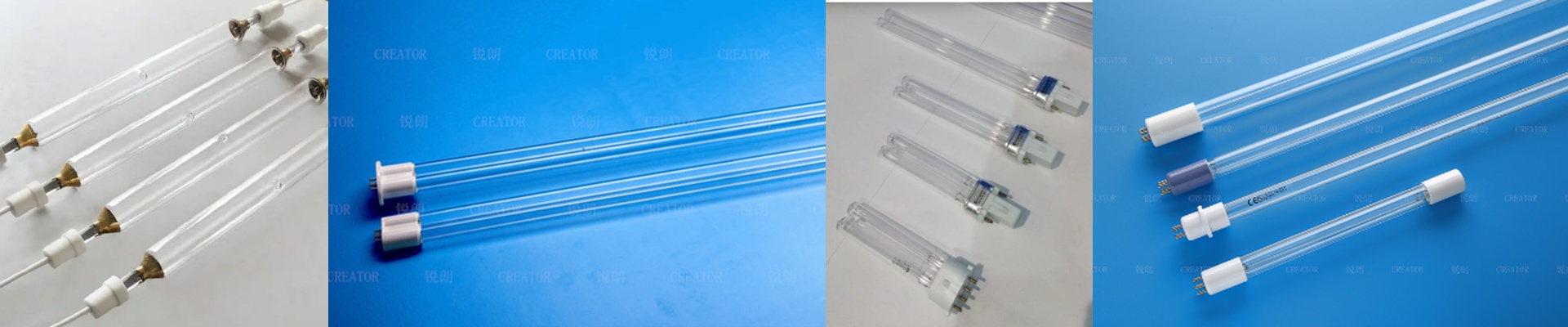
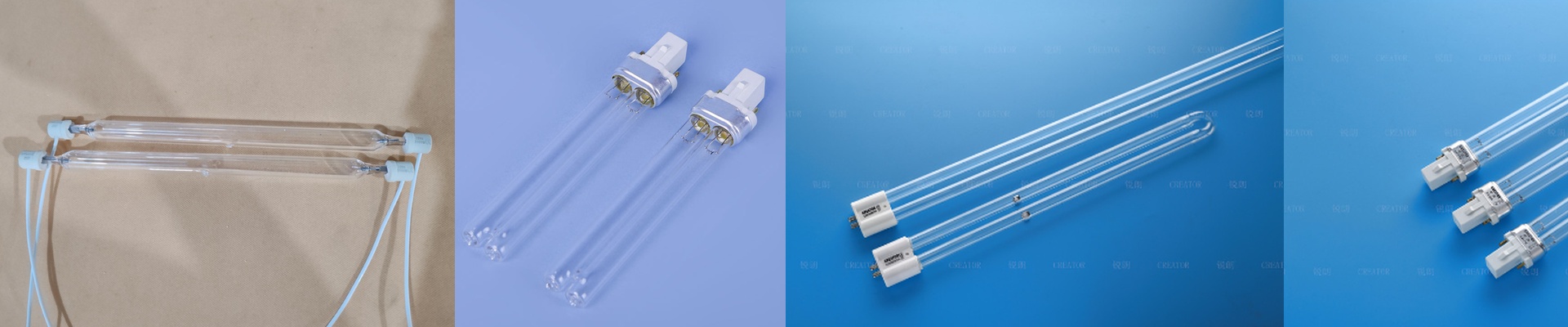
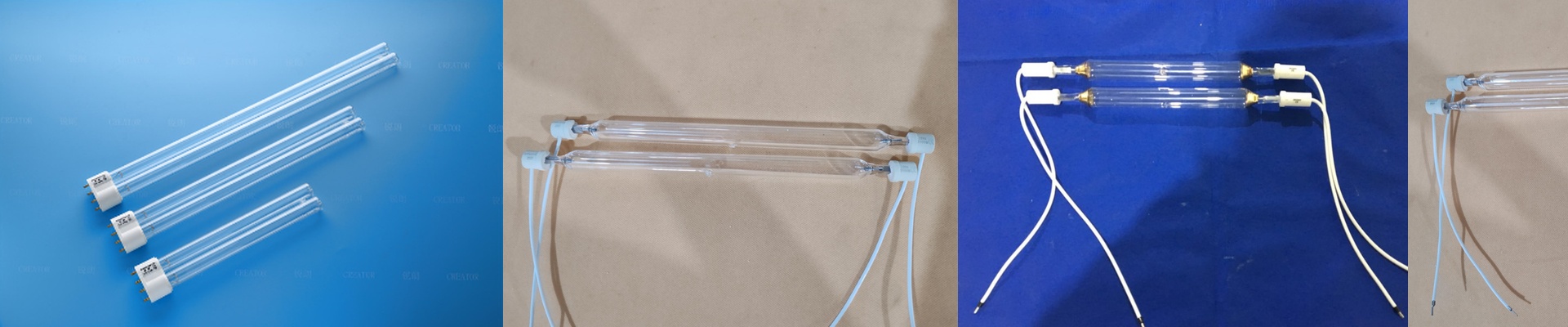
We designed these lamps around a specific power and voltage profile built for industrial heat density. The 400V input drives a high-wattage arc inside a compact tube, about 300mm long. It’s a deliberate combo that creates a high-intensity point source. You get maximum energy in a tiny footprint. Perfect for cramped equipment or processes that need a fast temperature ramp-up. But here’s the trade-off. That power density means the equipment housing the lamp needs serious cooling. The chamber temperature will climb. Plan your heat dissipation accordingly.
Built to Last, Built to Perform
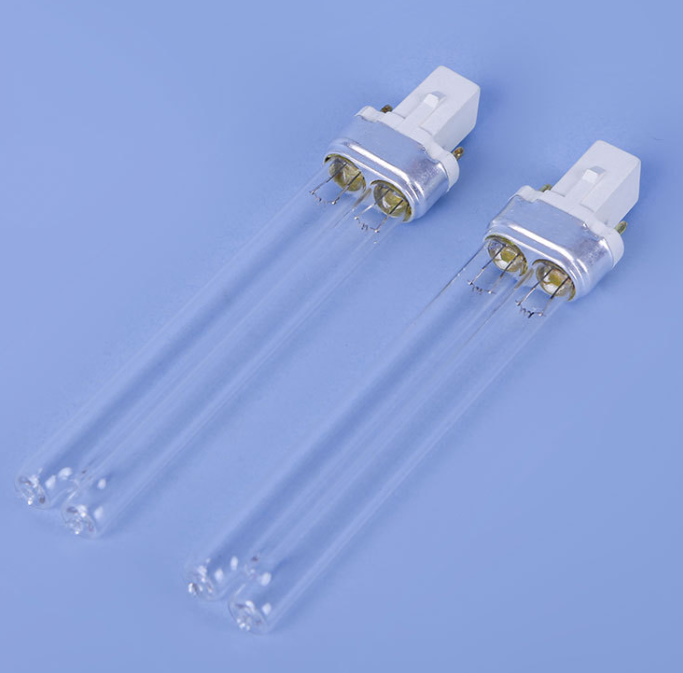
The heart of the lamp is high-purity quartz. It’s there because it can take the intense UV and thermal stress without breaking down. Inside, the mercury amalgam is precisely metered to keep the output stable over the lamp’s entire life. And we use the R7s connector for a reason. It handles the high current and gives you a secure, two-ended mount. This keeps the lamp perfectly aligned and makes replacement a simple drop-in job. The quartz body and tough ends can handle the punishment of 24/7 production and just keep going.
What This Means for Your Work
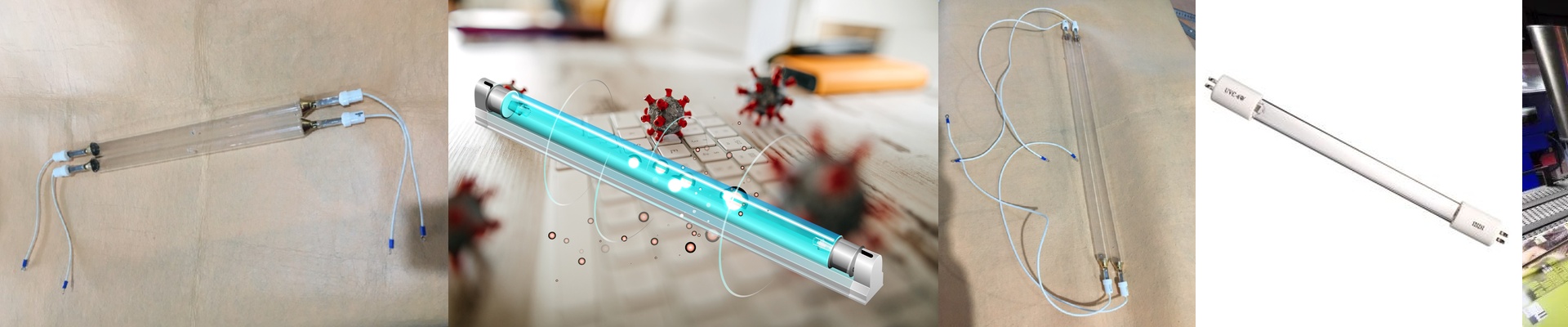
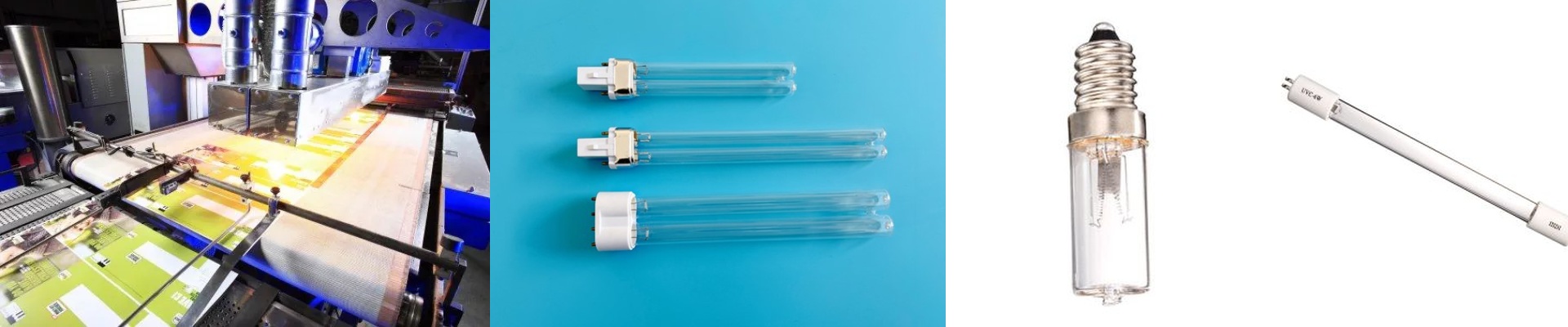
In applications like PET blowing or curing lines, spectral consistency is everything. A lamp that drifts in energy output forces you to constantly tweak your machine settings. Our lamp’s 0.5% concentration stability removes that headache. You get predictable cycle times and consistent product quality, shift after shift. The R7s connection makes maintenance a breeze, which cuts down on downtime. We built this for the engineer who wants the spec sheet to match what actually happens on the shop floor.
The Honest Truth
Achieving this level of precision means you need tight control over the whole system. The lamp is only as good as the ballast and reflector it runs with. You have to match the entire assembly to the lamp’s characteristics. Pair a high-precision lamp with mismatched peripherals, and you’ll lose the engineering advantage and shorten the lamp’s life.