Getting UV Curing Right (Without the Guesswork)
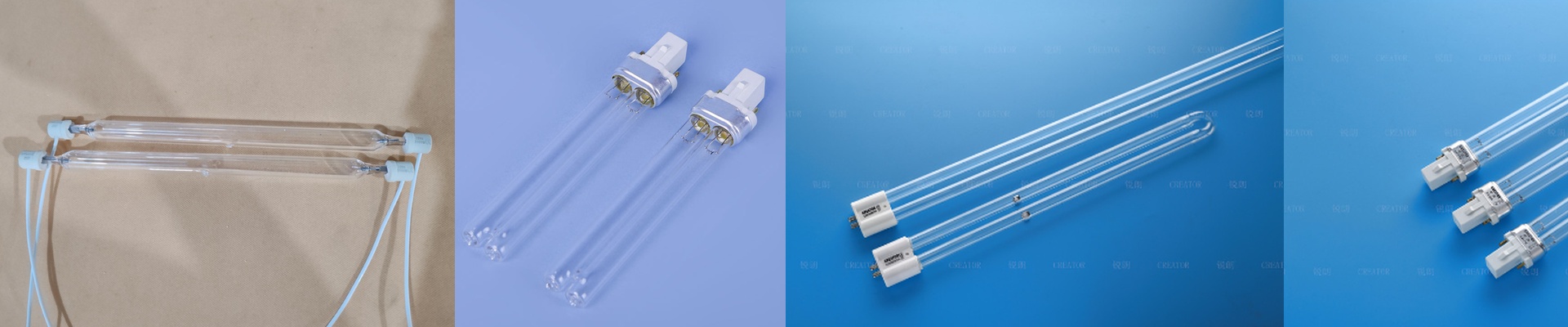
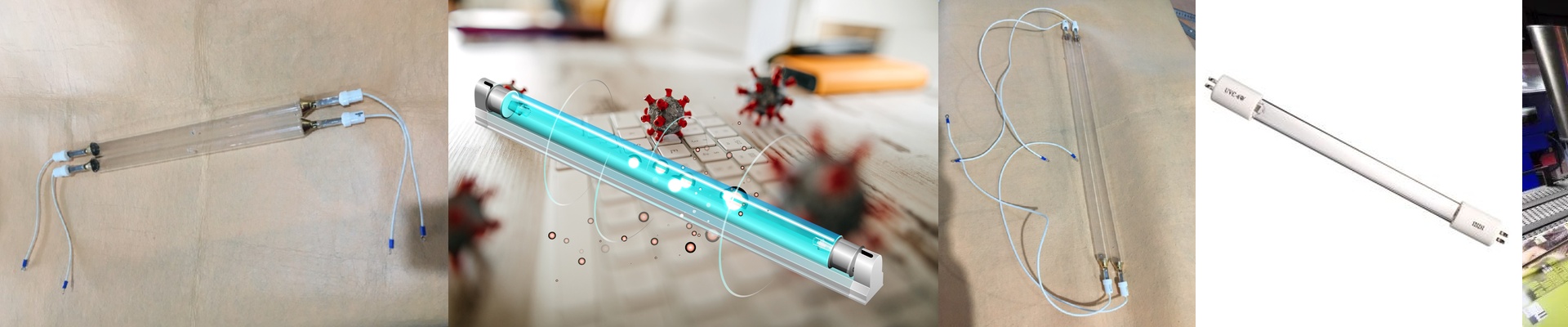
Most off-the-shelf UV lamps are kind of a shot in the dark. They blast a wide spectrum of energy, but a lot of that is just wasted heat. It doesn’t actually trigger the photoinitiators in your resin. We do things differently. We build modular lamps for the people who know that “close enough” isn’t good enough.
It’s all about the wavelength
Here is the thing about UV: it isn’t just one thing. If your polymer chain needs a 365nm peak to set, but your lamp is hitting everywhere except there, you’re going to have a bad time. You’ve probably seen “skinning”—that frustrating spot where the top looks cured, but the bottom is still a sticky mess. That happens when the photons aren’t penetrating the coating. We fix that in the lab. By tweaking the gas mix and the electrode shape inside the tube, we shift the peak emission. We tune the lamp to hit the exact mark your resin needs.No more tacky bottoms.
Scaling up without the headache
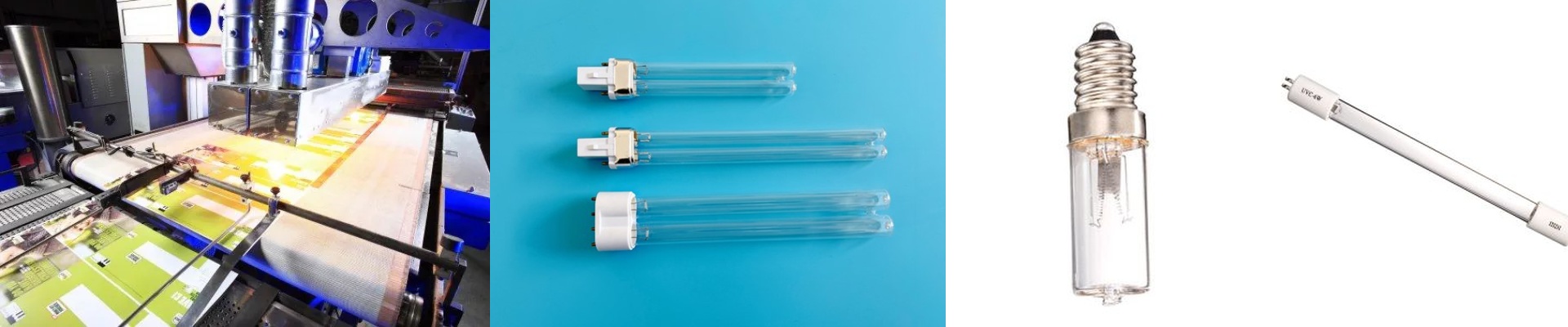
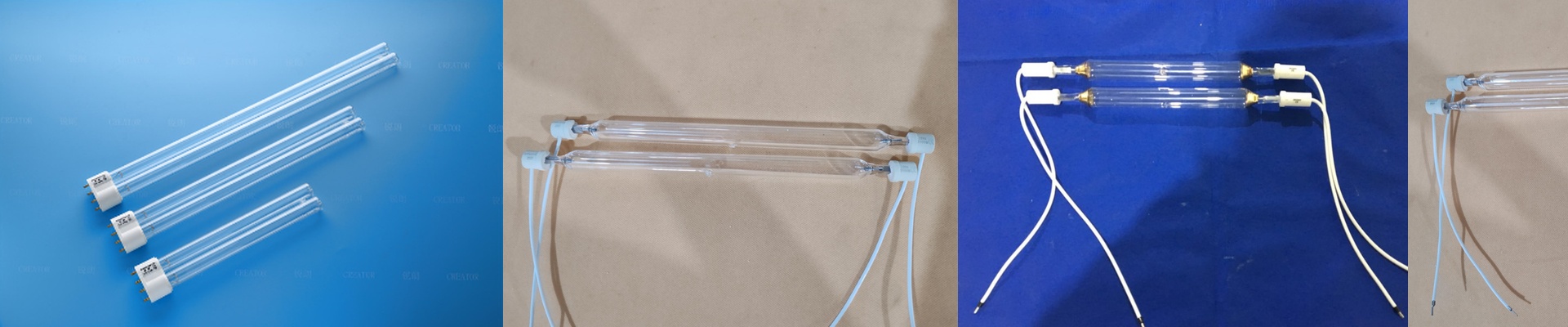
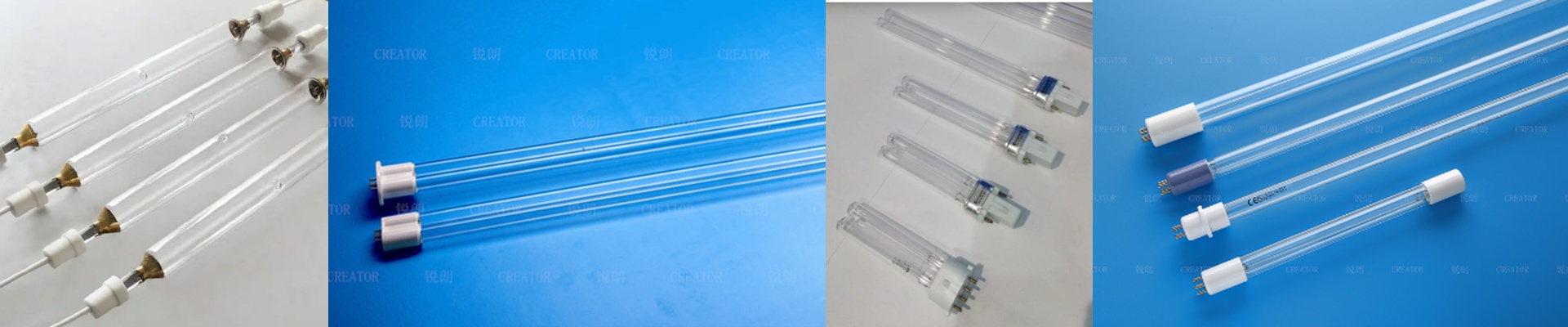
We use a modular chassis, which is basically a fancy way of saying you can grow as you go. If your conveyor gets wider, you just snap in more lamp heads. Simple. We use high-grade quartz envelopes because they let the UV through and don’t freak out under high heat. But a word of warning: these lamps put out a ton of infrared waste. You’ve got to get your cooling right. Whether it’s fans or water jackets, don’t skimp on the airflow. We’ve seen too many engineers cram these into tight boxes only to have the quartz stress and crack. It’s a mess you don’t want to clean up.
Easy swaps, no drama
Nobody wants to spend their Saturday rewiring a control cabinet. That’s why we use standardized connectors. If a module burns out, you just swap it for a fresh one in a few minutes and get back to work. We also make sure the power is spread evenly across the whole array. You don’t want “hot spots” warping your substrate. You just want a consistent, steady cure across the entire web. It just works.