Getting Your UV Setup Right
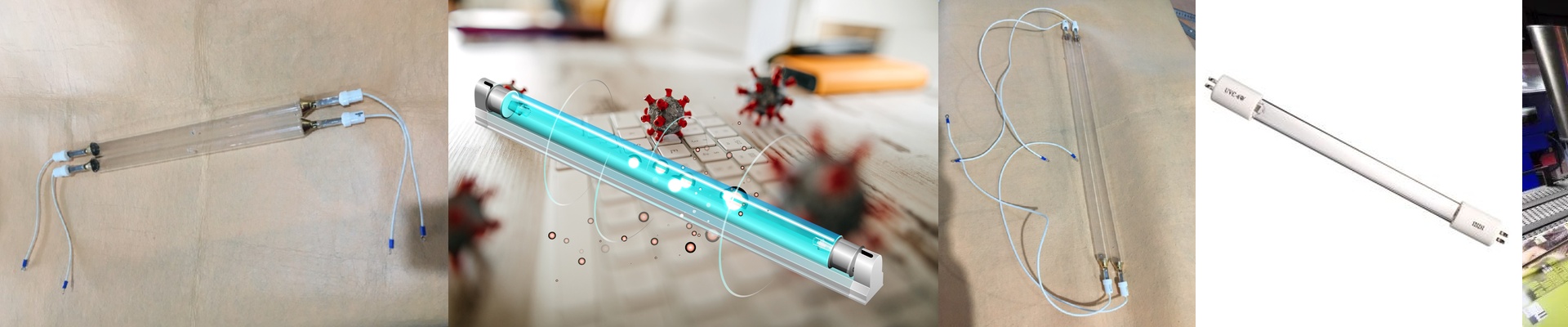
We build UV sterilization systems for the kind of industrial environments where things move fast and there’s no room for error. At its core, it’s all about hitting the right wavelength to either snap the molecular bonds of germs or get a coating to harden instantly.
The Power Side of Things
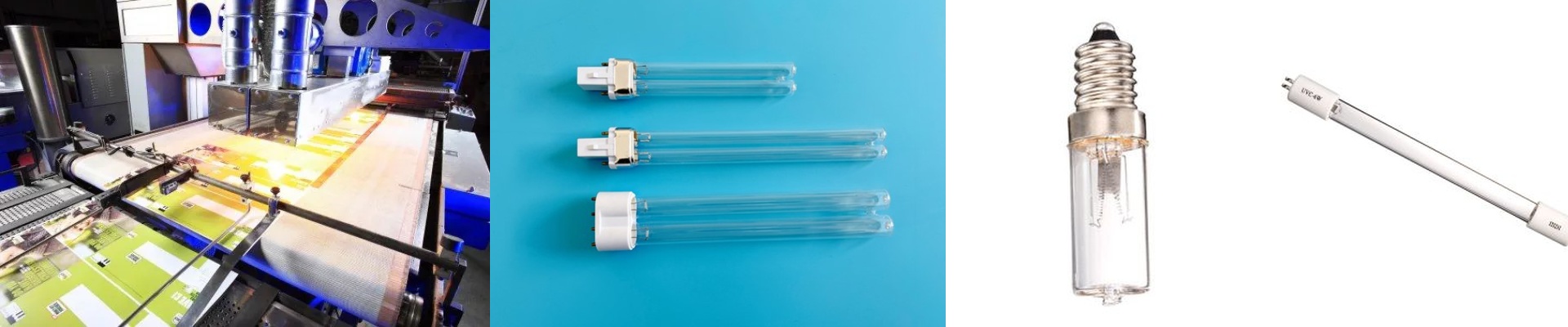
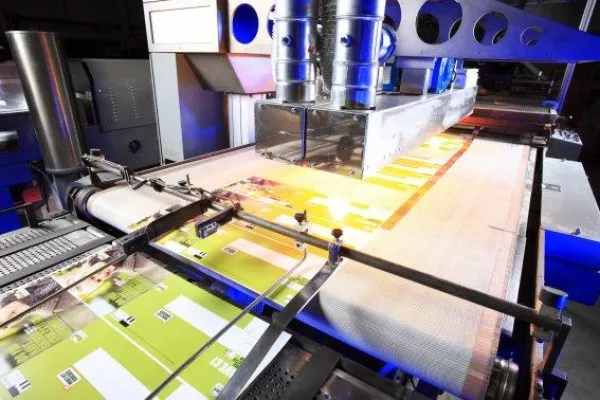
The real secret to a system that actually works is the balance between the lamp’s wattage and a steady ballast. When we’re putting together a heavy-duty curing rig, we’re obsessing over irradiance—basically, how much energy is actually hitting the surface. If you’re dealing with thick films or really stubborn pathogens, you need that high energy density. But here’s the catch: you have to time it perfectly with your line speed. If your belt is flying, you’ll end up with under-cured product. Too slow? You’ll probably scorch your materials. It’s a delicate balance.
The Hardware
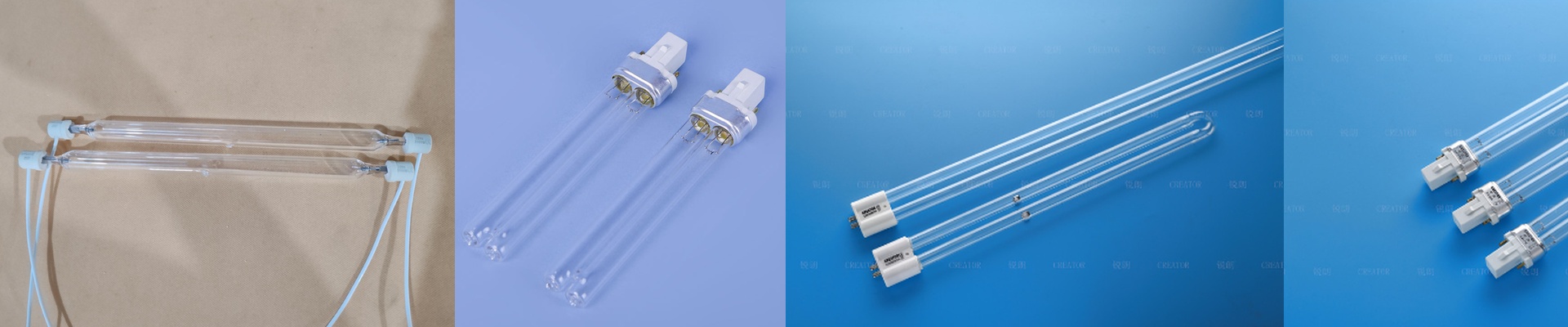
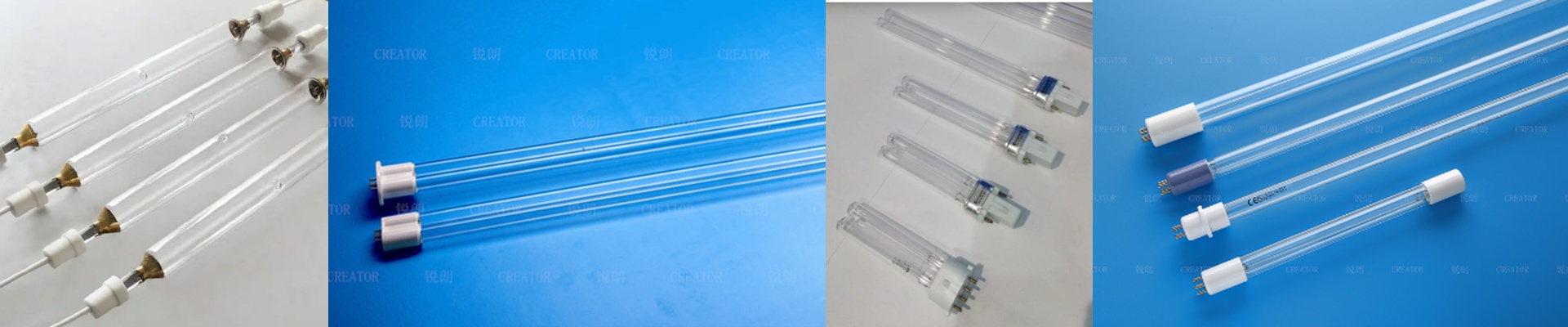
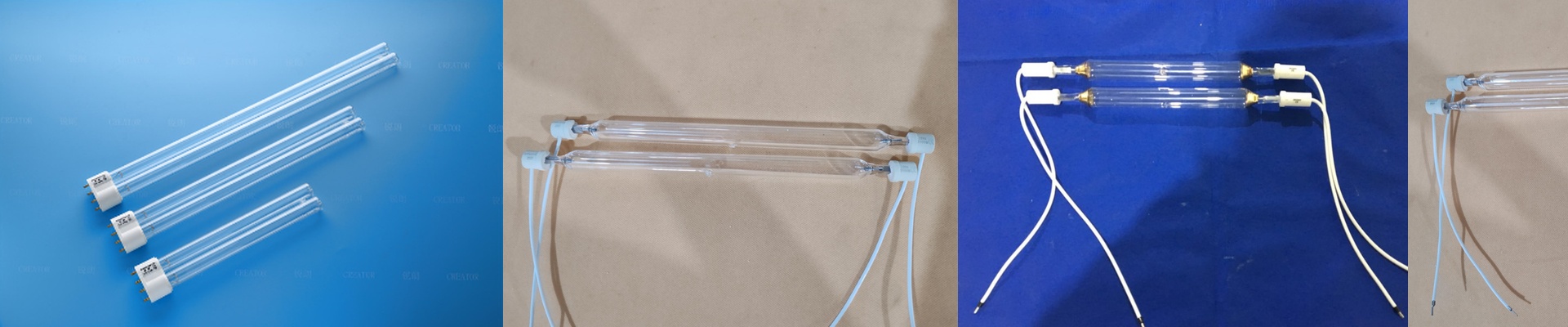
We don’t use standard glass. Why? Because it blocks the very wavelengths we’re trying to use. Instead, we use high-purity quartz to let the UV-C light pour through. We also know that downtime is a nightmare. That’s why we make the connectors easy to swap out. You can get back up and running without a headache. Then there’s the heat. These lamps gethot. Like, really hot. If you don’t pull that heat away, the lamp’s life plummets and your output starts to drift. We solve this by using aluminum heat sinks or forced-air cooling to keep things chill.
The Reality Check
Let’s be honest: high-intensity UV systems aren’t just something you plug into a wall and forget about. They pull a lot of power. If your electricity isn’t stable, you’ll get flicker, and flicker means your curing is inconsistent. Plus, these systems create ozone, so you’ll need to make sure your ventilation can actually handle the extraction. We’re confident our custom lamps hold their own against the big global brands. If the sterilization rate or curing depth doesn’t hit the mark we promised, we’ll give you your money back. Simple as that. We trust the physics.