Getting Your UV Curing Right: The 0.5% Difference
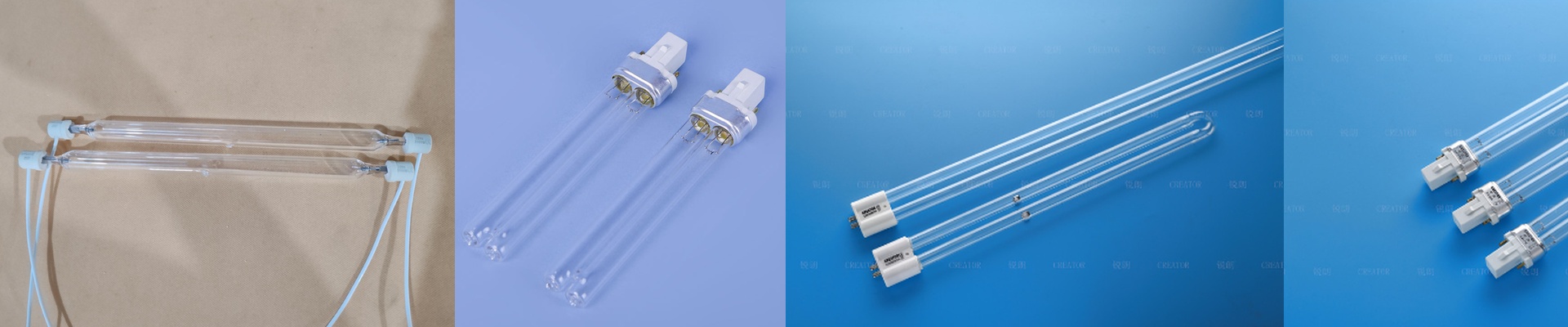
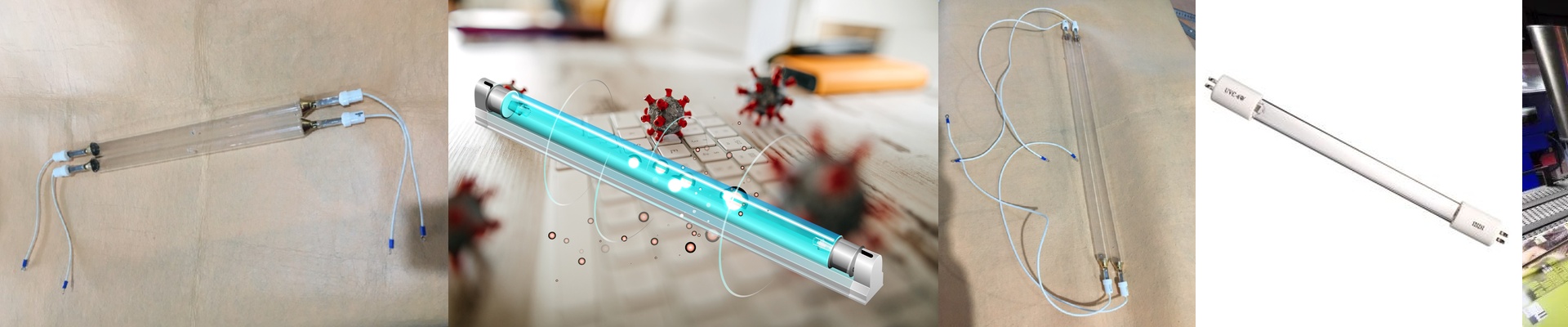
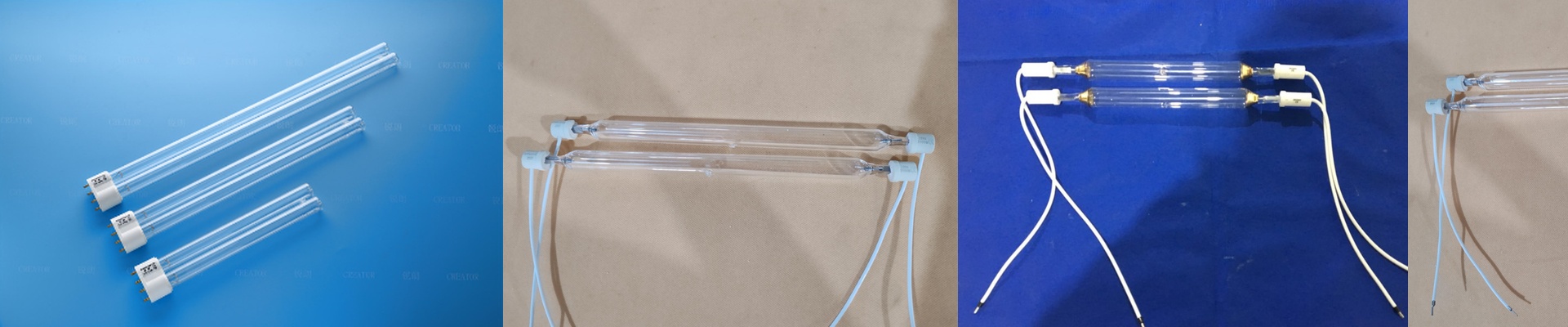
Most mercury UV tubes you’ll find are “broad spectrum.” Which is just a fancy way of saying they throw a lot of light at the wall and hope for the best. But if you’re doing high-precision work, “good enough” usually isn’t. We spent a lot of time obsessing over how to narrow that energy concentration down to a 0.5% variance. This isn’t some marketing gimmick. It’s about the chemistry. Your photoinitiators only react to specific wavelengths, and if your light is all over the place, your cure is all over the place.
The nitty-gritty of the physics
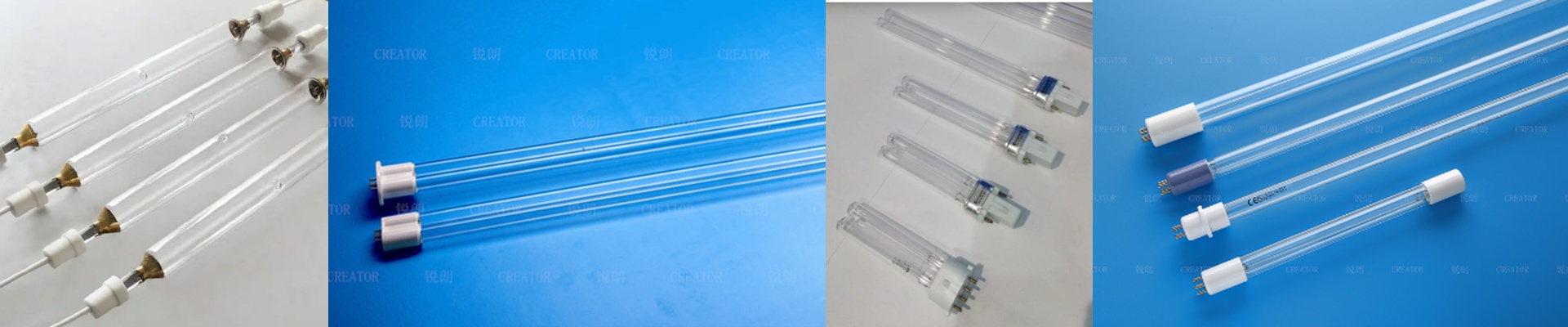
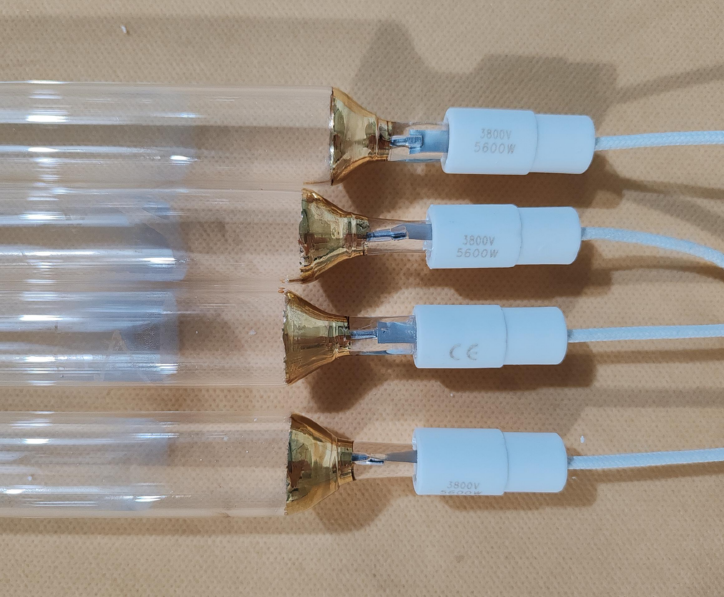
To get that 0.5% target, we had to rip things apart and start over. First, we looked at the glass. If the quartz envelope has too many impurities, it acts like a filter, soaking up the very wavelengths you actually need. We switched to high-grade fused silica so the light just… gets out. No interference. No surprises. Then there’s the arc. You know how some lamps flicker or feel inconsistent? That’s usually a “wandering arc.” We tweaked the electrode geometry to lock that arc in place. Now, the energy stays steady from one end of the tube to the other.
Life span vs. Burn out
Here’s the struggle: usually, if you want a tube to last longer, you run it cooler. But run it too cool, and your UV intensity drops off a cliff. We found a middle ground by playing with the wall thickness of the tube. It lets the heat escape better, but keeps enough pressure inside to keep the mercury vapor excited. One heads-up, though. To keep this level of precision over thousands of hours, you need a clean power supply. Voltage spikes are the enemy here. They warp the spectrum and chew through your electrodes.
Putting it on your line
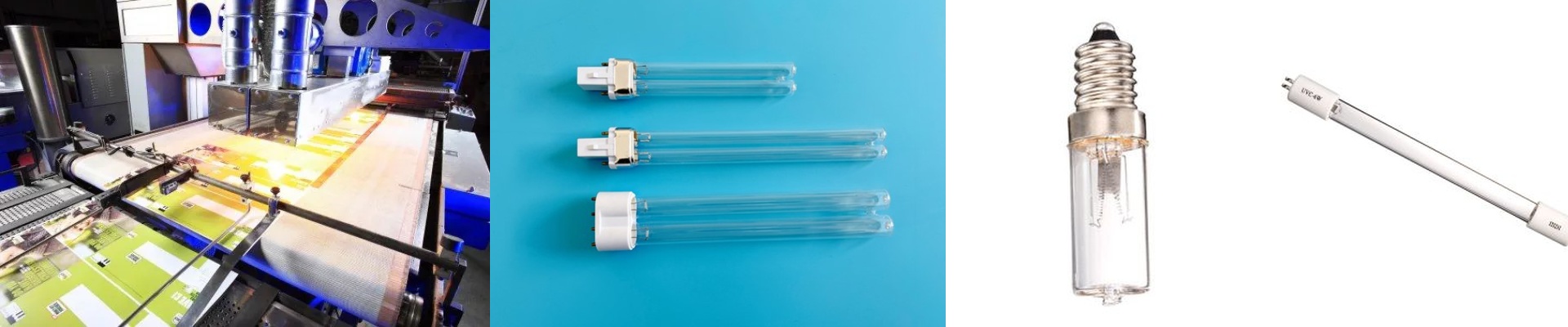
The good news? These are drop-in replacements. You don’t need to rebuild your whole array. Because the energy is so concentrated, you might find you can actually slow down your conveyor or even pull a few lamps out of the bank and still get a perfect cure. Just keep an eye on your cooling fans. If the tubes get too hot, that 0.5% precision starts to drift. Keep them cool, and they’ll behave.