Global Trade of UV Lamps in 2026: Technical Consulting for Print and Curing Process Optimization
We’re not just here to drop off a part. We’re here to roll up our sleeves and become your technical partner for UV system optimization. As we look toward 2026, the global UV lamp scene is shifting. It’s moving away from the simple swap of hardware and toward a more integrated, process-focused approach. Our whole goal? To help you build a curing line that’s rock-solid and pumps out high-quality work, day after day.
Technical Deep-Dive: Power, Voltage, and Dimensions
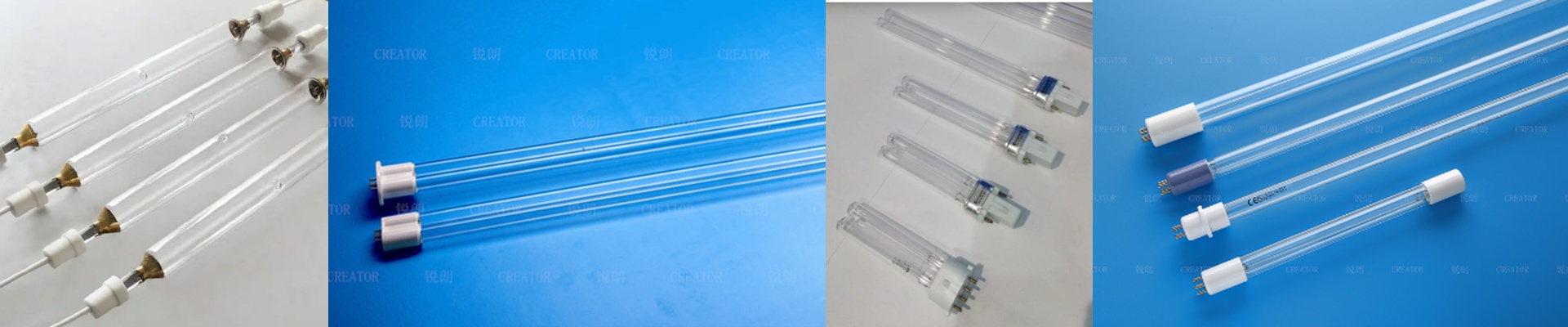
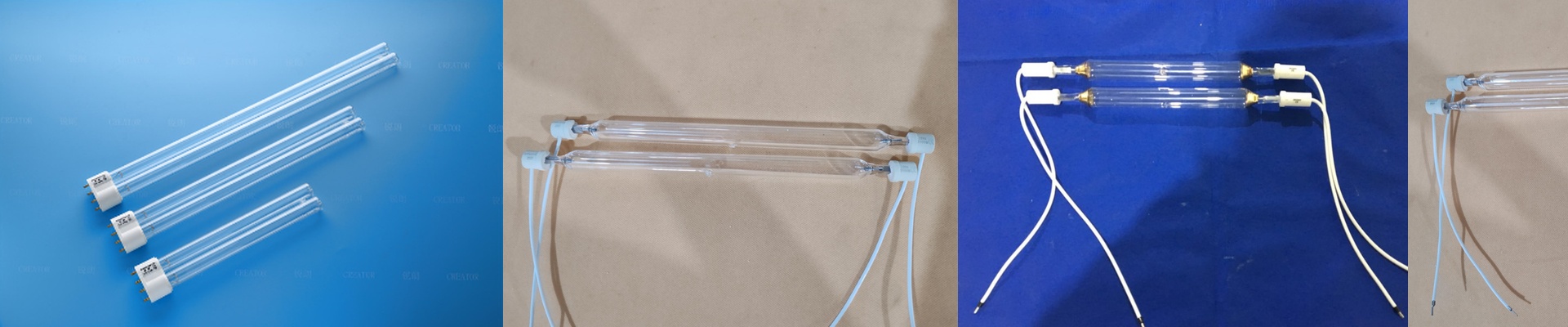
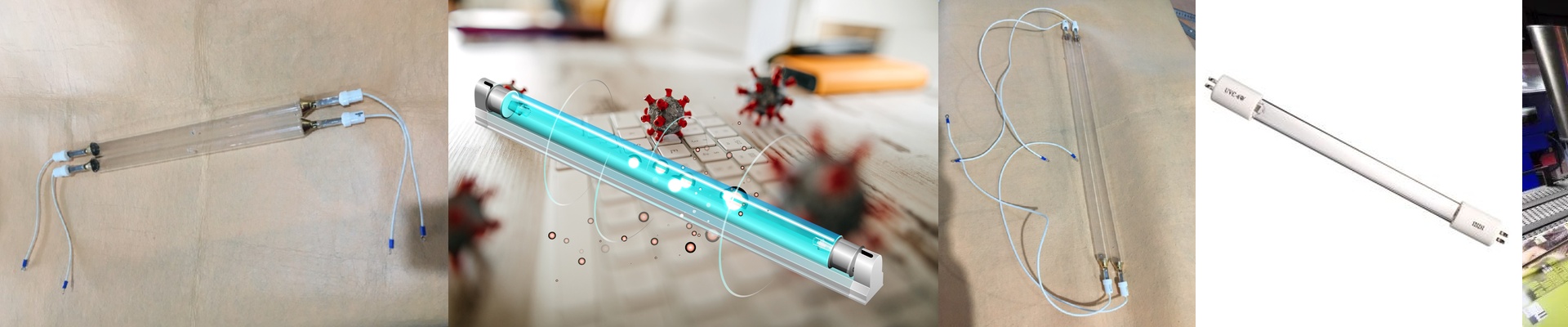
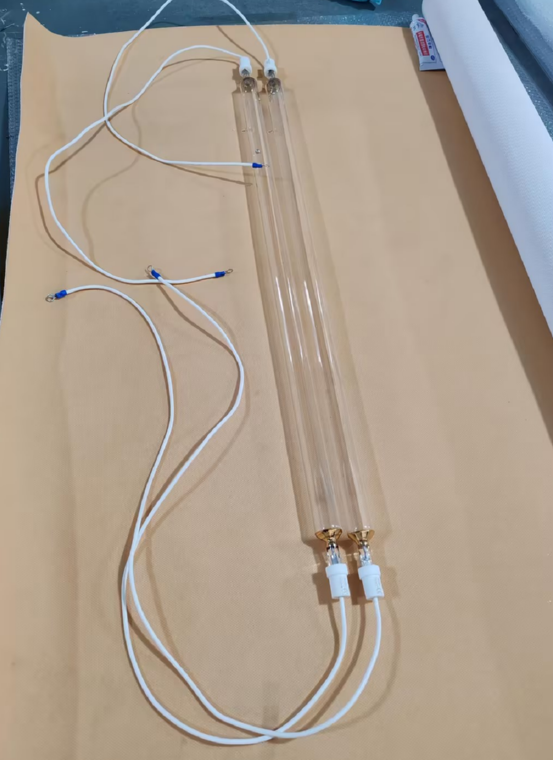
Let’s get into the guts of it. An industrial UV lamp isn’t just some generic bulb you can grab off the shelf. It’s a precision tool, built to manage intense heat and light. We fine-tune our units to deliver a specific energy density across your material, measured in watts per square centimeter. The power rating directly controls your cure speed. More wattage means you can run your line faster, without ever sacrificing the depth of the cure. Voltage is all about matching your facility’s setup. For high-power systems, 400V is the standard. It pulls less amperage for the same power, which cuts down on energy loss and keeps your wiring from getting dangerously hot. And the physical dimensions—the length and arc size—are engineered to fit perfectly with your existing reflectors. This ensures that the maximum amount of light is bounced right back onto the substrate, so you waste less energy.
Material & Design: Quartz, Coating, and Connectors
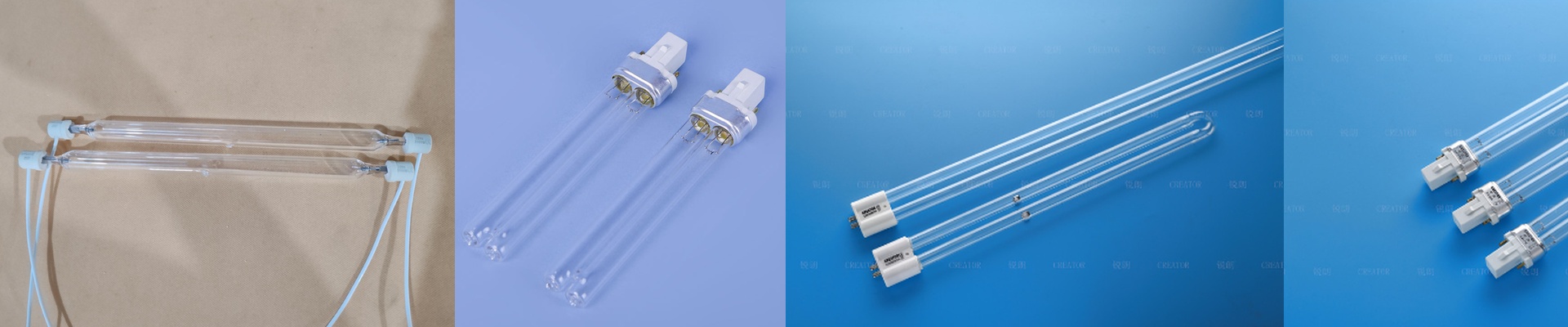
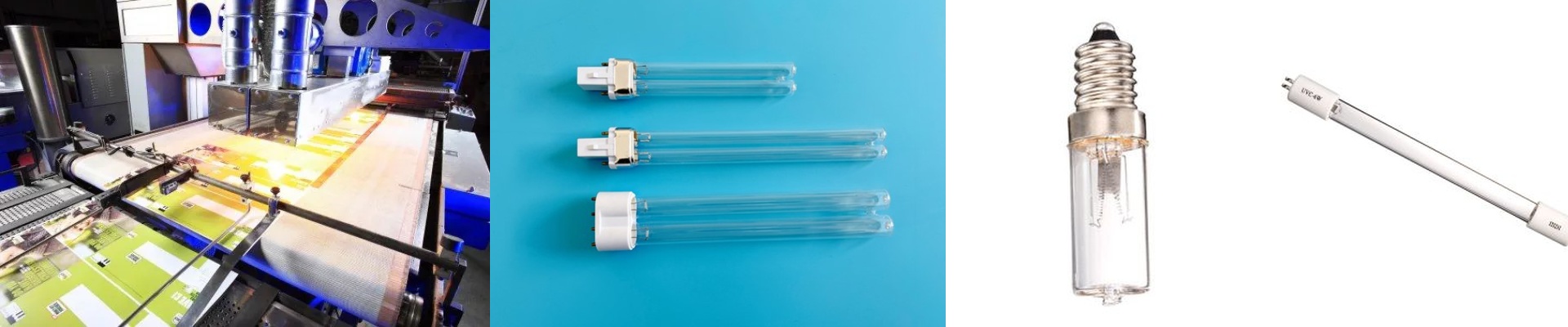
At the heart of every lamp is high-purity quartz. It’s built to handle the extreme temperature swings and keep that UV light flowing strong. We also add a special coating to the quartz. It filters out the unwanted infrared (IR) radiation, which keeps your material from overheating. That’s crucial for heat-sensitive stuff, like thin films. You get all the UV power you need, without the scorching side effects. The connectors, like R7s or SK15, aren’t chosen at random. They’re heavy-duty, designed for high-current and high-temperature performance. They make a rock-solid electrical connection that can take the daily grind of a 24/7 production floor. The payoff? The lamp fires instantly and consistently. No flicker. No ruined print runs.
Application & Benefits: Solving Print and Curing Problems
In printing and textile work, the lamp is the engine of the whole operation. Getting the right setup means you get a deep, even cure across the entire surface. This prevents a whole host of headaches—like adhesion failure, a tacky surface, or yellowing. We’ll help you pick the exact lamp that matches your ink and your line speed. Here’s the thing, though. High-output lamps generate a lot of heat. Your system’s cooling—whether it’s air or water—has to be properly sized to handle it. If the cooling can’t keep up, the lamp will burn out fast. So we work with you to find that sweet spot, balancing the power output with the cooling capacity. The whole system runs as one reliable, drop-in unit that you can count on.