Making UV Lamps That Don’t Trash the Planet
Let’s be honest: traditional UV-C germicidal lamps are a pain. Between the toxic materials and the way they seem to burn out right when you need them, they’re more of a headache than a help. We wanted to change that. We’re moving toward a design that’s actually eco-friendly and lasts long enough that you aren’t constantly tossing old bulbs into the waste stream.
Better Materials, Less Mess
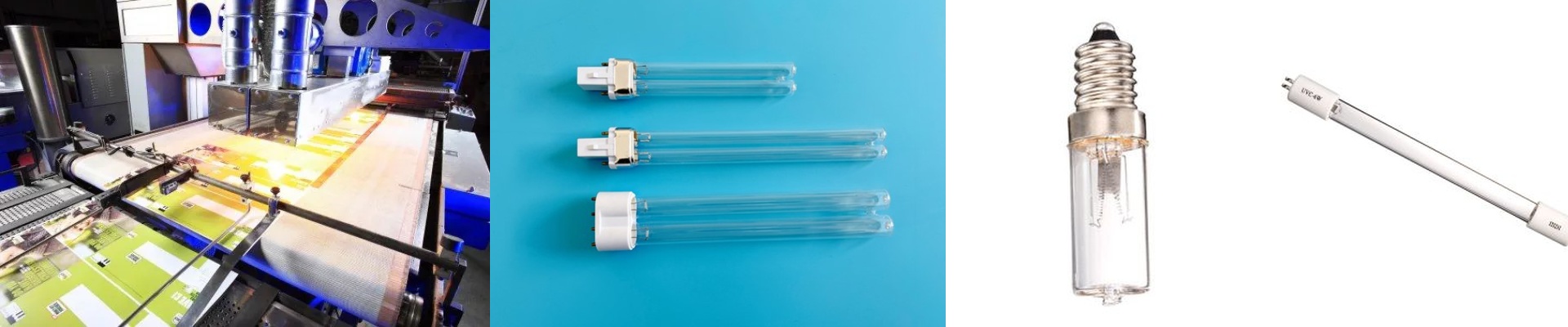
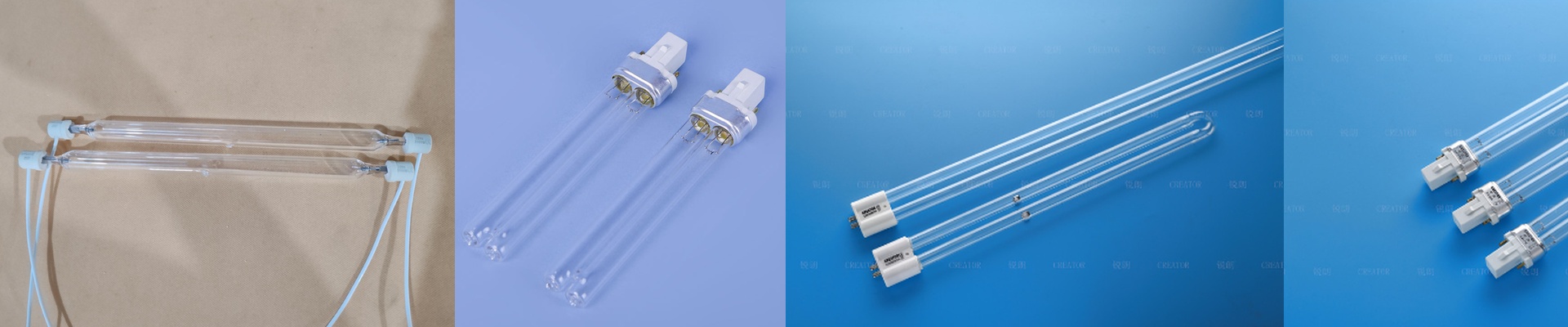
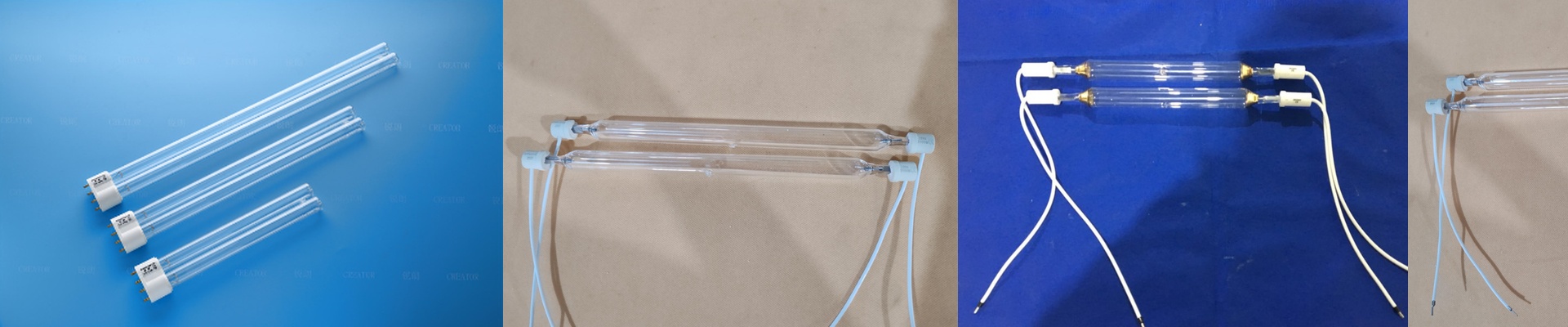
Old-school lamps are often full of stuff that shouldn’t be in a landfill. If one breaks, you’re dealing with hazardous waste and toxic leaks. Not great. We’ve swapped those out for halogen-free and mercury-reduced (or even mercury-free) options. Now, if a lamp fails, you don’t have to panic about a toxic spill. We also use high-purity synthetic quartz for the glass. Why? Because regular glass “clouds over” over time—a process called solarization. When that happens, the UV light can’t get out. By using this quartz, the glass stays clear, and that 254nm peak wavelength stays strong for a lot longer.
Stopping the Burn-Out
There is nothing worse than the downtime that comes with frequent lamp swaps. It’s a waste of time and a waste of money. We spent a lot of time tinkering with the electrode chemistry to stop the lamps from dying early. We optimized the cathode emission layer to stop “sputtering”—that annoying effect where metal deposits build up on the inside of the glass. This keeps the light output steady for thousands of hours. One quick heads-up, though. These long-life lamps are a bit pickier about power. If your ballast has a high ripple current, the lamps will still wear out fast. To get the full lifespan we’re talking about, you’ll want to use a high-frequency electronic ballast. It’s a small detail, but it makes all the difference.
Simple Setup and Real Safety
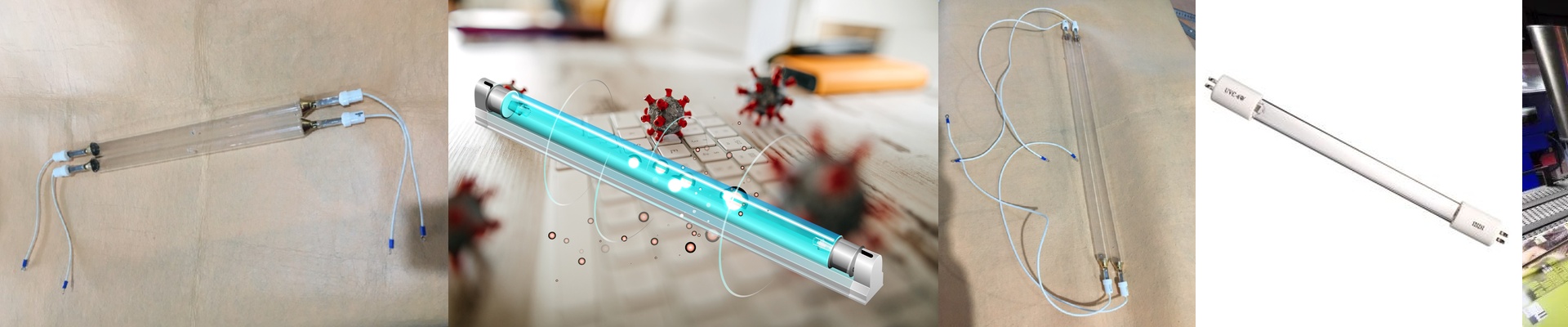
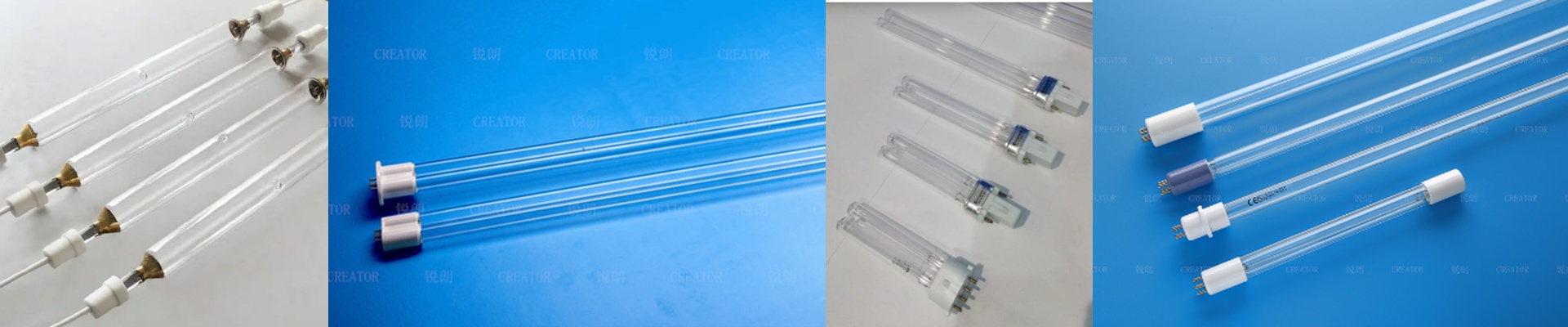
We didn’t want to make you rip out your entire system just to go green. These lamps are designed to be drop-in replacements. The bases and pins match the global standards, so they just fit. No weird wiring, no electrical shorts, no stress. But the real win isn’t just for the planet. When you aren’t swapping bulbs every few months, your technicians aren’t constantly exposed to UV radiation or mercury vapors. It’s just safer. We built these for stability and longevity, not for a quick replacement cycle.