Making Sense of 80W/cm Mercury UV Systems
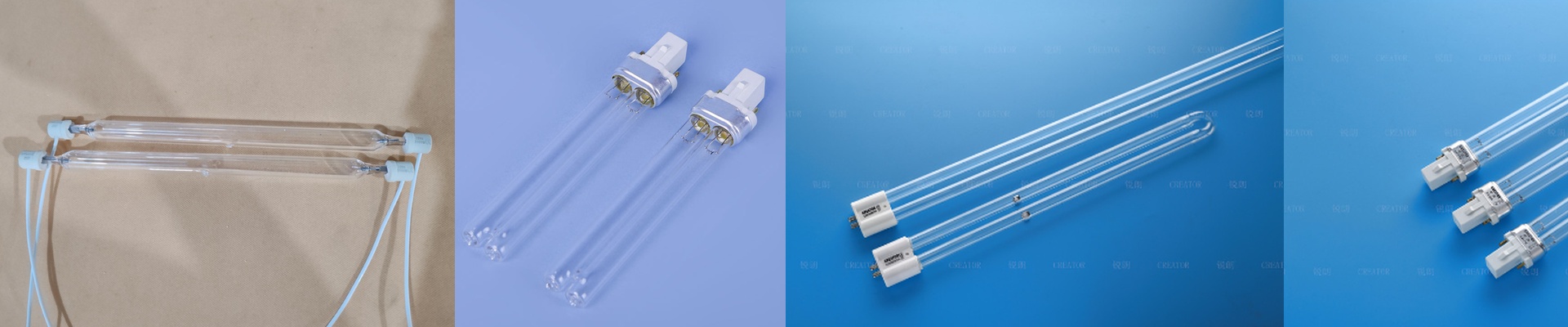
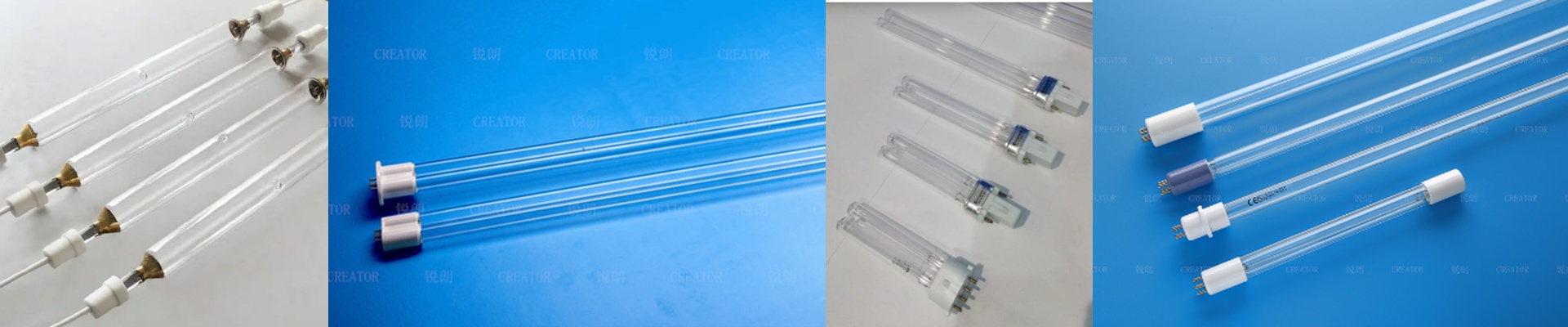
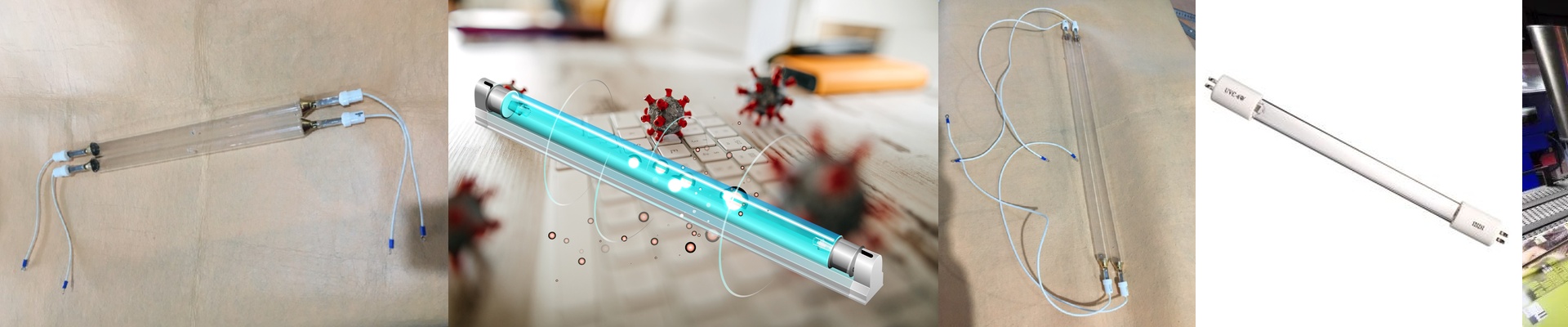
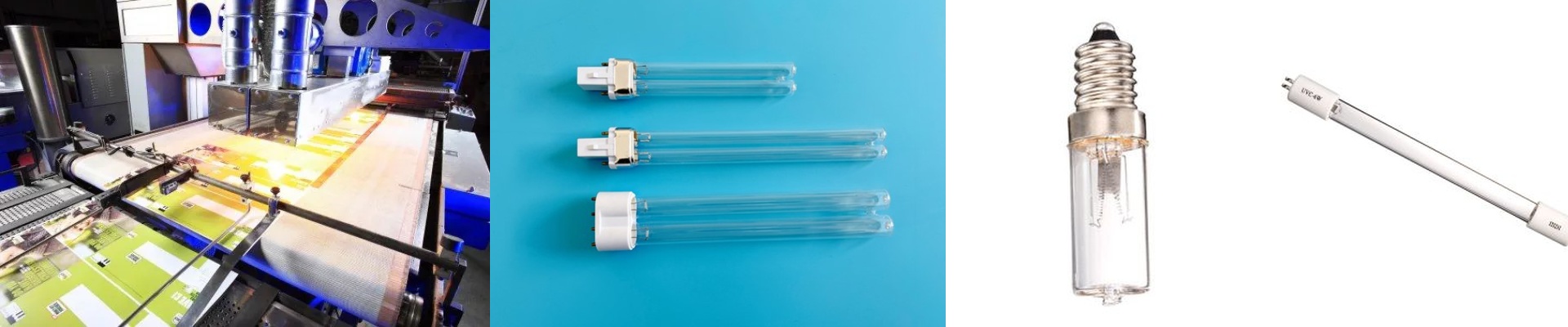
If you’ve spent any time on a production floor, you know the 80W/cm mercury UV lamp. It’s the old reliable. The workhorse. We’ve used them for years because they just get the job done, but let’s be honest—the way we manage them is getting a bit outdated. The goal now isn’t to reinvent the lamp, but to stop the guessing game. No more wondering if a bulb is about to pop right in the middle of a huge run.
The Heat Factor
Here is the thing about 80W/cm: you’re cramming a massive amount of energy into a very small space. It’s powerful. It cures inks and adhesives in a blink. But that power comes with a catch.Heat. A lot of it. If your cooling fans decide to quit or your reflectors start to warp, your lamp life takes a nose dive. You can’t just plug these things in and walk away; you have to make sure your cooling system can actually handle the sweat.
Stop Guessing, Start Tracking
Lately, we’ve been moving toward “smart” systems. Instead of having someone walk the floor every hour to check things manually, we’re putting sensors right into the power supply. It sounds fancy, but it’s actually pretty simple. We’re just tracking the energy draw on a dashboard. Why does that matter? Because as these lamps age, they change. Their electrical “signature” shifts. By keeping an eye on that power draw, you can see a lamp failing before it actually dies. It’s a simple swap on the power supply side—the tube stays the same, but you finally have a way to see what’s happening inside.
The Trade-off
Now, it isn’t all sunshine and rainbows. Adding this kind of monitoring means your wiring gets a bit more crowded. You also need a solid network connection on the shop floor, which isn’t always a given. Plus, a “smart” ballast costs more upfront than a “dumb” one. But you have to ask yourself: what’s more expensive? A slightly higher initial bill, or the chaos of an unplanned production stop because a lamp burned out at 3:00 AM? For most of us, the choice is pretty clear.