Making 120W/cm Mercury UV Systems Actually Work for You
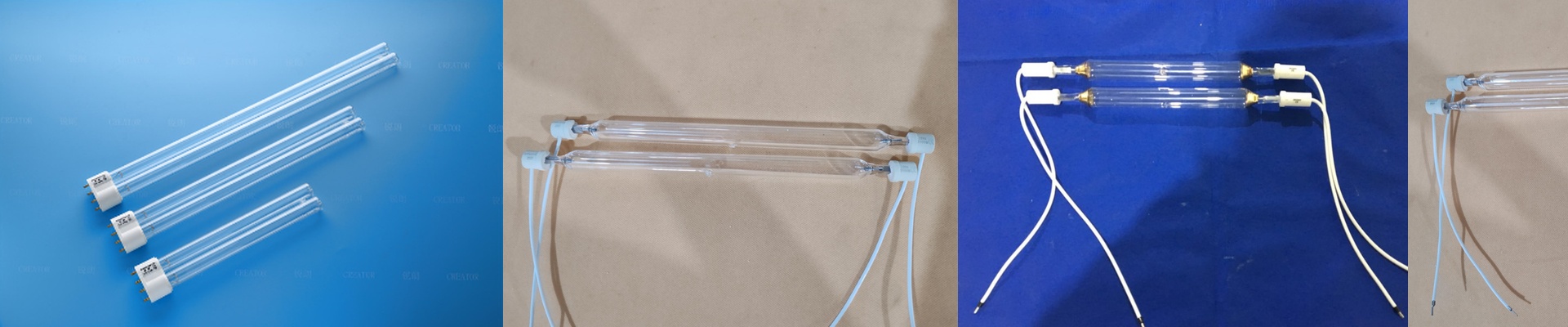
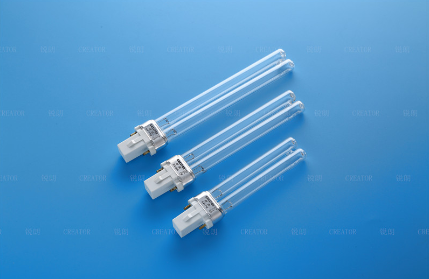
If you’ve spent any time in industrial curing, you know the 120W/cm mercury lamp. It’s the old reliable. We lean on these things because they hit hard and fast, making sure coatings and inks cross-link exactly when they should. But let’s be honest: for a long time, we’ve been flying blind.
The Heat Problem
When you’re pushing 120W/cm, things get hot. Really hot. To keep that UV spectrum stable, the mercury vapor has to be just right. You need a ballast that can handle the strike voltage without any of that annoying flickering. But here is where people usually trip up: the cooling. If your airflow isn’t dialed in for this kind of heat, your quartz envelope is going to stress out and burn out way too soon. I see it all the time. Engineers focus on the power but forget that heat has to go somewhere.
Stop Guessing, Start Monitoring
For years, these lamps have been “dumb.” You flip the switch, hear it hum, and just hope you’re getting the irradiance you need. We’re changing that by putting IoT sensors right into the power chain. Now, you can keep an eye on current draw and voltage swings from your phone or a screen across the room. It means you can spot a lamp that’s starting to fade before it actually dies and kills your production line. No more replacing bulbs just because the calendar says it’s Tuesday. You replace them because the data shows they’re actually wearing out. It’s a much more relaxed way to handle maintenance.
The Reality Check
Now, don’t get me wrong. A smart sensor isn’t a magic wand. It won’t stop a mercury arc from getting hot, and it definitely won’t stop your quartz from getting filthy if your shop is dusty. The sensor will tell you the lamp is losing efficiency, but it’s still up to you to keep the equipment clean. To really make this work, you’ll want to wire everything into a centralized PLC. It’s a simple enough upgrade on the power side, but it does mean changing how you run your floor. It’s less about “checking the equipment” and more about “listening to the data.”