
Why Your UV Lamps Aren’t Actually Curing Your Ink
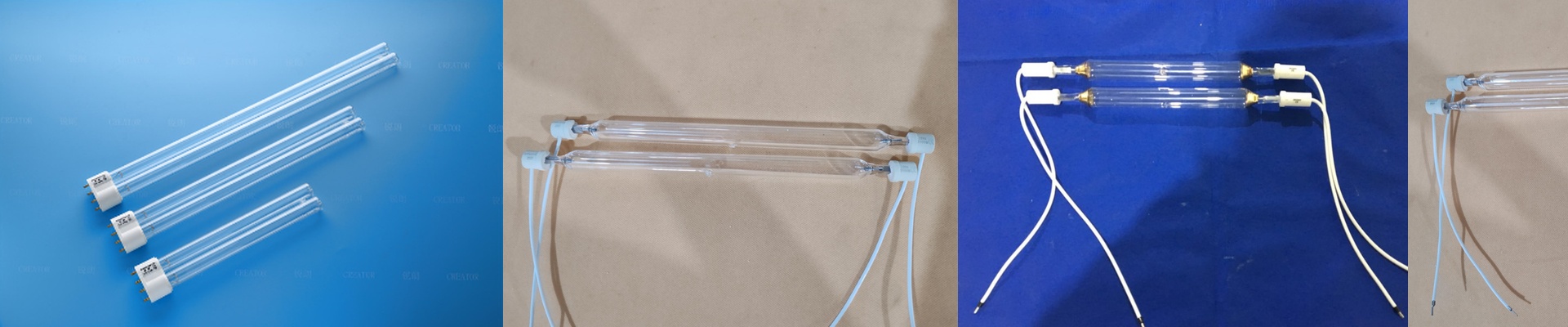
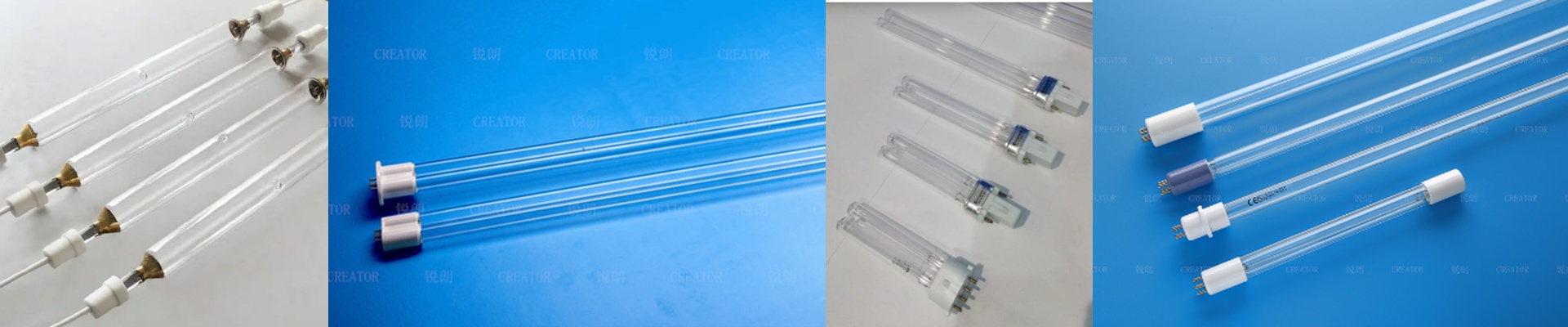
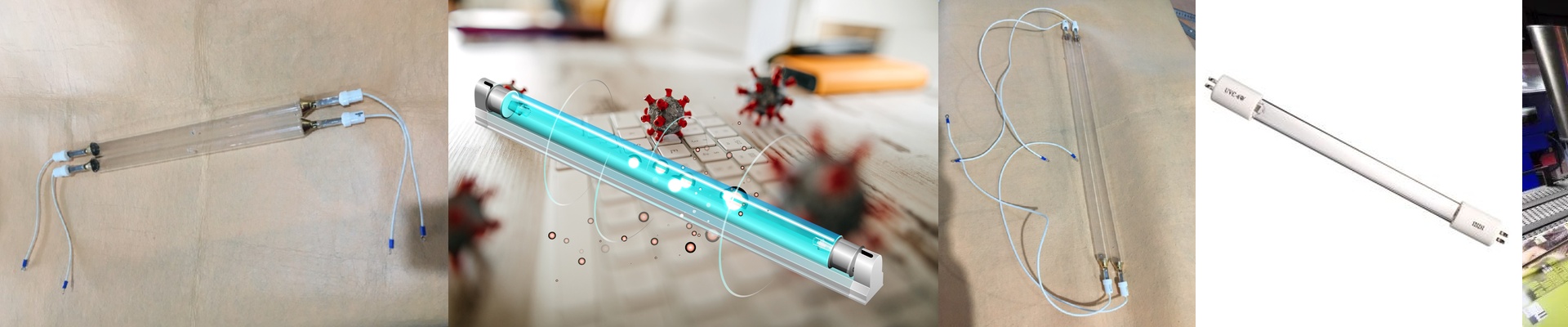
We’ve spent a lot of time walking the floors of about 3,000 different printing plants. If there’s one thing we learned, it’s that standard UV lamps just can’t keep up with modern production. You’ve probably seen it happen: the ink looks dry on top, but the bottom layer is still a gooey mess. It’s called “skinning,” and it’s a nightmare. Most people think they just need more wattage, but that’s not the problem. The problem is the light itself isn’t reaching the bottom of the ink. That’s why we started using Gallium Iodide (GaI) in our lamp arcs.
The secret is in the wavelength
Standard mercury lamps usually peak at 254nm. That works great if you’re dealing with a thin coating. But once you start using thick inks or heavy pigments, that light just bounces off the surface. It can’t get inside. By adding Gallium, we shift those peaks toward 300nm to 350nm. Think of it like switching from a flashlight to a spotlight that can actually punch through the ink. You get a full cure, from the top all the way down to the substrate. No more wet bottoms.
No “off-the-shelf” nonsense
We don’t do one-size-fits-all. Every shop is different. We tweak the tube length and electrode spacing based on how fast your conveyor is moving. If you’re running a high-speed line, we crank up the power density. You need that ink to set now, before the piece moves an inch further down the line. But here is the catch: Gallium lamps run hot. Really hot. If you try to slide these into a rig with a weak cooling system, you’re going to have a bad time. You’ll end up warping your materials or frying your reflectors. Just make sure your chillers are up to the task before you flip the switch.
Getting it running
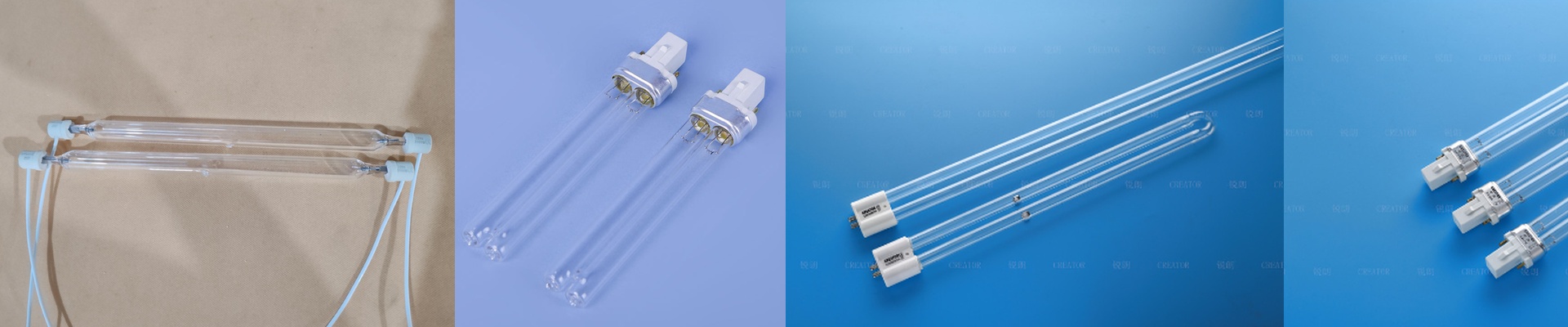
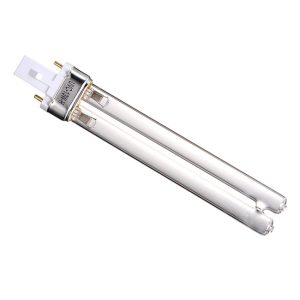
We designed these to be simple drop-in replacements. We use heavy-duty quartz envelopes because we know print shops are dusty, loud, and rough on gear. We also tighten the connectors extra hard so they don’t shake loose when the machinery starts vibrating. The process is simple. Wire it to your current ballast, set your line speed, and feel the ink. Still tacky? Just let us know. We’ll adjust the Gallium concentration in your next batch to match your specific ink chemistry until it’s exactly right.