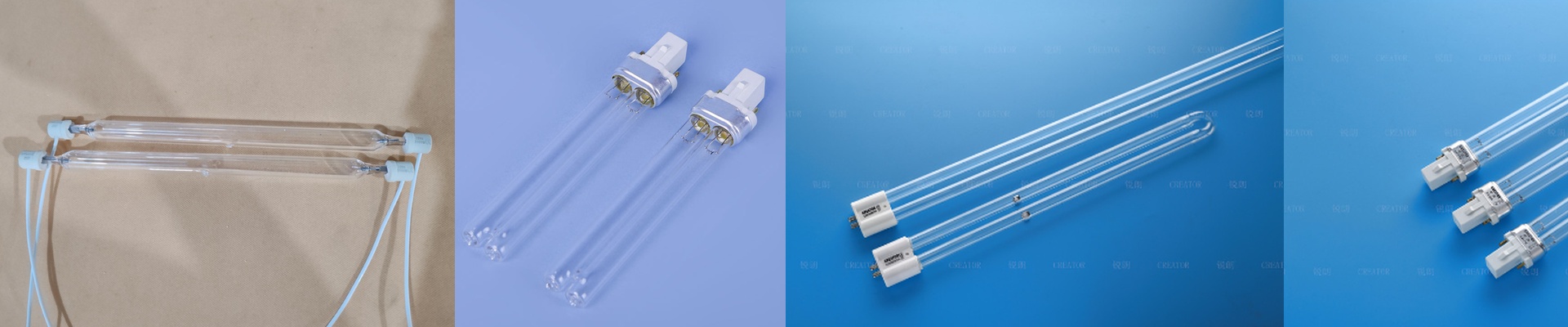
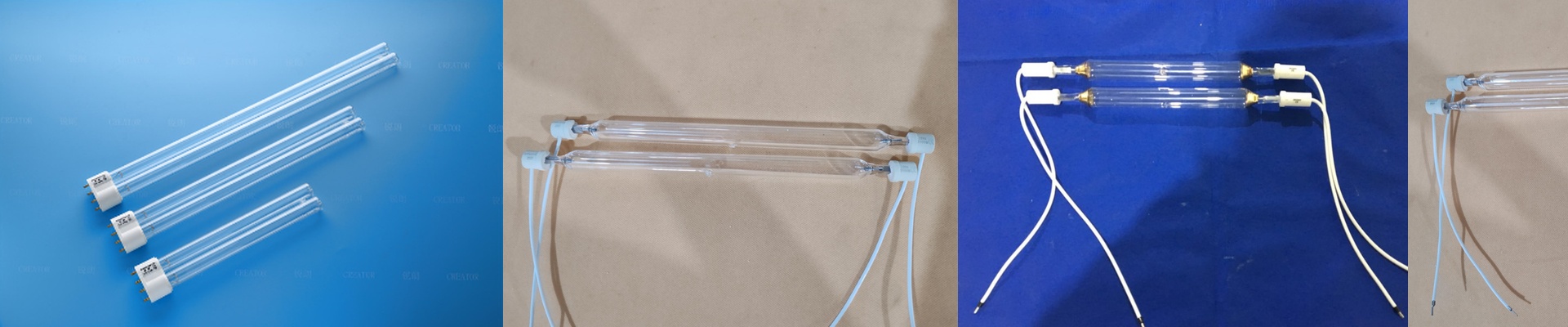
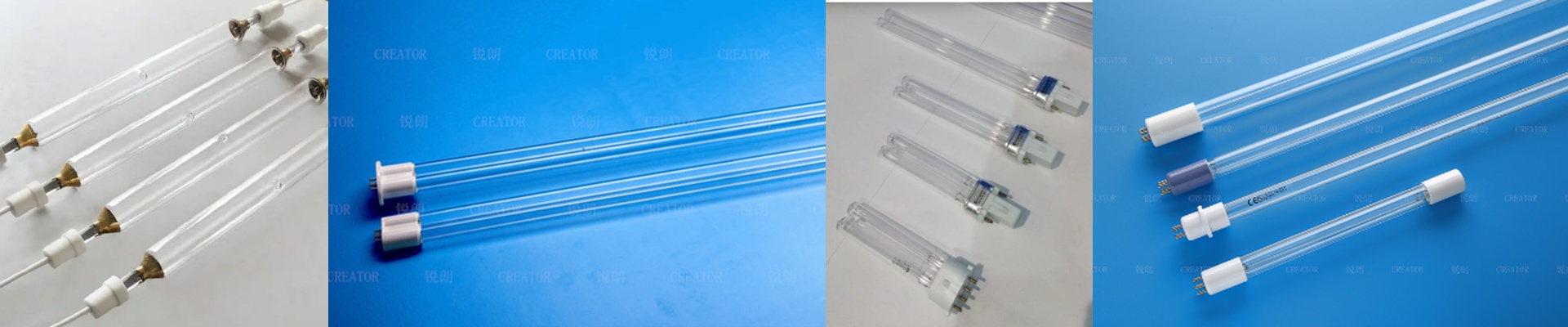
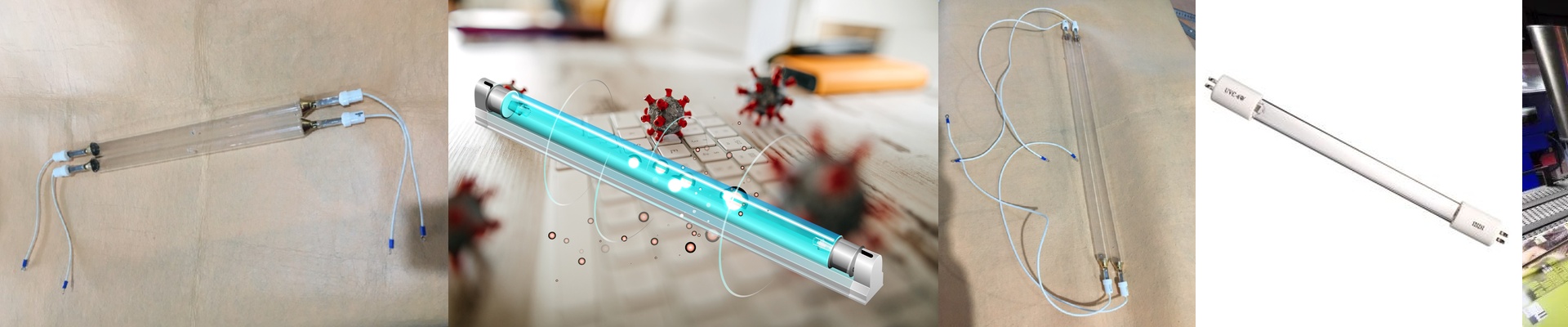
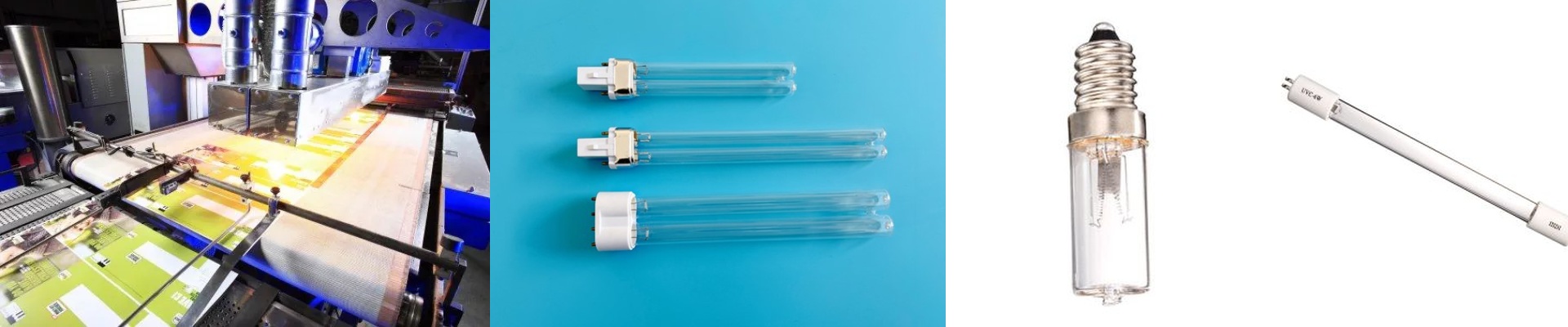
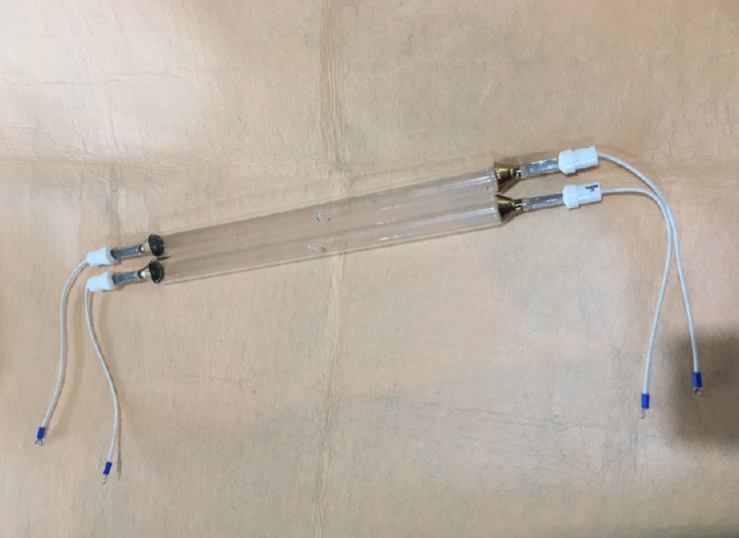
On the floor, downtime and uneven cure are the two things that will kill your throughput and quality in a heartbeat. When a gallium iodide lamp starts to fade, the spectrum drifts, photoinitiators don’t fire the way they should, and the reject pile grows fast. We built our custom UV lamp system to replace gallium iodide without cutting corners, zeroing in on the failure modes that actually matter: spectral drift, lamp-life decay, and energy that gets wasted. What matters, technically We match and beat gallium iodide performance with stable spectral output at 365nm, 385nm, and 405nm, held to ±2nm. Peak irradiance lands at 2.8–3.2 W/cm², putting 1,200–1,800 mJ/cm² across the web so offset, flexo, and screen inks cross-link fully. The lamp runs at 800–1,200 W/cm, using ozone-free quartz and a dichroic-coated reflector that keeps reflectivity above 85% for 3,000 hours. You can plan on 5,000+ hours with under 5% output drop, backed by a documented warranty and a clear replacement payout if performance falls off within the term. Why it holds up in real production This setup is built for the way you actually run jobs. Curing speed stays steady from 100–600 m/min without hot spots. Energy draw is lower than gallium iodide at the same irradiance, and warm-up is quick, so short runs don’t have to cost you. It drops into standard presses like Heidelberg, KBA, Gallus, and others, with repeatable lamp positioning and connector specs that match OEM footprints. The payoff is fewer rejects, predictable makeready, and a cure profile that doesn’t drift between shifts. Here are the details that keep you out of trouble Installation comes down to alignment and clean reflectors. Even a 1mm offset can knock irradiance down 8–12%. Before you switch over, confirm power supply voltage, water-cooling flow rate, and the connector pinout. If your press has older optics, a reflector refresh will help you squeeze the most out of the spectrum. And if you’re running heat-sensitive substrates, check thermal load with your ink supplier—high irradiance still creates surface heat that has to be managed.