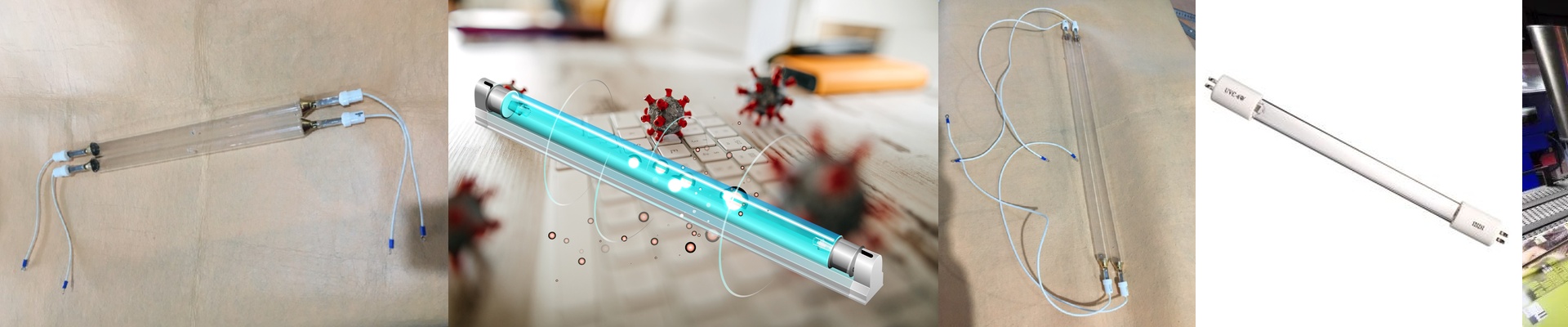
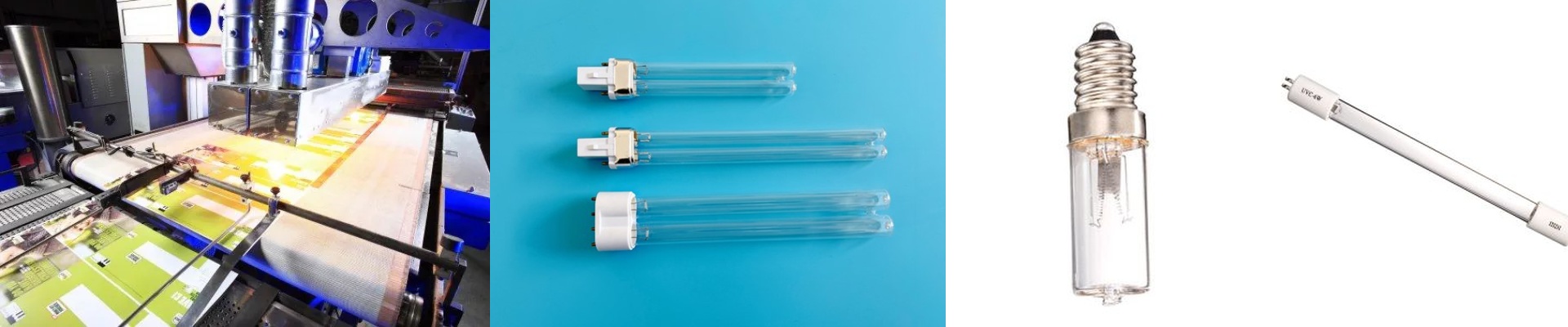
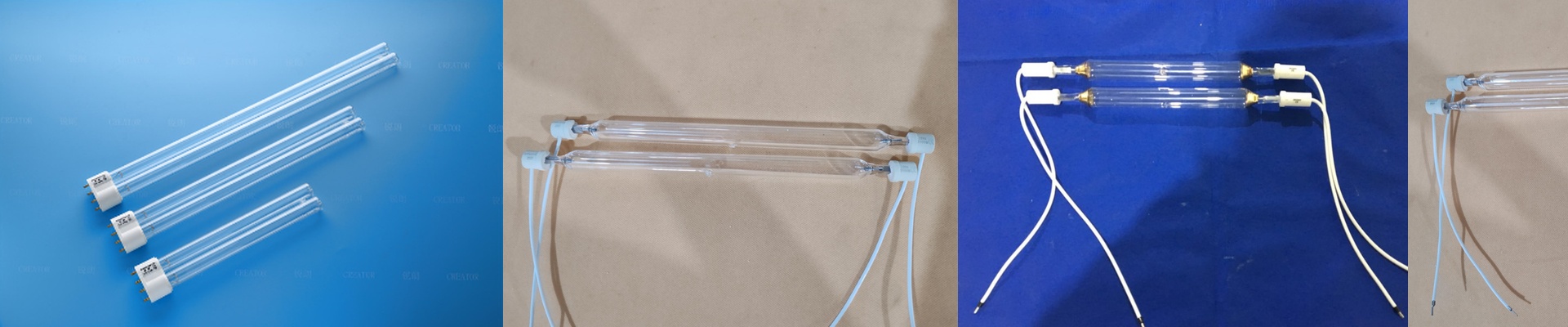
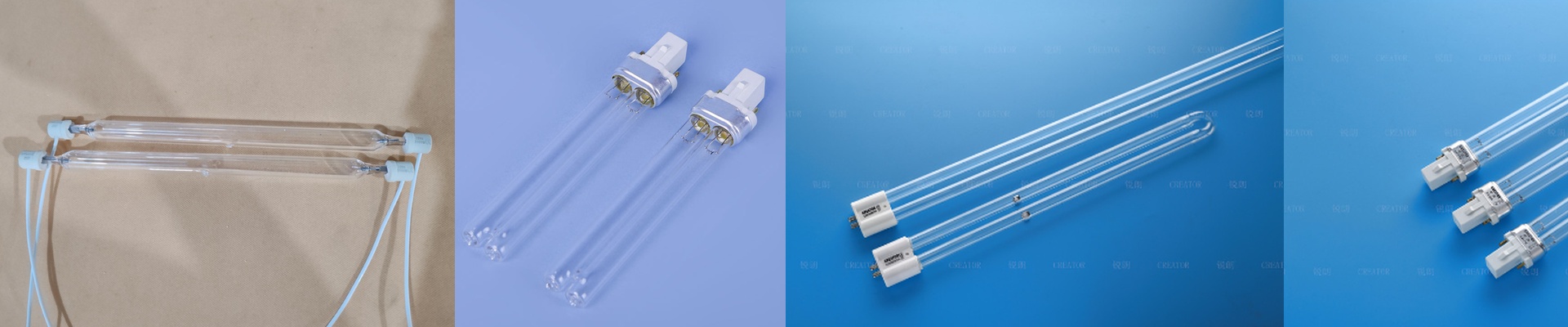
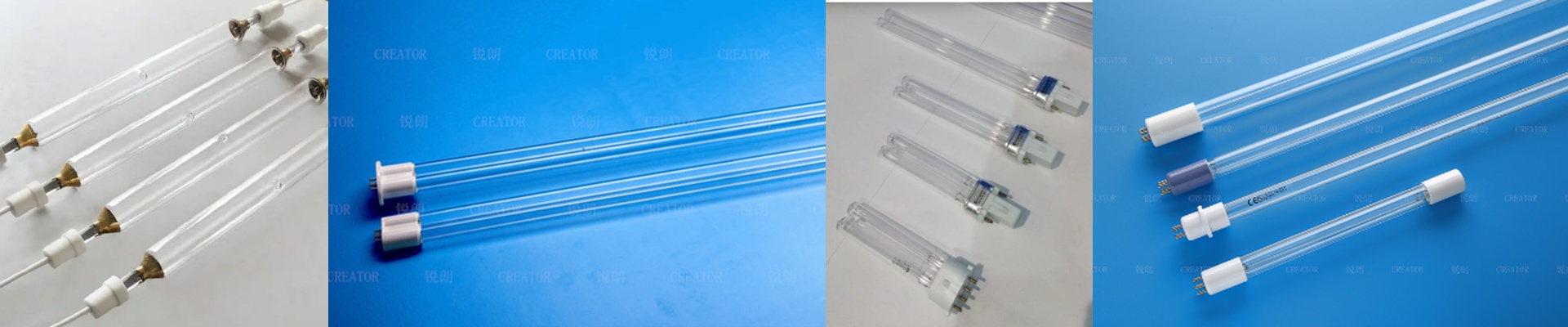
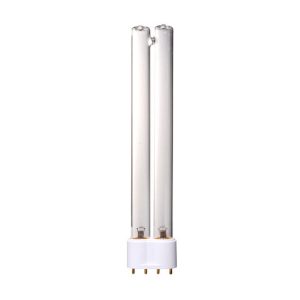
On the floor, total cost isn’t what you paid at the invoice. It’s the lamp changes that stop the line, the scrap that piles up when the dose is shy, and the kilowatt-hours that hit you at the end of the month. Run disinfection lines or air and surface treatment gear, and it’s the same story: if output drifts and lamp life is short, margins get ground down fast. What matters, technically Our Deep UVC germicidal lamps are built around stable output at 254nm, where germicidal action is strongest. We hold peak irradiance within tight tolerances, keep spectral output consistent along the length, and manage thin-film degradation so output doesn’t collapse early. The quartz envelope and electrode design deliver long life with low decay, and the lamps are made to handle repeatable ignition cycles without losing output stability. Why this plays well in the real world Controlling the process from quartz to final test shows up where it counts. You get a price that makes volume deployment feasible, and you don’t pay for that with performance trade-offs. Consistent dose means microbial kill rates stay predictable, so audits pass without drama. Fewer lamp swaps translate to higher uptime and less labor. Energy use stays tight because the lamp hits the required irradiance without over-driving the current, so operating cost per unit stays low. Here is what you need to keep straight Deep UVC output is sensitive to how the system is run. For stable performance, match the ballast to the lamp, keep reflectors clean, and track cumulative hours. Output falls as the lamp ages, so set replacements based on measured irradiance, not just a calendar. And don’t cut corners on shielding and interlocks for operator safety — also confirm the lamp fits your fixture’s connector and thermal envelope.