Getting Your UV Curing Right: Why “Off-the-Shelf” Usually Fails
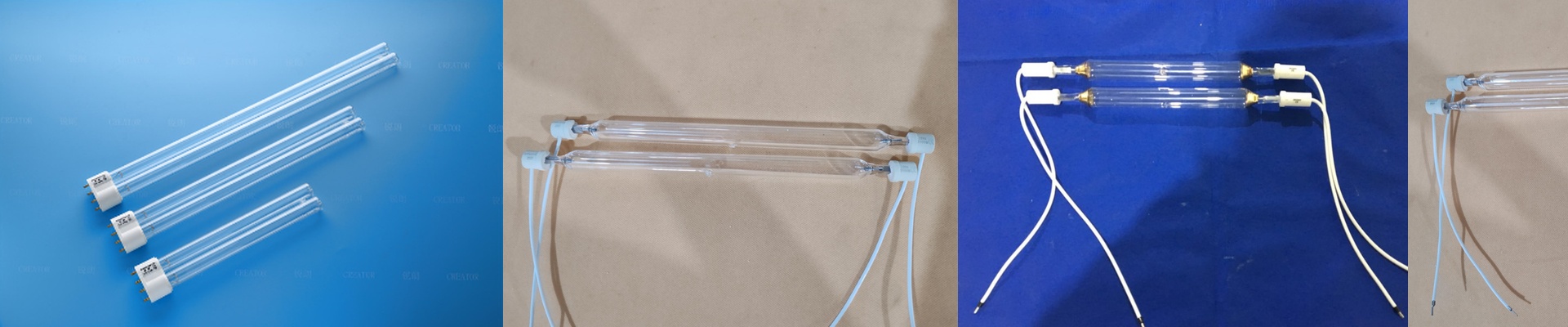
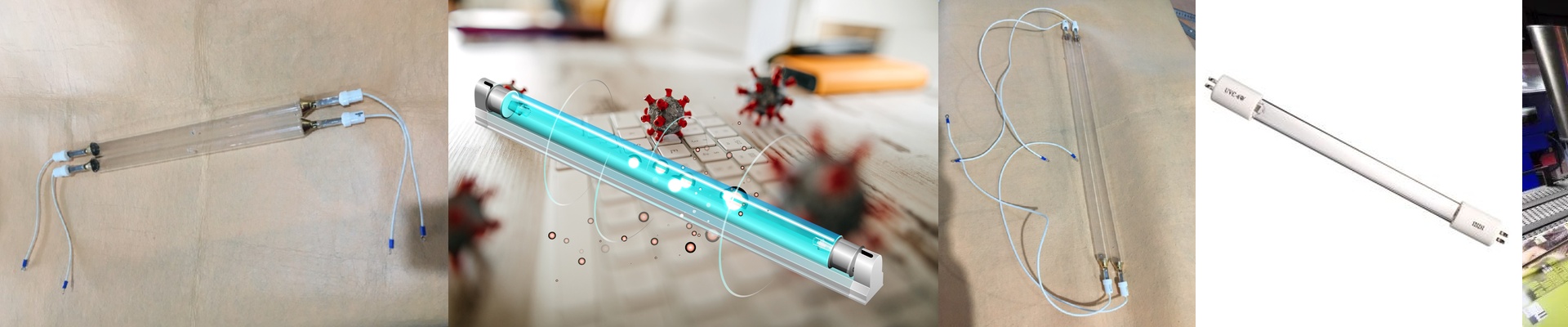
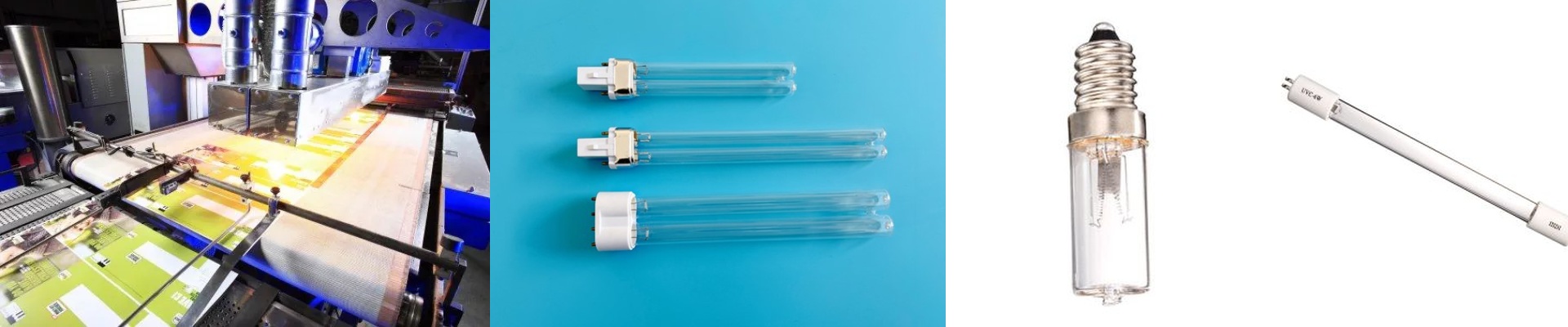
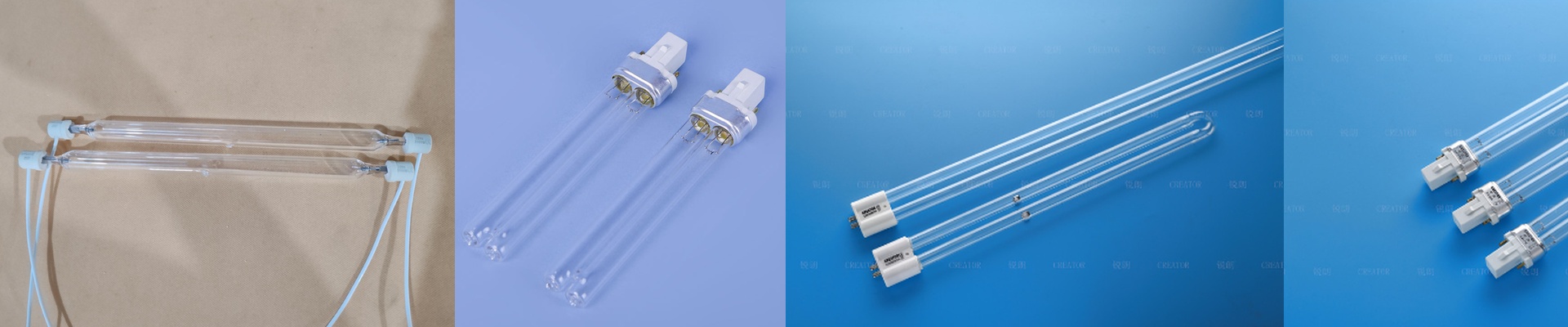
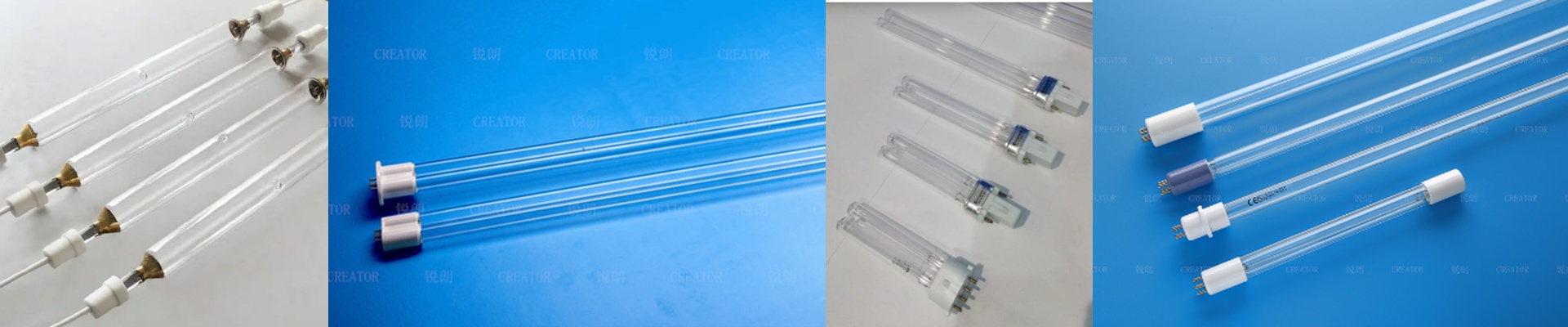
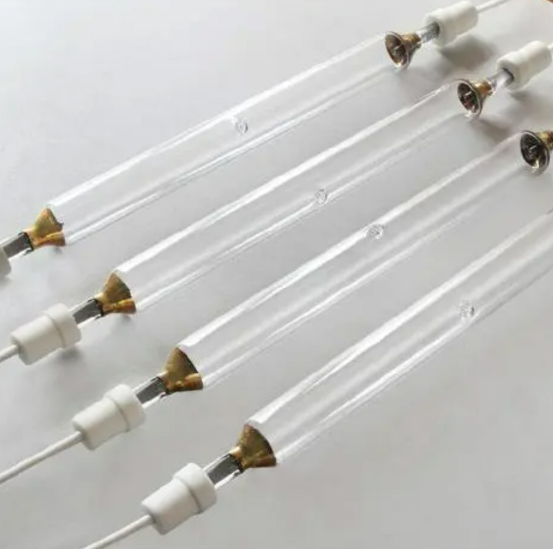
Standard mercury UV bulbs are the old reliable of the printing world. But here’s the problem: when you try to jam a generic tube into a high-speed production line, things usually go sideways. That’s why we don’t do “generic.” We build custom UV modules that actually talk to your ink. We match the lamp’s light spectrum to the specific photoinitiators in your ink so the cure actually happens. Heat is the enemy We use high-pressure mercury vapor because it gives you the UVC and UVB punch needed to dry thick ink all the way through. But you can’t just crank the wattage and hope for the best. Do that, and you’ll cook your materials. If your cooling isn’t up to the task, your PET or PVC film will warp before it even hits the roller. It’s a balancing act. We tweak the tube length and voltage until we hit that sweet spot—plenty of power (mW/cm²), but zero burnt plastic. The glass matters more than you think We use high-purity fused quartz. Why? Because cheap glass is a thief—it steals the very UV wavelengths you’re paying for. We also make these modules “drop-in” replacements. We put the reflectors and electrodes into one single chassis. No guessing games. No wiring nightmares. When you slide it in, the beam hits the wet ink exactly where it’s supposed to. Real-world trade-offs These modules will definitely speed up your line. You’ll get more out the door, faster. But let’s be honest about mercury lamps: they aren’t instant. You can’t just flip a switch and be at 100% power. There’s a warm-up period. We build our modules to handle the physical expansion that happens as they heat up so they don’t crack or fail. Sure, you could go with LEDs if you need “instant-on.” But you’ll lose that raw, broad-spectrum power that only mercury vapor provides for the heavy-duty stuff. For industrial curing, that punch is usually worth the wait.