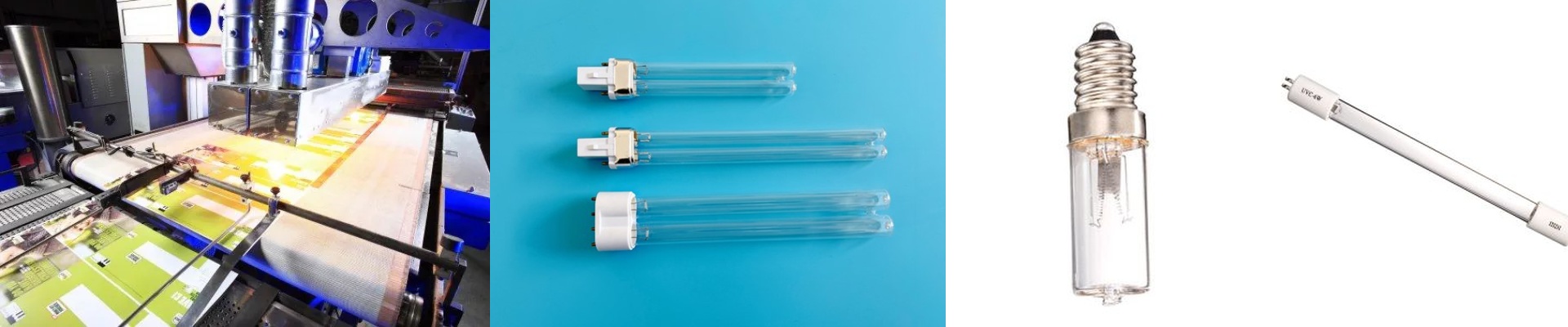
Getting the Wavelength Right: The Truth About UV Systems
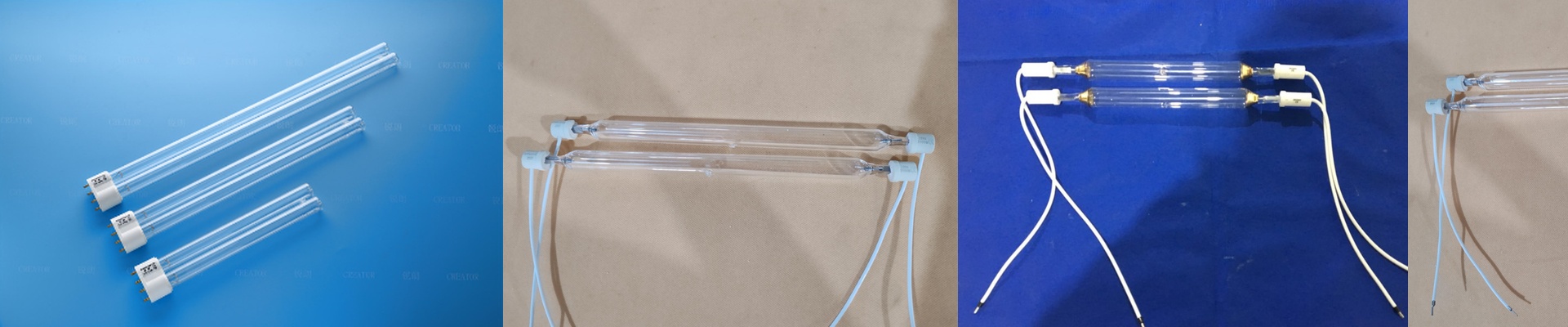
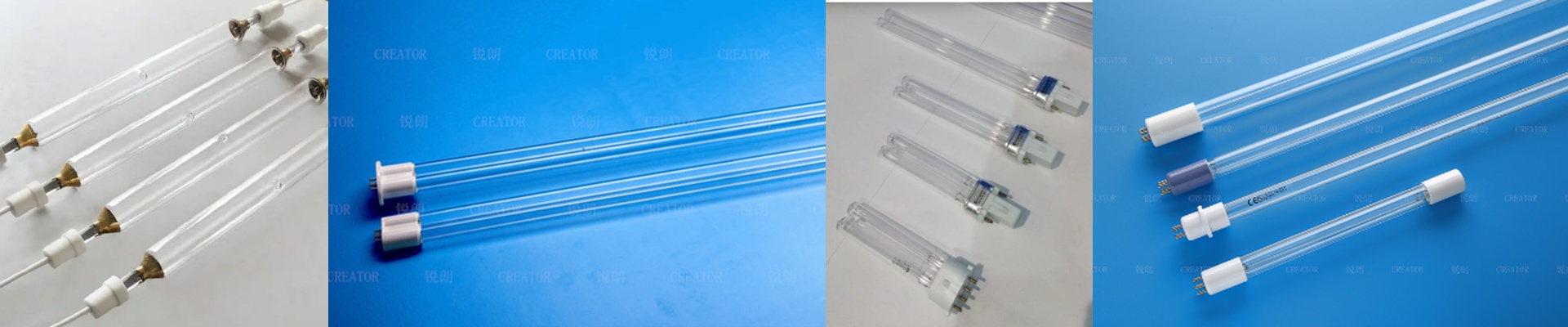
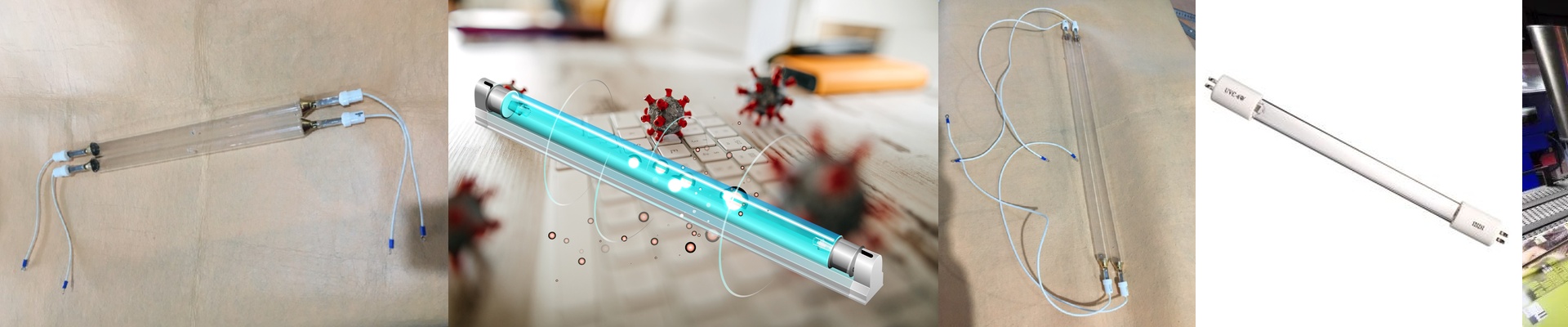
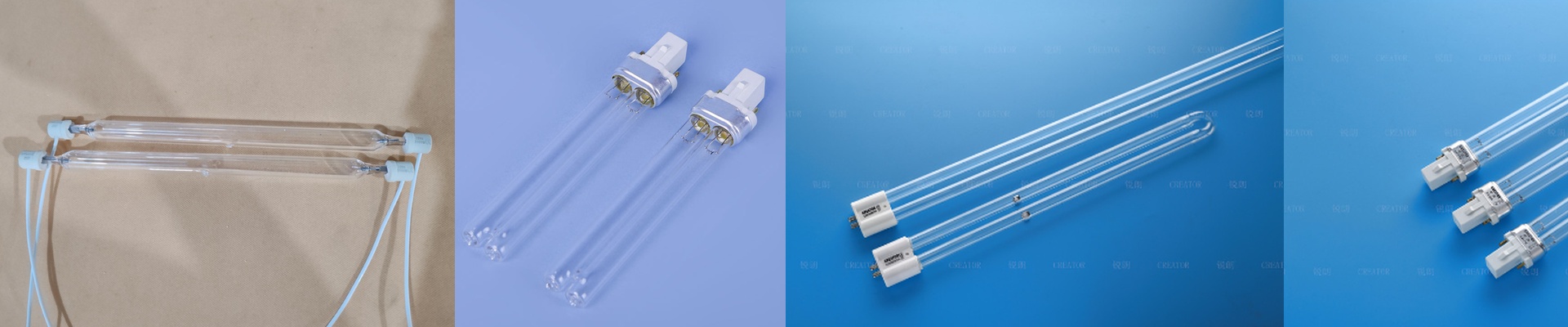
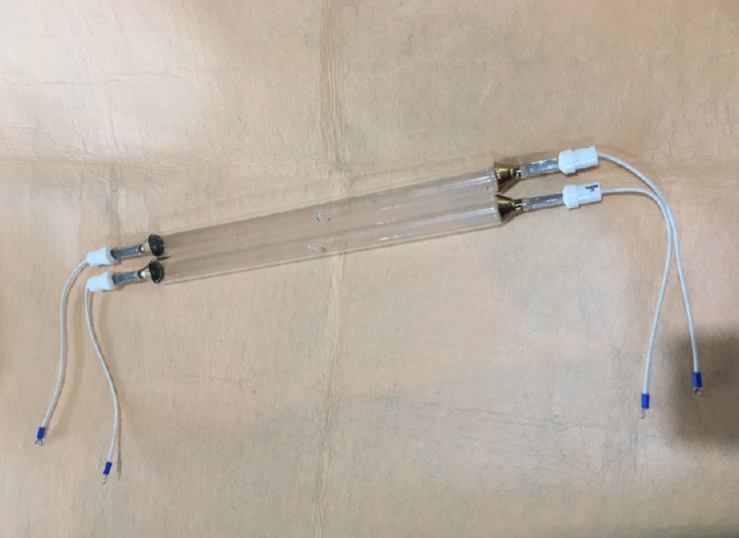
We don’t just put together UV lamps. We spend our days obsessing over photon energy. Specifically, that tight little window between 200nm and 400nm. That’s where the magic happens. Depending on the goal, we’re either ripping apart the DNA of a microbe or locking photopolymers together. It’s a delicate balance. The Secret is in the Peak Here is the thing: a generic UV lamp and a precision tool are worlds apart. If you’re trying to sterilize something, you need to hit that 253.7nm peak. That’s the sweet spot where nucleic acids soak up the energy and stop cells from replicating. But if you’re curing a coating, you’ll want to lean toward UV-A or UV-B so the light actually sinks deep into the material. And please, don’t use standard glass. It’s useless. It’ll just swallow the energy before the light even reaches your product. That’s why we stick with high-purity synthetic quartz. It actually lets the shortwave photons through. Heat, Power, and the Breaking Point Running these lamps isn’t as simple as plugging them in. You need electrical tolerances that are rock solid. We build our ballasts to kill off flicker and voltage spikes—otherwise, you’re just frying your electrodes for no reason. There’s also a bit of a trade-off with power. If you want higher wattage to keep your production line moving fast, you’re going to deal with some serious heat. The quartz envelope expands. If your mounting brackets are clamped down too tight, the tube will just snap during a thermal cycle. It’s a loud, frustrating mistake that’s easy to avoid if you leave a little breathing room. Real-World Setup Once you actually wire these into a line, the footprint is usually where the headaches start. We design our reflectors to push as much “useful” light as possible onto the substrate. No one wants to pay for energy that just disappears into the ceiling. One last tip: watch your materials. UV-C is aggressive. It’ll eat through standard plastics and rubber seals in a matter of weeks. If you don’t use Teflon or specialized UV-resistant polymers for your housings, you’re looking at a total system failure sooner rather than later.