Why that little CE mark actually matters for your UV lamps
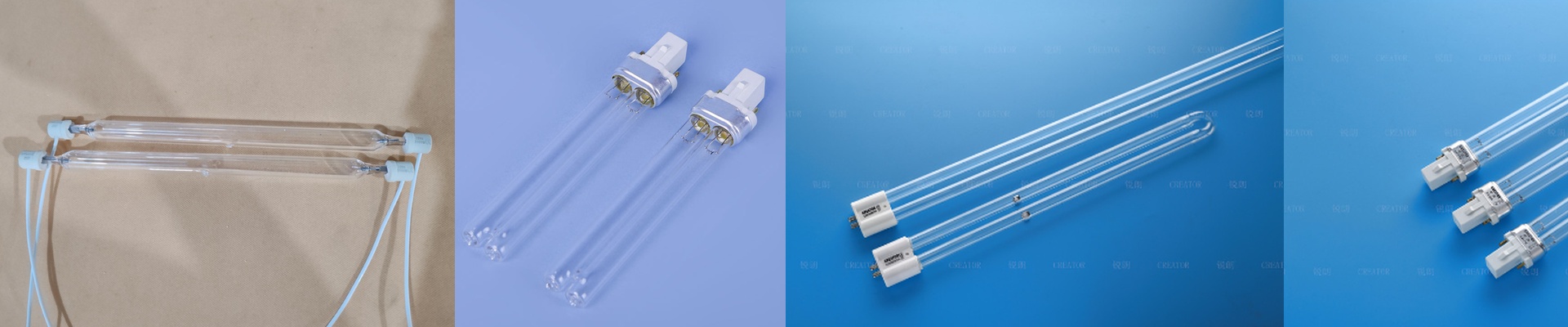
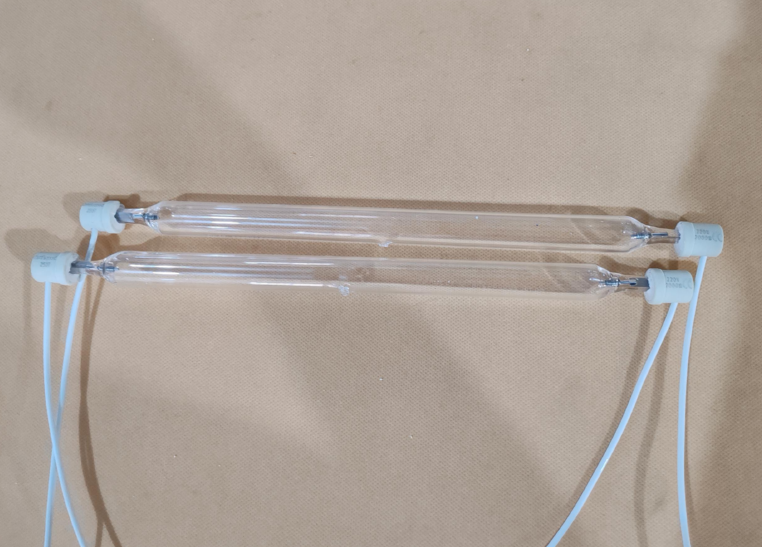
If you’re shipping UV lamps into the EU or other top-tier markets, you quickly realize it’s not just about the wattage or the wavelength. You can have the most powerful lamp in the world, but without CE certification, it’s just an expensive paperweight sitting in a customs warehouse. I see it all the time. A buyer thinks a “good enough” lamp will slide through. It doesn’t. Customs agents and safety auditors don’t care about your specs—they look for the mark first. The gritty details of compliance Think of CE as a promise that your gear won’t cause a disaster. It means the lamp plays nice with Low Voltage Directives (LVD) and Electromagnetic Compatibility (EMC) standards. In plain English? It means the ballast and housing won’t leak current or scream electrical noise that glitches out every other sensor on the production line. We pick our components carefully so the insulation can take a real beating without snapping under high-voltage arcs. It’s about peace of mind. Avoiding the nightmare High-end buyers want a paper trail. If you’re dropping our lamps into a PET blowing machine or a curing line, the person building that system needs to sleep at night. They need to know the component won’t trigger a safety shutdown or, worse, start a fire. A CE-marked lamp shows the product survived tests for thermal runaway and electrical leakage. Without it, you’re basically asking your customer to gamble with their legal liability. No one wants that. The honest trade-off Here’s the thing: doing this right costs more. We can’t just use the cheapest capacitors or cut corners on the wiring. You’ll pay more upfront for a certified lamp than you would for some generic version. But that extra cost is a hell of a lot cheaper than having an entire shipment seized at the border or watching a machine get ripped out of a factory floor because of a safety violation. We build to these standards so you can just plug our lamps into any system globally and get to work without worrying about the inspector knocking on your door.