

Stop Thinking of UV Lamps as Just “Dryers”
Most people look at a UV lamp and see a tool to dry ink or glue. But if you’ve spent any time on a factory floor, you know it’s more than that. It’s really about delivering a precise dose of energy. When we talk about “light energy,” we aren’t just talking about making a surface dry to the touch. We’re talking about the invisible chemistry happening at the molecular level—getting those polymers to lock together exactly how they should.
The Balancing Act of Energy
Here is where things get tricky. We look at two main numbers: irradiance and the total energy dose. If you just crank up the wattage without moving the lamp further away from your product, you’re asking for trouble. You’ll end up scorching your materials or seeing the coating shrink and warp. It’s a bit of a dance. We balance the length of the lamp and the power output so the UV light hits the entire conveyor evenly. No “cold spots.” Because nothing kills a production run faster than a batch of parts that stay tacky and sticky.
Making the Hardware Actually Work
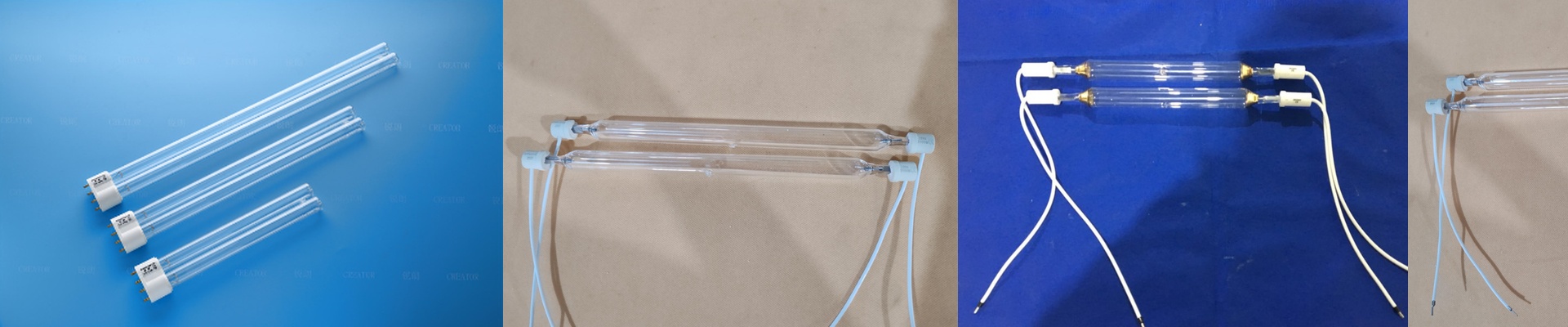
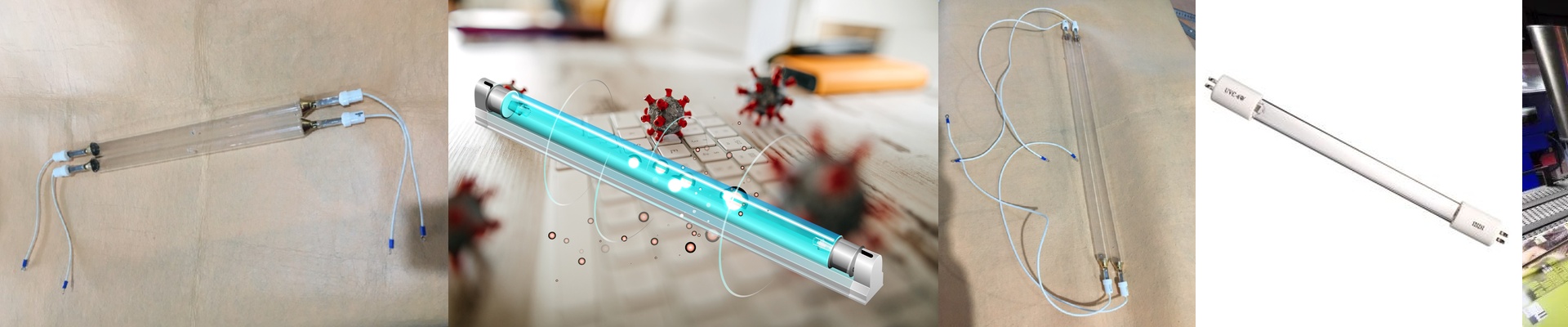
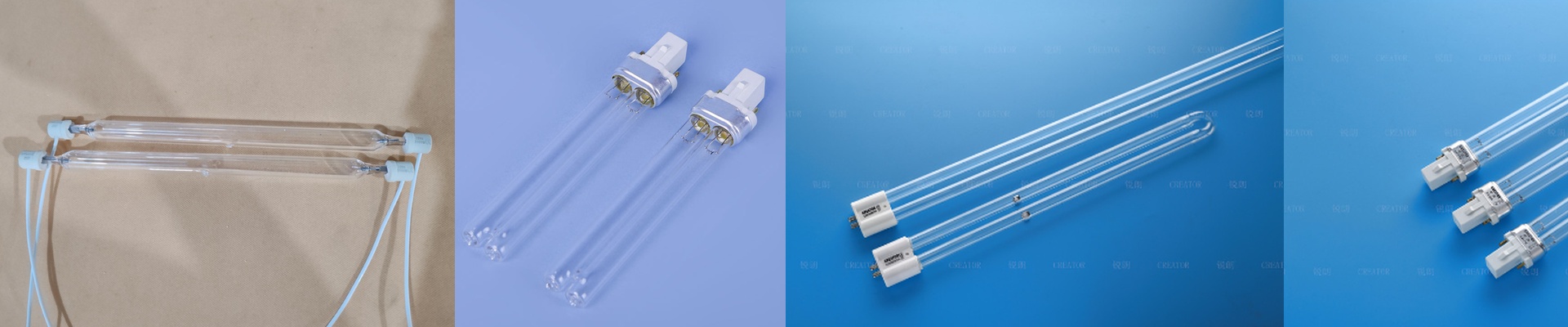
An on/off switch is fine for a hobbyist, but it doesn’t work on a high-speed line. That’s why we hook our lamps up to electronic ballasts controlled by a PLC. It means if your line speeds up, your power adjusts in real-time. We also use specific quartz glass—usually hitting those 254nm or 365nm peaks—so the light actually “talks” to the photoinitiators in your resin. If the wavelengths don’t match, you’re just wasting electricity.
Dealing with the Heat
High-intensity UV creates a lot of heat. A lot. If you cram a high-wattage array into a tight box, the lamps will burn out faster and your parts might actually warp. It’s a headache you don’t want. To stop that, you need a solid forced-air system or a water-cooled jacket to keep everything chill. We design these systems to slide right into your old rigs without a fight. But the real win is the data. By keeping an eye on lamp hours and how the output drops over time, you can swap a bulb on a Tuesday afternoon instead of waking up Wednesday to find half your product failed QC.