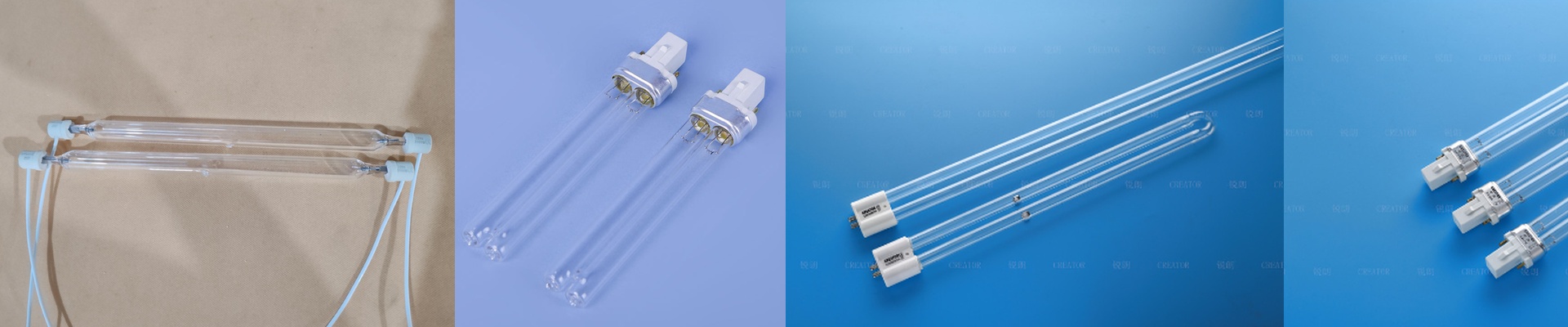
Why Gallium Iodide Lamps Actually Matter for Your PCB Line
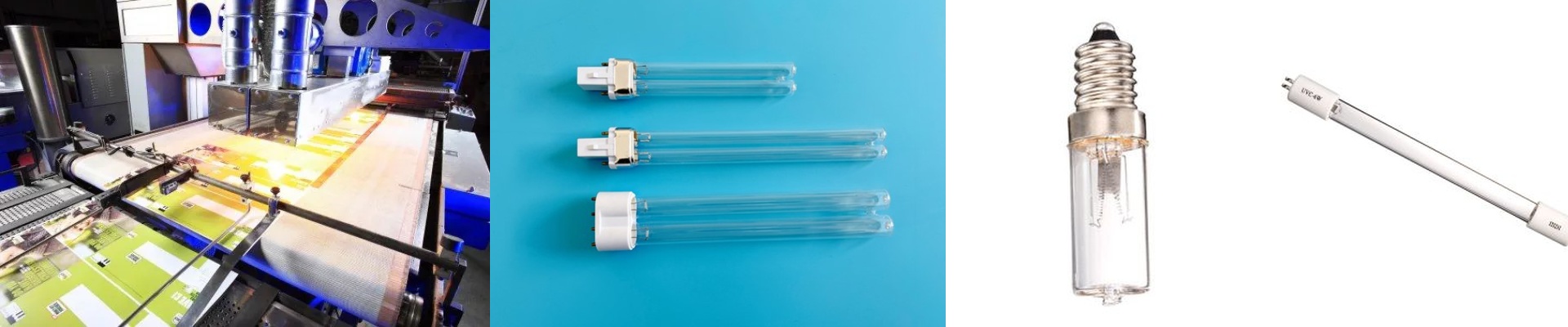
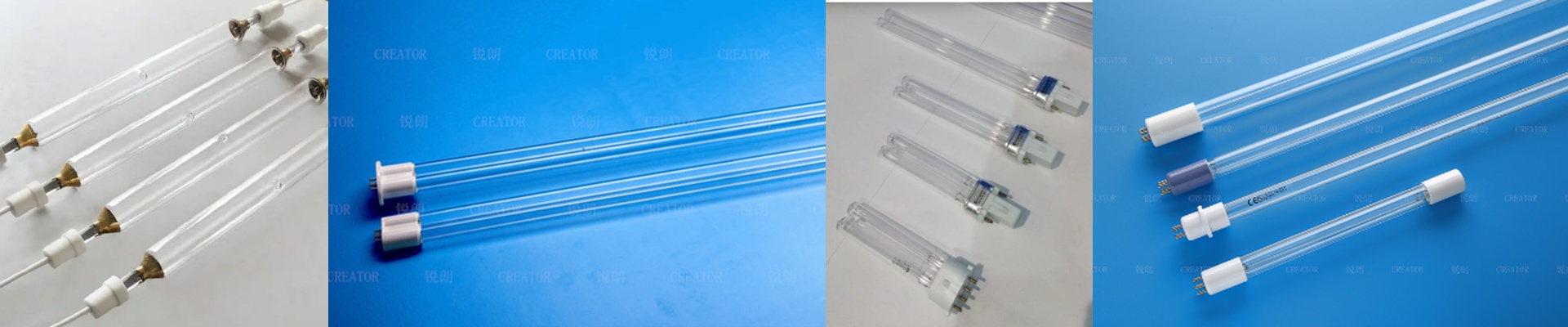
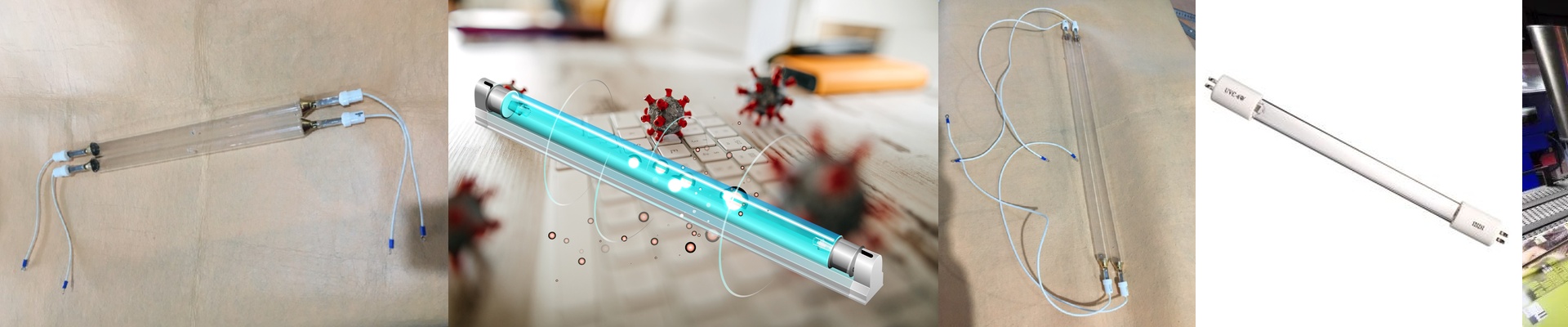
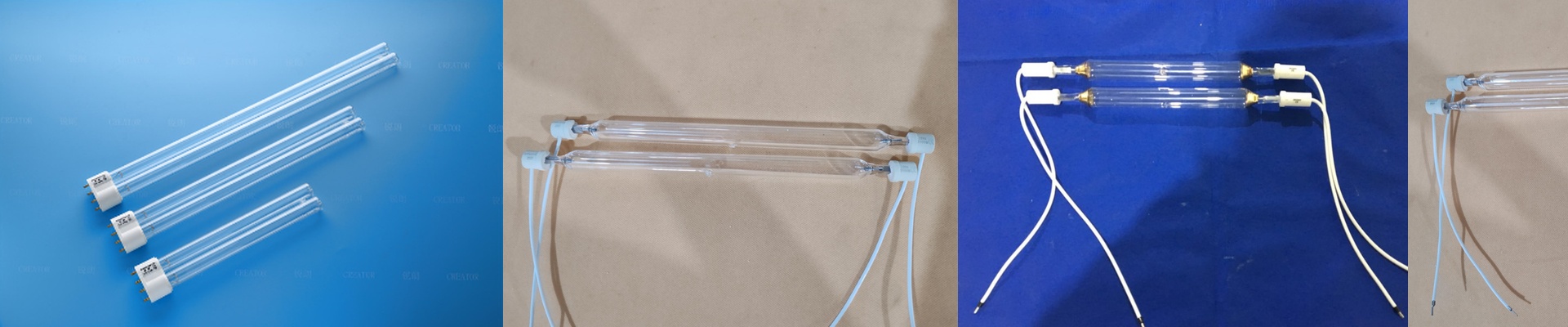
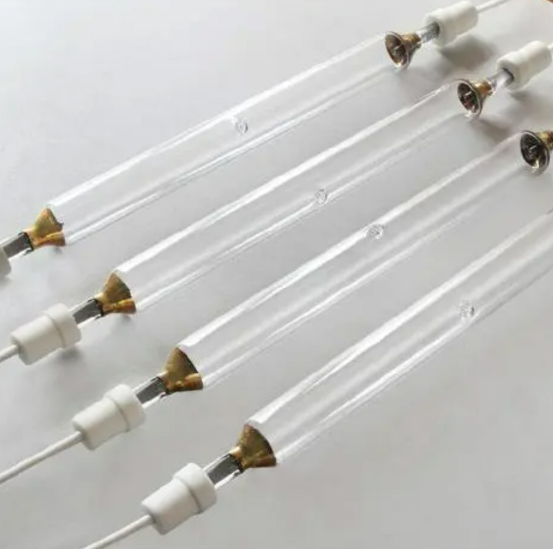
Most people treat curing like a light switch—you turn it on, it dries, you’re done. But if you’re running a modern PCB line, you know it’s not that simple. It’s all about the wavelength. That’s why we lean on Gallium Iodide (GaI) lamps. They hit a very specific, narrow band of light that your standard UV lamps just miss. It’s the difference between a coating that looks dry on top and a polymer that’s actually locked in all the way through. The nitty-gritty on the spectrum Standard mercury lamps throw a wide net of light. GaI lamps are different. They focus all that energy right between 300nm and 400nm. Here’s the thing: the photo-initiators in your solder masks and dry films are picky. They only react to those specific bands. If you’re off by even 10nm, you’ll end up with “under-cure” at the bottom of your via holes. And once you hit the soldering stage? Delamination. It’s a nightmare you don’t want. Keeping the hardware happy These lamps pack a punch, but they run hot. Really hot. Because the power density is so high, that quartz envelope is under a lot of stress. If you don’t have forced-air cooling or a water-cooled jacket, you’re basically inviting the lamp to burn out early. Also, a quick tip: make sure your power supply matches the tube’s wattage exactly. You don’t want voltage spikes snapping your electrodes. It’s a small detail, but it saves a lot of headaches. The real-world trade-off Look, there’s a catch. GaI lamps will speed up your line, but they don’t live as long as those low-intensity UV tubes. You’ll be swapping them out more often. But honestly? It’s worth it. When your cure is consistent across the entire board, your scrap rate plummets. That more than covers the cost of a few extra lamps. Just use high-temp leads, keep your reflectors spotless, and you’ll see your throughput jump almost immediately.