Stop Guessing With Your UV Lamps: A Better Way to Track Energy
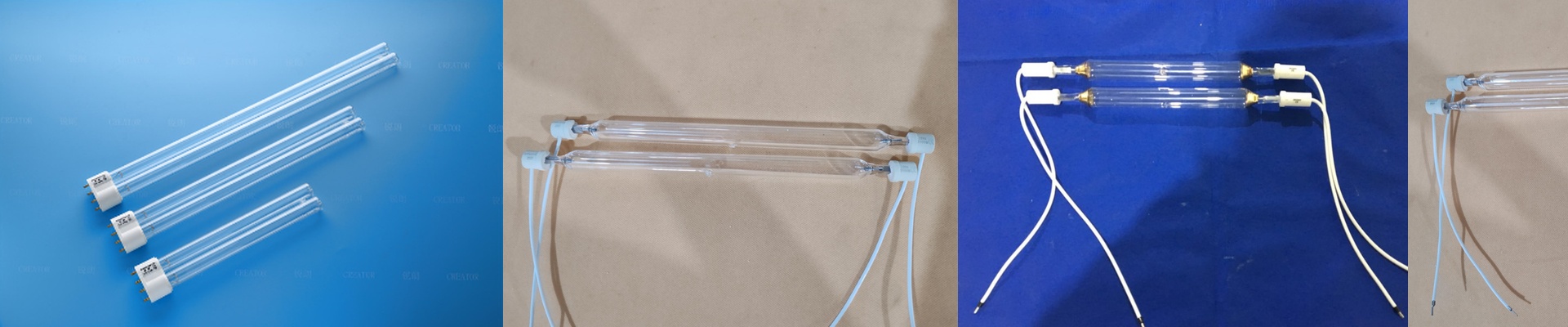
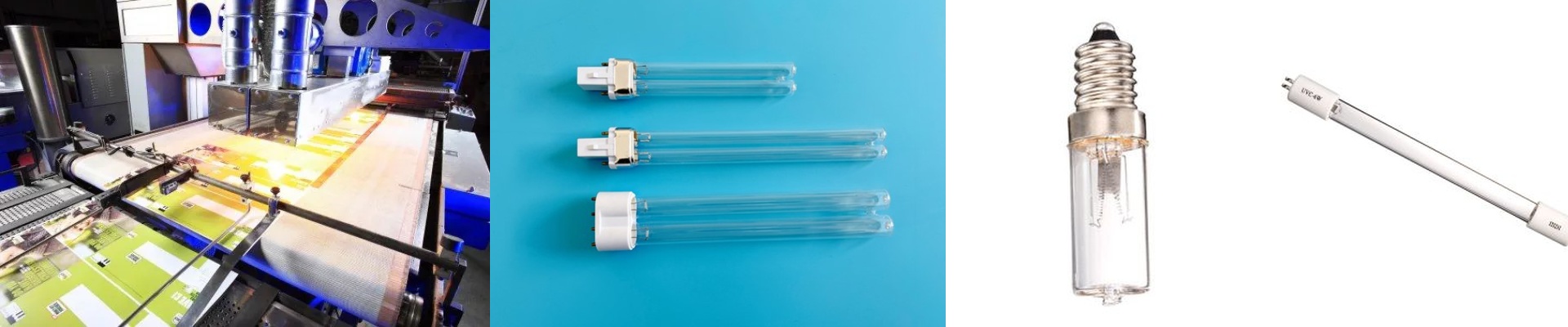
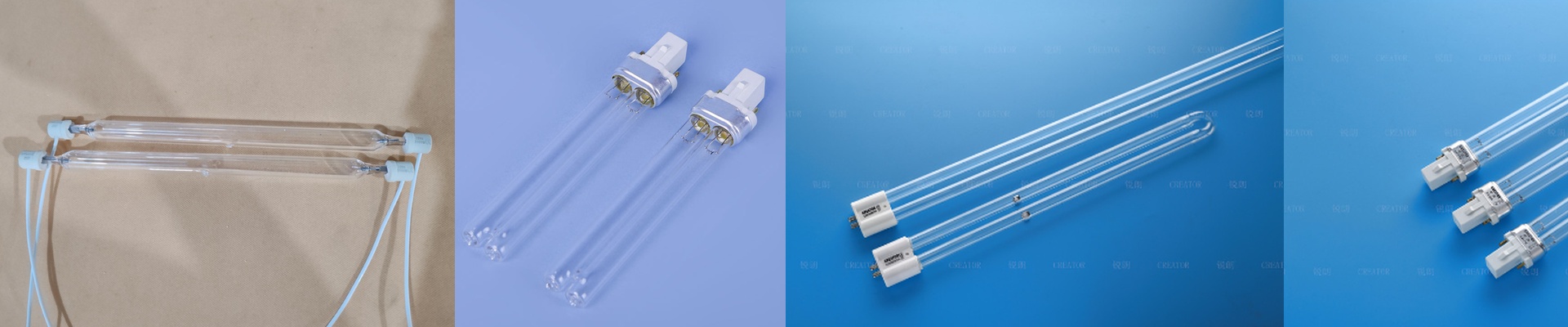
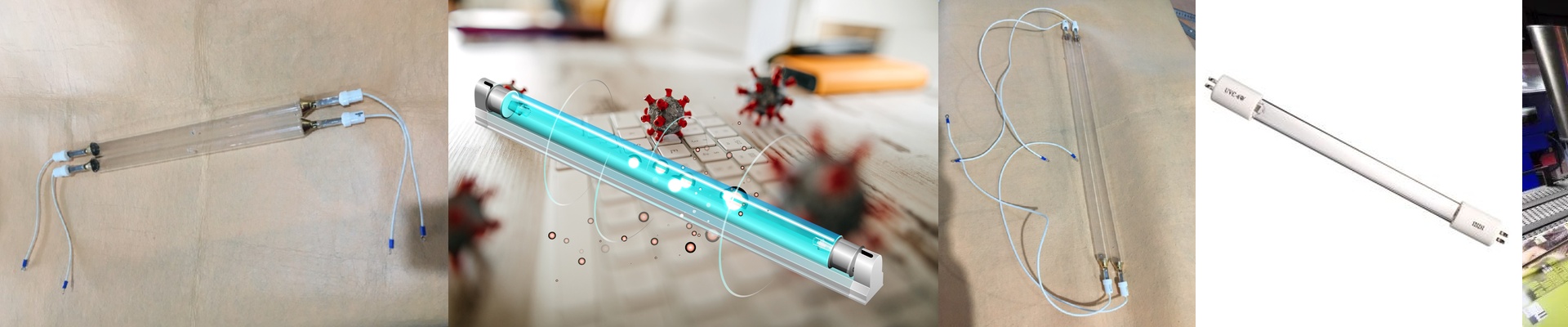
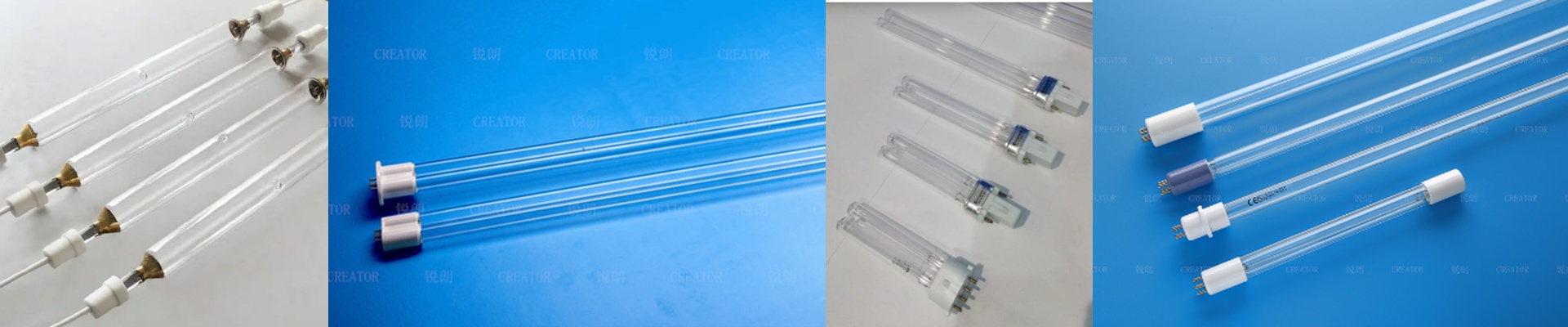
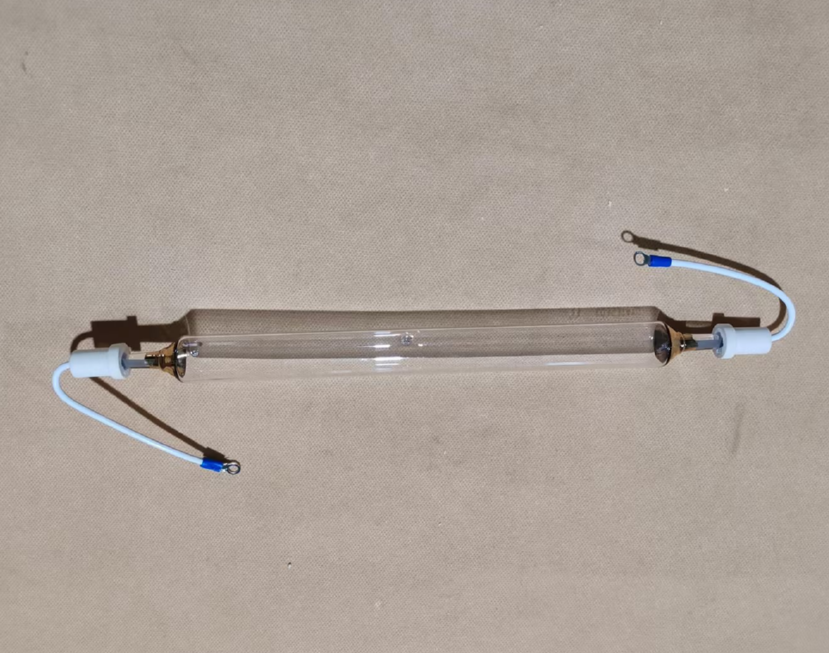
Gallium Iodide (GaI) lamps are great because they hit those exact UV peaks you need for curing and sterilization. They’re precise. But here’s the problem: once they’re running, you’re basically flying blind. You have no real way of knowing when the output starts to dip until something actually goes wrong. The problem with “blind” lamps Most UV setups are just… on. You set the power, flip the switch, and pray the irradiance holds steady until your next scheduled maintenance check. We decided to fix that. We started building remote energy monitoring right into the power circuitry. Instead of staring at a fancy dashboard with graphs that don’t mean anything, we’re looking at real-time wattage and voltage. It’s simple. If the energy signature shifts, you know a lamp is starting to burn out. You catch it before it ruins an entire production batch. The messy part (The Tech) Now, you can’t just slap a sensor on an old system and call it a day. GaI lamps use high-voltage arcs that would fry standard electronics in a heartbeat. Plus, adding this gear means the power supply takes up a bit more room. To make it work, we use isolated current sensors that feed data back to a central PLC. The payoff? You can stop replacing lamps just because the calendar says so. You replace them because the data tells you the lumens have actually dropped. What this actually changes for you No more “ghost curing.” You know the feeling—the lamp looks bright and lit, but the UV intensity is too low to actually trigger the chemical reaction. It’s a nightmare to find and a pain to fix. One thing to keep in mind: make sure your cooling system can handle the heat. These high-output tubes get hot. If they overheat, the thermal drift will mess with your readings and give you a false alarm. But once that’s dialed in? You finally have a handle on your hardware.