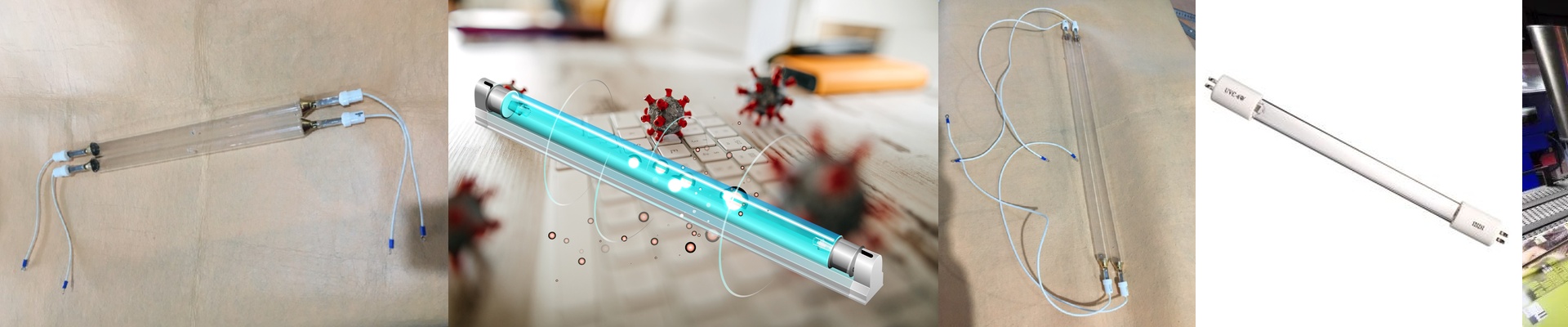
Why You Should Actually Care About Patents When Buying Gallium Iodide Lamps
If you’re in the market for Gallium Iodide (GaI) lamps for curing or sterilization, you already know they’re powerful. But if you’re sourcing these from China, there’s a trap a lot of people fall into. They look at the spec sheet, see the wattage matches, and think they’ve found a deal. Here’s the thing: the specs are only half the story. The real magic—and the real risk—is in the stuff you can’t see. I’m talking about the gas mixture and how the electrodes are shaped.
The “Drop-In” Trap
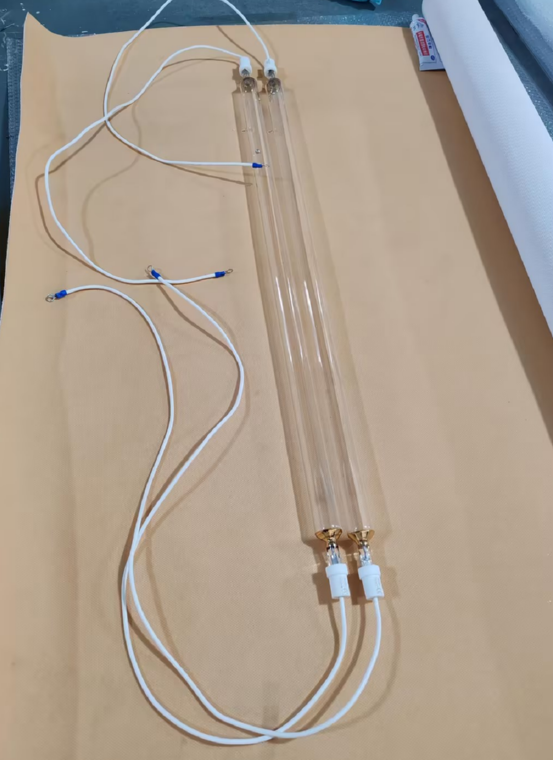
You’ll see plenty of suppliers offering “drop-in replacements.” They look identical. They fit in the socket. But inside? It’s a different story. Many of these generic lamps just copy the physical size without owning the actual science behind the gas-fill ratios. When you plug one of those into your line, things get weird. Your curing speeds start drifting. One batch is perfect, the next is tacky. It’s a nightmare to troubleshoot because the lamp looks right, but it’s just not performing. And then there’s the legal side. If you’re using lamps that rip off international patents, you’re playing a dangerous game. One bad day at customs and your entire shipment is seized. Not exactly the kind of “cost-saving” you want. We do things differently. We use our own independent patents for how we deposit the gallium iodide and seal the quartz. When you work with a supplier who actually owns their tech, you aren’t just buying a bulb. You’re buying peace of mind.
Shipping and Safety (The Boring but Important Stuff)
Trade is messy right now. Having patent-protected hardware means your shipment actually clears customs without some agent flagging it for IP infringement. It just moves. But it’s not just about the paperwork. It’s about the hardware not exploding. GaI lamps get incredibly hot. If the internal pressure or the electrode material is off, the lamp will burn out way too fast. Or worse, if it’s not a perfect match for your ballast, you’ll blow a fuse or crack the quartz.It’s a loud, expensive mistake. Make sure your cooling system can actually handle the heat these high-wattage tubes put out. At the end of the day, going with a factory that has verified patents just takes the guesswork out of the equation. You get a steady spectral output, and your gear gets across the border without a fight.