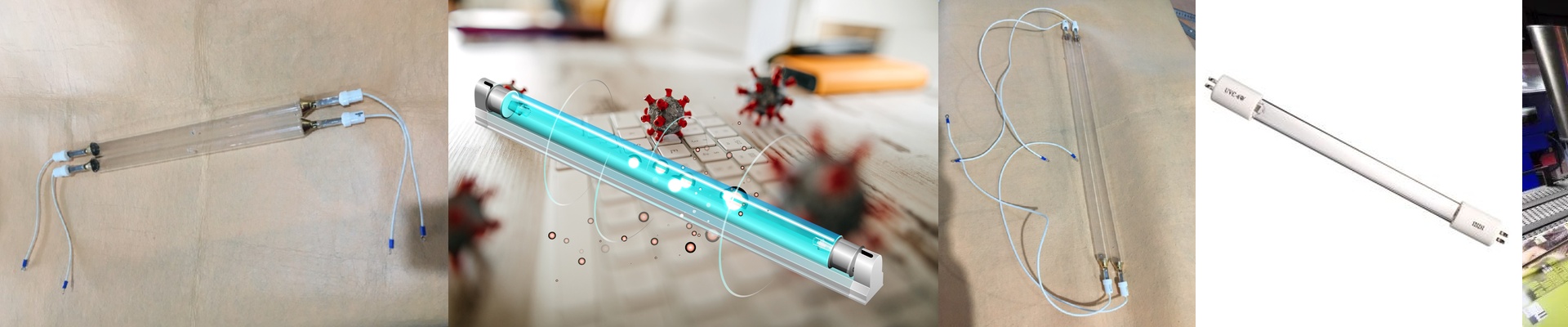
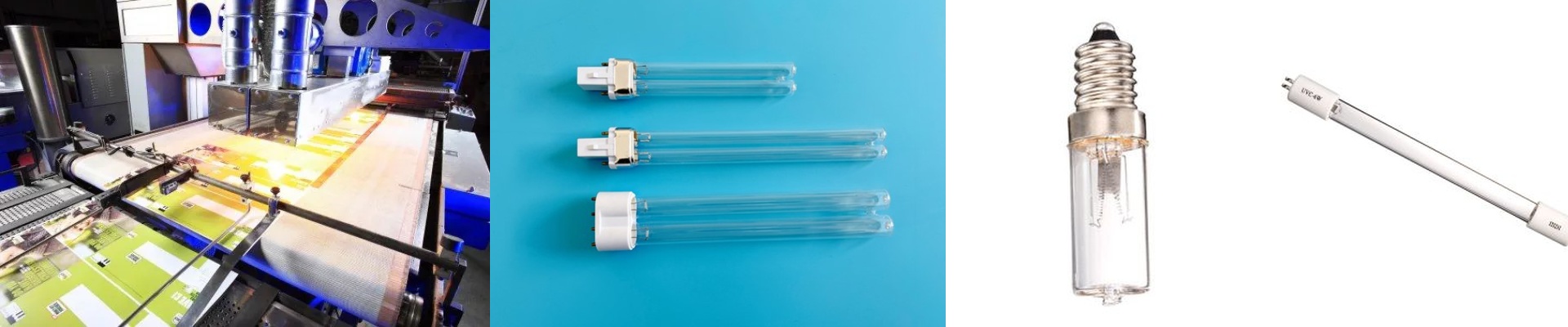
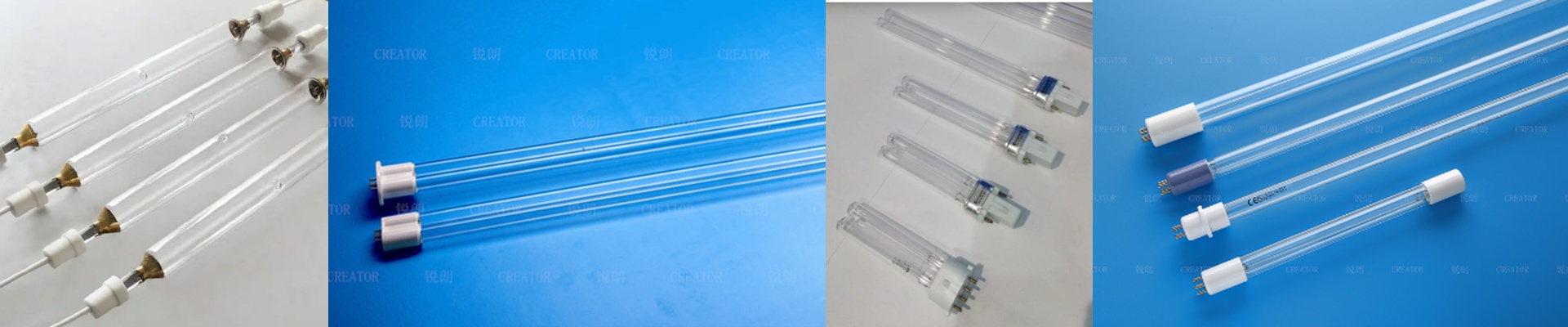
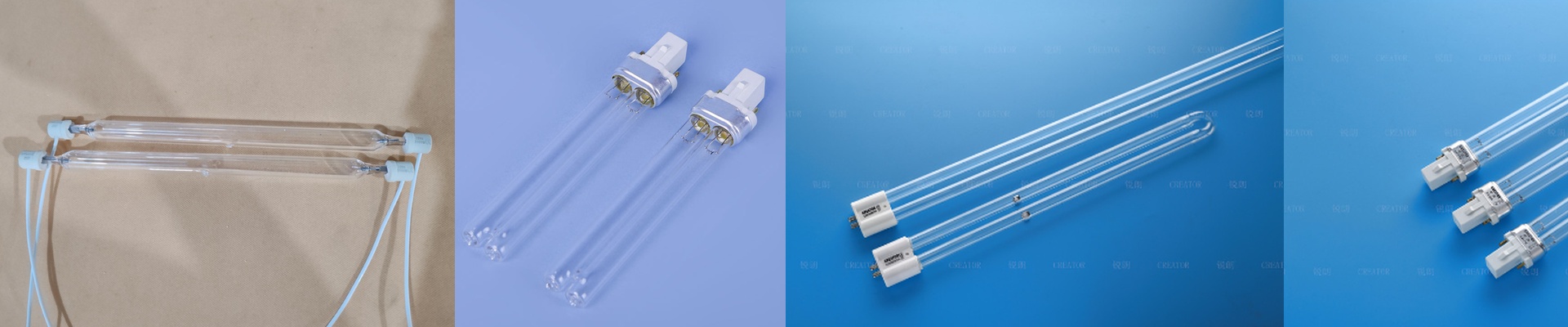
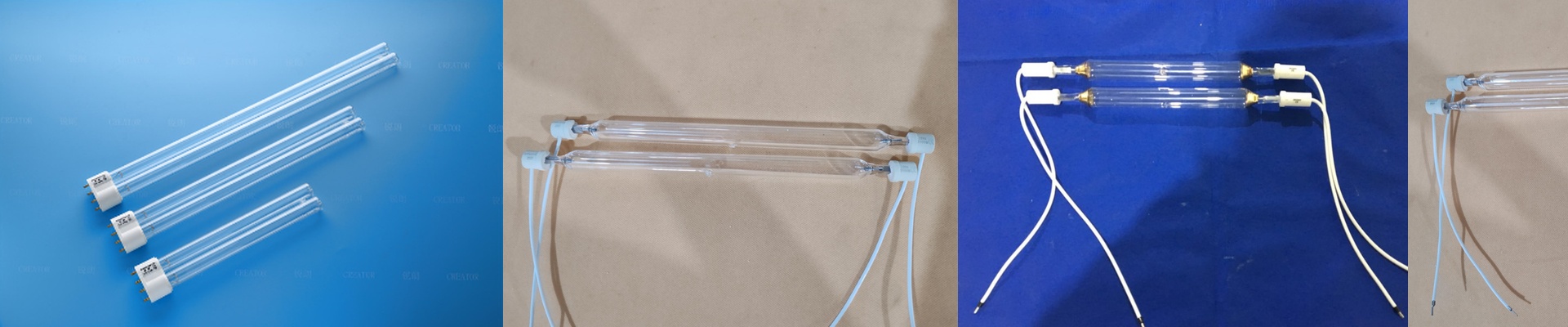
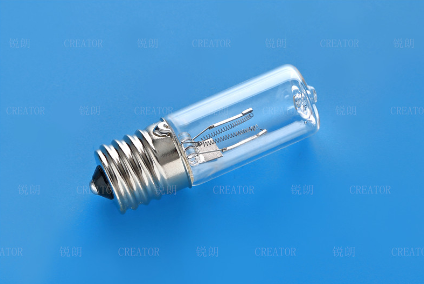
Making UV Quartz Tubes Actually Smart
Let’s be honest: standard quartz UV lamps are pretty basic. You plug them in, they run, and you just… hope for the best. You usually replace them based on a guess or a calendar date, praying the filament doesn’t snap right in the middle of a big order. We’re tired of that guessing game. So, we’re building energy monitoring right into the system.
Stop Guessing, Start Knowing
Forget those old-school timers. They aren’t helpful when things actually go wrong. By keeping an eye on power draw and voltage in real-time, you can tell when a lamp is about to give up the ghost before it actually crashes your production line. If the energy signature looks weird, it’s usually a sign that the quartz is getting dirty or the ballast is acting up. The best part? You can see all of this from your desk. No more sending a tech onto the floor just to stare at a bulb to see if it’s still working.
The Hard Part: Beating the Heat
Putting sensors near industrial UV lamps is a nightmare. The heat is intense. Most electronics would just melt. To get around this, we handle the monitoring at the ballast level or use non-contact current transformers. It keeps the sensitive bits safe but still lets you track every kilowatt-hour and duty cycle across the whole factory on one screen. And here’s a little secret: a lot of shops run their lamps at 100% power when 70% would do the job just fine. Once you can actually see the data, you can trim that waste and stop paying for electricity you don’t need.
The Trade-off
Now, nothing is perfect. Adding a digital layer means there are more parts that could potentially break. A glitchy sensor might trigger a false alarm, and nobody likes unnecessary downtime. You have to decide if having that remote visibility is worth the extra wiring. For most high-volume setups, the energy savings make it a no-brainer—as long as the hardware can handle the heat of the oven.