Making Gallium Iodide Lamps Actually Work for Your Line
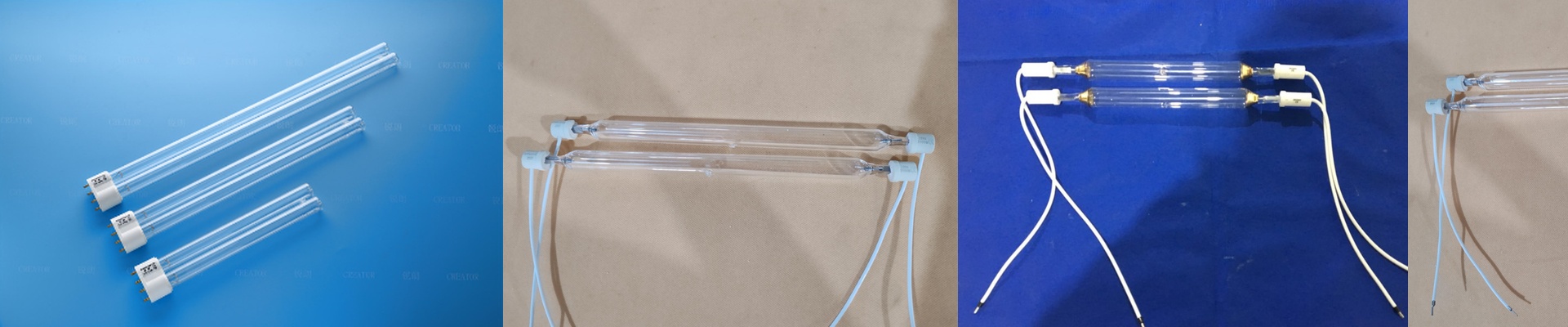
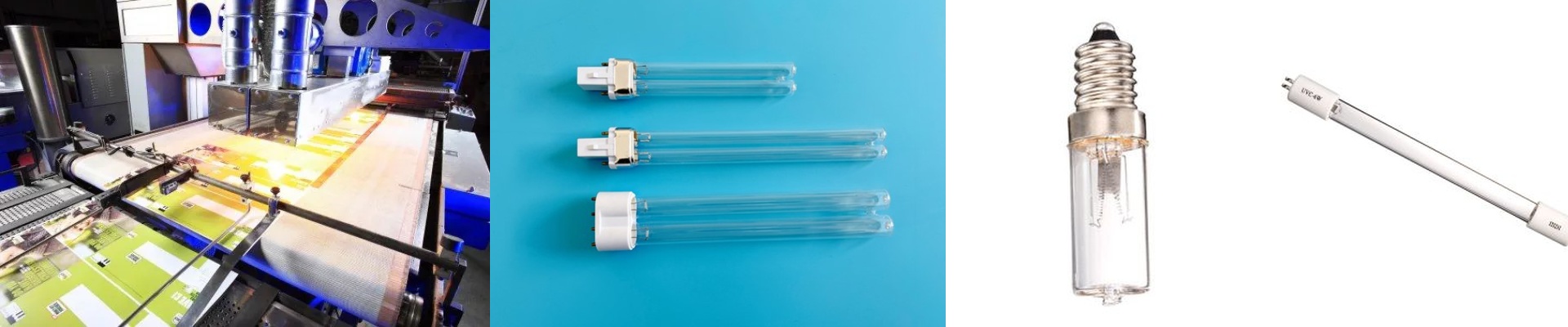
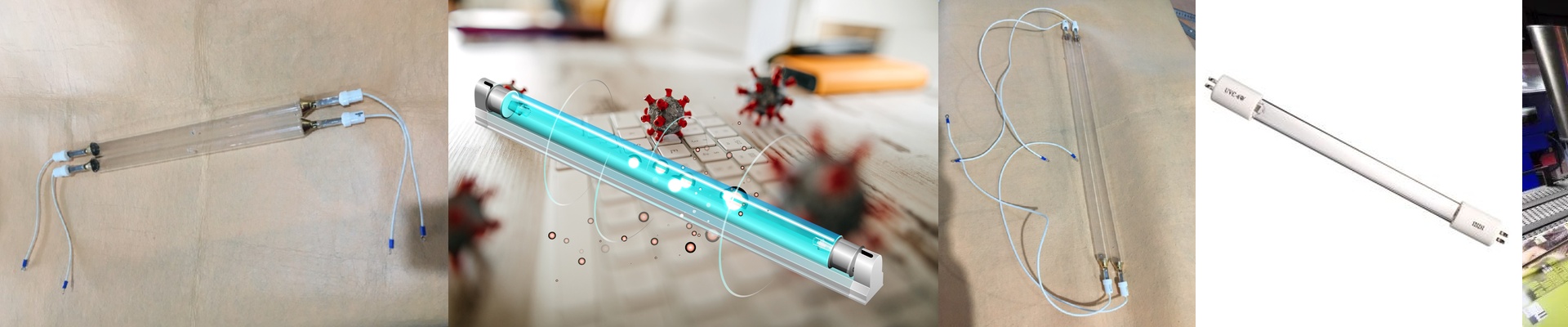
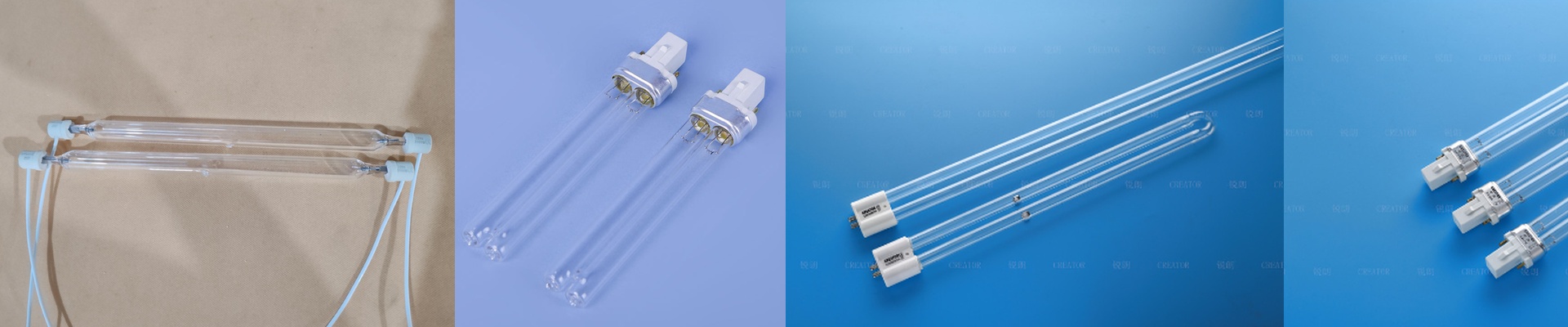
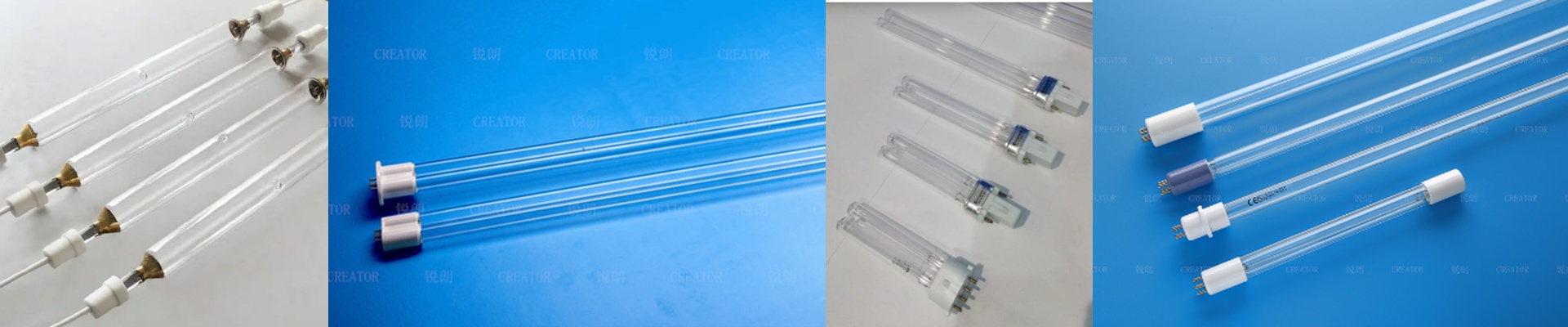
Look, most people just see a UV lamp. But if you’re dealing with industrial photoinitiators, you know that not all light is created equal. We built our gallium iodide lamps to hit that sweet spot—somewhere between a basic mercury vapor bulb and those pricey LED arrays. They’re designed for one thing: cranking out high-intensity UV to get your curing and drying lines moving faster. The heat is the real story here. The chemistry we use shifts the light spectrum, which is great because it means the energy actually digs deep into thick coatings or those stubborn, pigmented resins. It basically forces the cross-linking to happen faster. But there’s a catch. High wattage means high heat. If you crank the power to squeeze every bit of throughput out of your line, you can’t skimp on your cooling. If your fans and vents aren’t up to the task, that quartz envelope is going to stress out and crack. It’s as simple as that. The nuts and bolts We use high-purity quartz. Why? Because we don’t want the UV light getting trapped inside the tube or the glass clouding over time. We also tweaked the electrodes so they don’t sputter, which means you aren’t replacing bulbs every few weeks. One thing to watch out for: the ballast. It has to match the lamp’s impedance exactly. If it’s off, you’ll get a flicker, or worse, you’ll shave 30% off the life of the lamp. It’s a small detail that costs a lot of money if you ignore it. Fitting them into your shop In a modern setup, “on” and “off” just isn’t enough anymore. We’re seeing these lamps do the heavy lifting in high-speed PET blowing and precision coating lines. In those worlds, the speed of the cure is what dictates your entire PPM. You can usually drop these right into your old UV systems. Just keep in mind that they’re a bit pickier about voltage regulation. You’re giving up a little bit of that “plug-and-play” simplicity, but in exchange, you get a way faster cycle time and a surface finish that’s significantly harder.