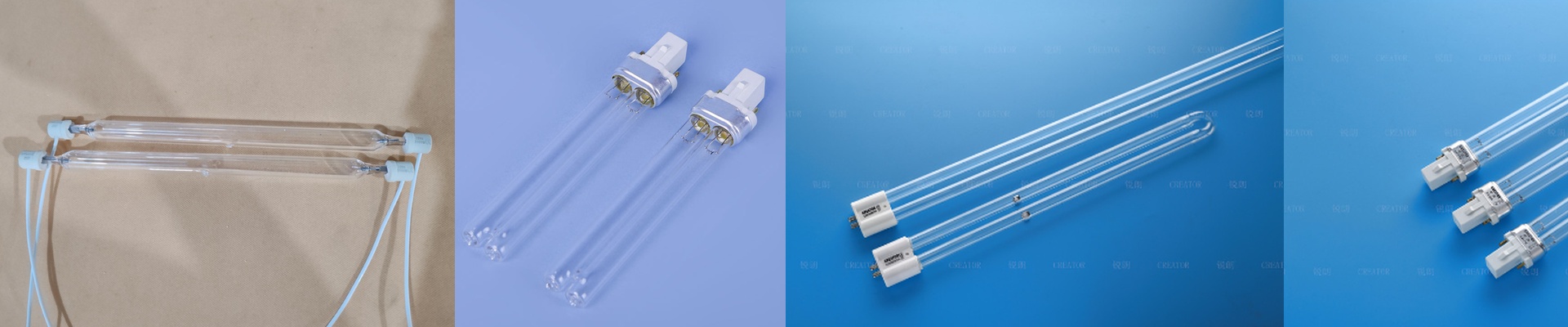
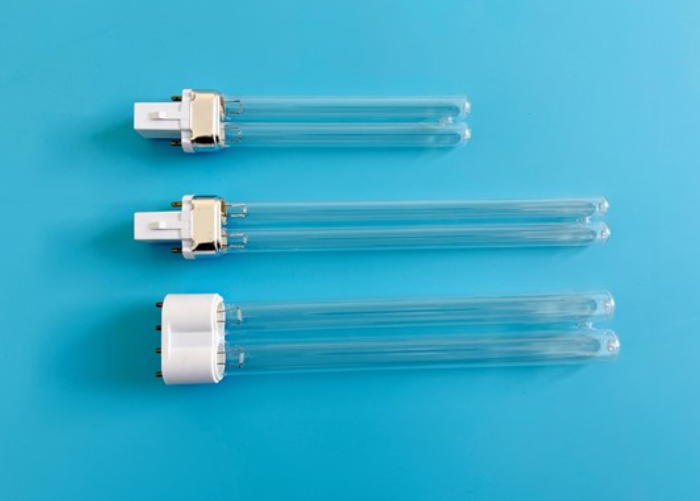
Why Mercury UV Lamps Actually Matter in Your Textile Line
When most people look at a shirt, they think about the stitching. But if you’re in the industry, you know the real magic happens way before the sewing machine. It’s all about those high-intensity UV reactions that keep everything from falling apart. Mercury UV lamps aren’t just some optional accessory. They’re the heavy lifters that cure and bond the materials, making sure your fabrics actually do what they’re supposed to do.
How the Magic Happens
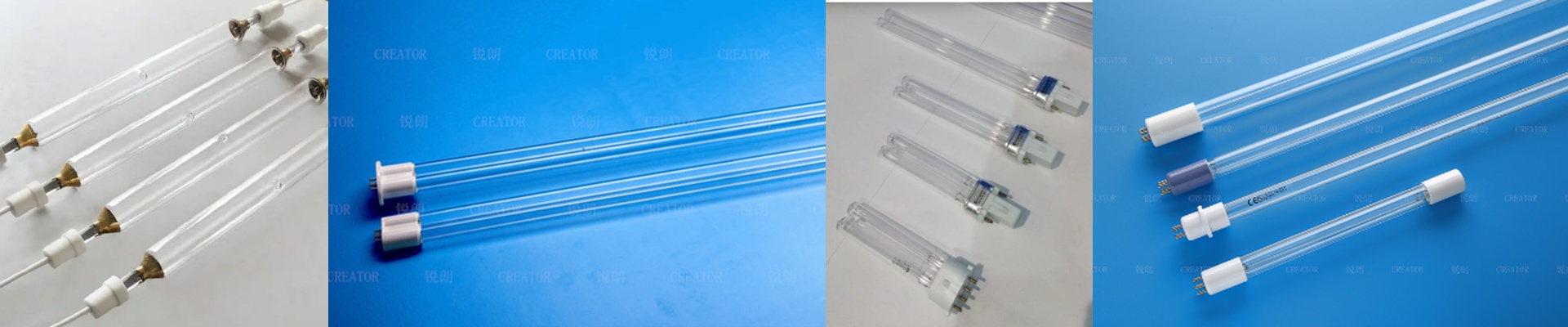
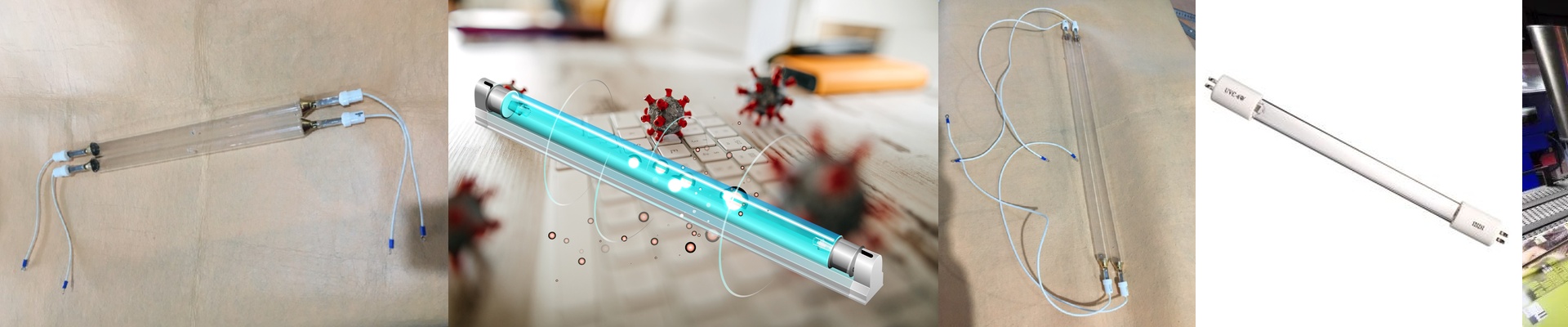
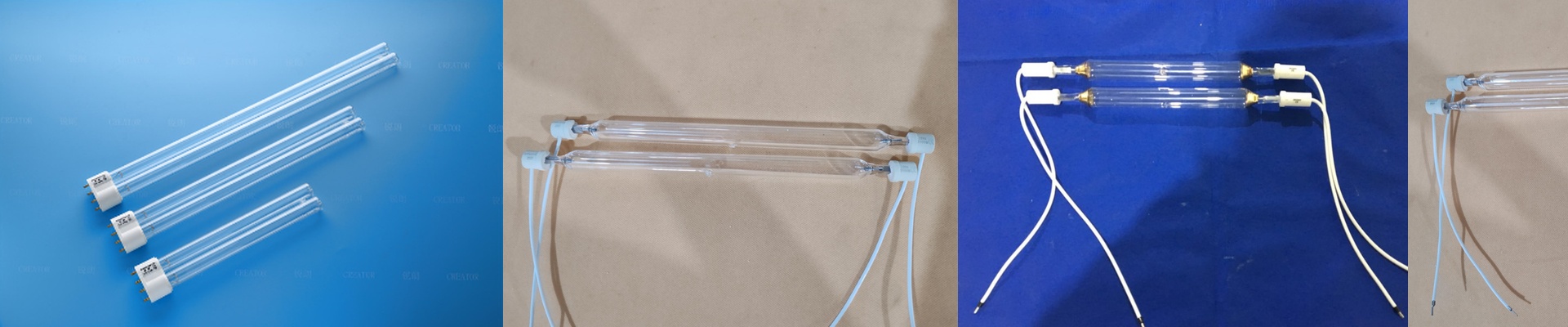
We build these lamps to hit a very specific sweet spot—usually 254nm or 365nm. It depends on which photoinitiator you’re using. Inside that quartz envelope, mercury vapor hits a high voltage and turns into a plasma arc. It sounds like science fiction, but it’s basically just converting electricity into short-wave UV radiation. You need that raw energy to snap the chemical bonds in your inks and resins. If your wattage is too low? You get “under-cure.” That’s a nightmare. Your ink migrates or just peels right off after the first time the customer throws it in the wash.
Where They Fit In
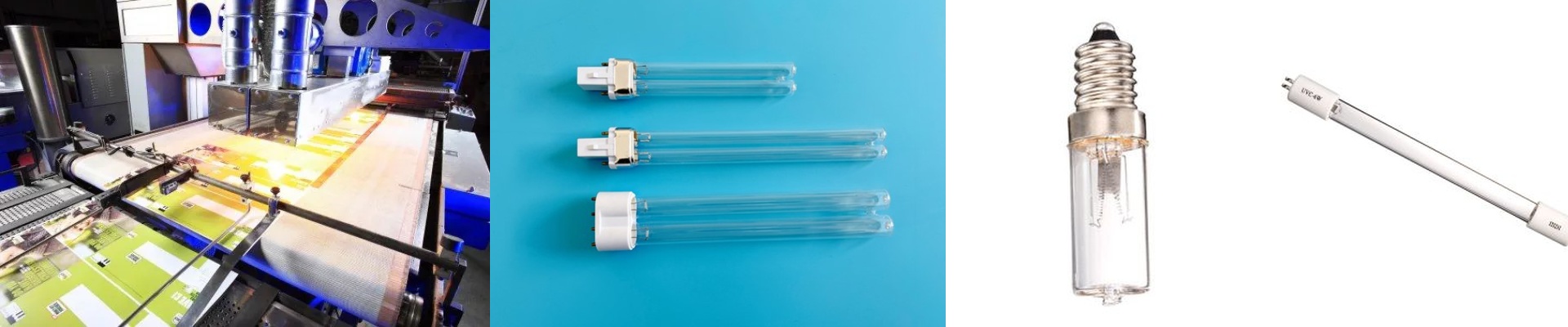
You’ll usually see these lamps popping up in three spots on the floor: **Digital Printing.**We use them to flash-dry inks the second they hit the fabric. No bleeding, no smudging, and you can keep the line moving fast. **Functional Coatings.**Think waterproofing or flame retardants. The UV lamp locks those chemicals deep into the fibers so they actually stay there. **Screen Printing.**When you’ve got thick layers of UV inks or plastisol, these lamps knock out the curing process in a few seconds.
The Trade-offs (The Honest Part)
Here’s the thing: high-intensity UV creates a lot of heat. A lot. If you crank up a high-wattage array but skimp on the cooling system, you’re asking for trouble. You might scorch the fabric or even warp your conveyor belt. It’s a balancing act. You have to match your line speed with the lamp’s irradiance. Want the line to run faster? You’ll need more wattage. But remember, more wattage means your exhaust fans have to work way harder to keep things cool. We designed these to be easy drop-in replacements for most industrial tunnels. Just do yourself a favor and double-check that your ballast matches the lamp’s voltage and current. If they don’t play nice, your lamps will burn out way sooner than they should.