How we built a UV lamp that actually saves you money
For 15 years, we played the middleman, selling other people’s white-label UV lamps. It was fine, but it wasn’t enough. We wanted to build something ourselves that could go toe-to-toe with the big global brands but without the massive power bill that usually comes with them. Here is how we actually did it.
The trick to saving energy
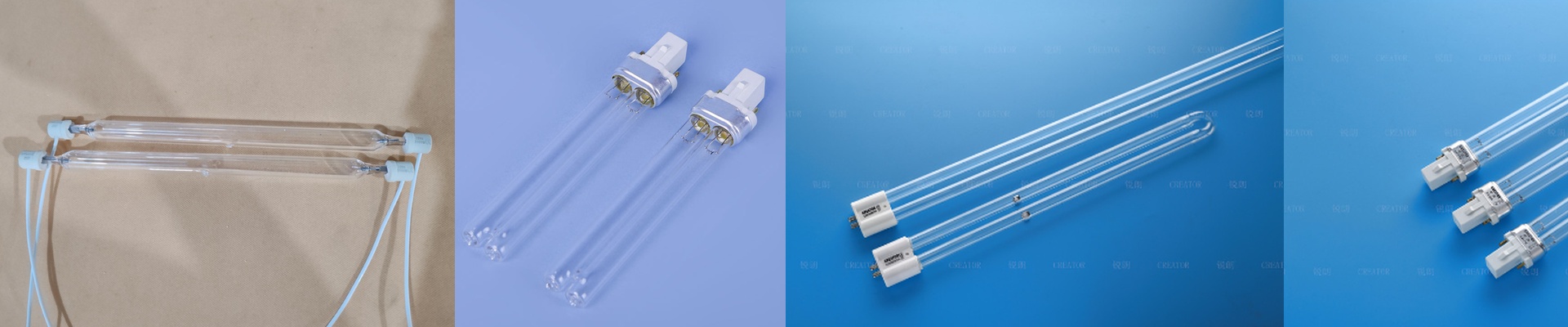
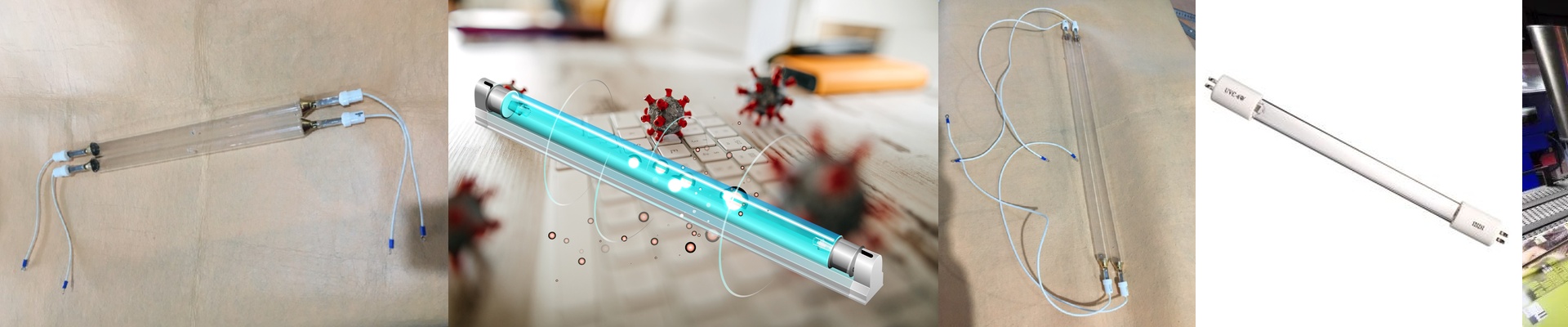
Most UV lamps are basically heaters that happen to put out some light. That’s a waste. We spent a lot of time messing with the gas mix and the shape of the electrodes. By getting the mercury vapor pressure just right and using high-purity quartz, we managed to squeeze more UV-C photons out of every single watt. You still get that 253.7nm peak—the sweet spot for killing microbes—but the lamp stays cool. No more wasting electricity on heat you don’t need.
The grit and the glass
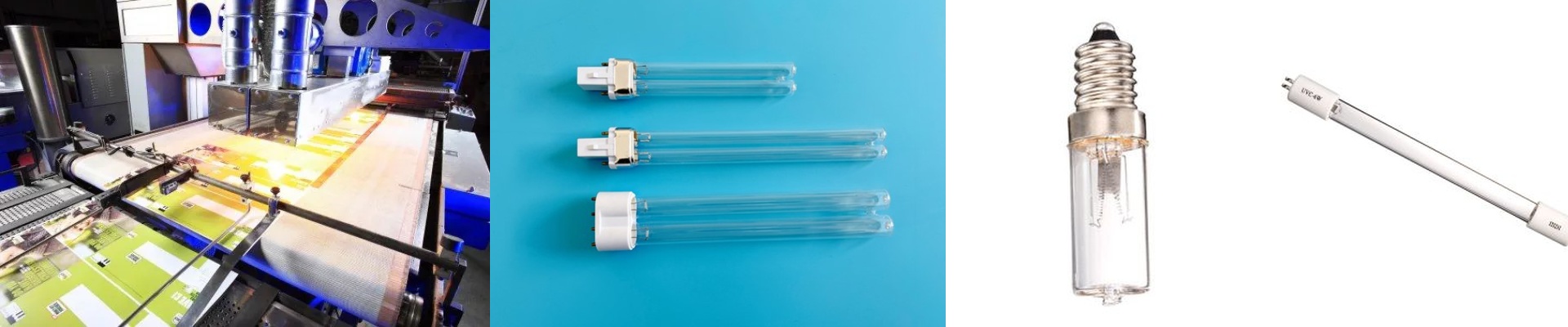
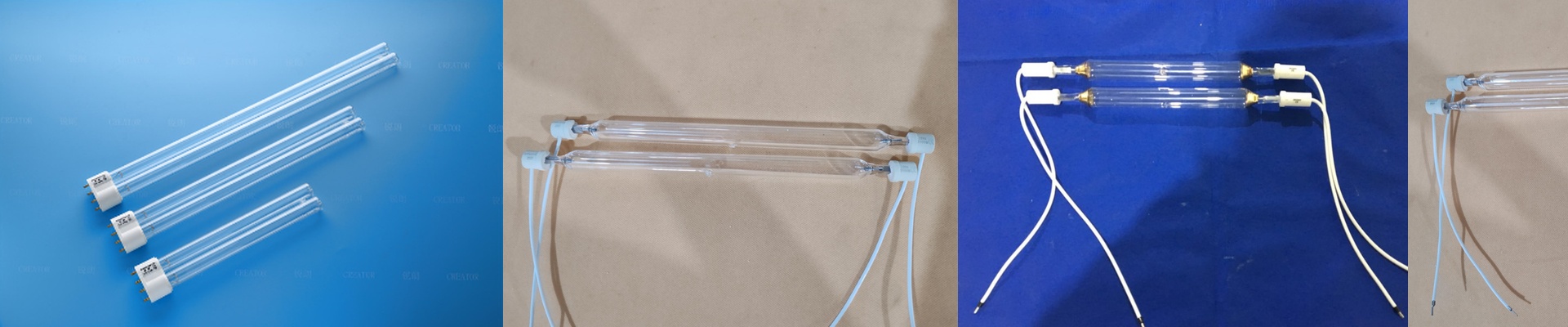
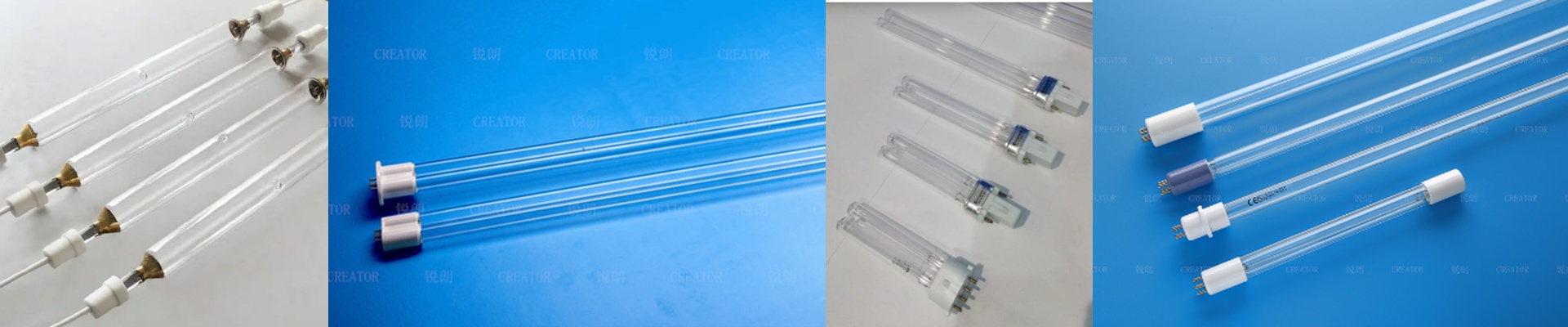
We don’t cut corners on the materials. We use synthetic fused quartz for the tubing. Why? Because cheap glass is like a wall; it blocks the very rays you’re paying for. Our quartz lets the UV light fly straight through. Then there are the electrodes. We went with tungsten. We’ve seen too many cheap lamps die early because the cathode coating just flakes off. It’s frustrating. Our process keeps the light steady for thousands of hours. If you’re plugging these into a massive HVAC system or water treatment plant, that stability is everything. No flickering, no random failures. Just a steady glow.
A few things to keep in mind
These are designed to be drop-in replacements for most industrial ballasts, which makes life easy. But here’s the catch: energy-saving tubes don’t always “talk” to old-school ballasts the same way. They have a different impedance profile. **Make sure your ballast is matched correctly.**If you push too much current into the lamp, you’re basically cooking it, and it’ll burn out way faster than it should. At the end of the day, we aren’t interested in the fluff. We just want a lamp that hits the required microwatts per square centimeter without making your electricity meter spin like crazy. You get the kill rate you need, and your power grid stays happy.