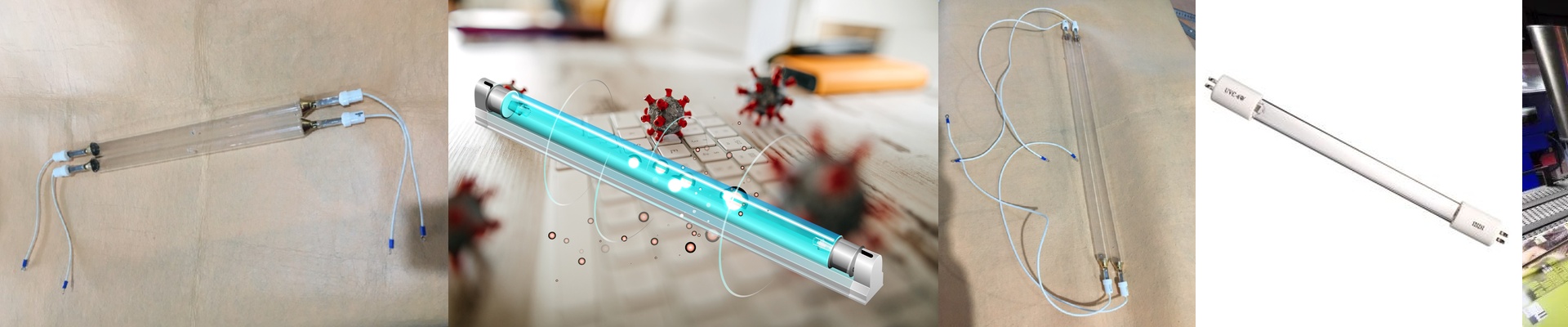
Stop Guessing with Industrial UV Systems
We’ve spent a lot of time on the shop floors of about 3,000 printing plants. We didn’t just look at the machines; we looked at where they break. Turns out, most “standard” lamps just aren’t built for the chaos of a real production line. The vibration, the heat, the constant humming—it kills cheap gear. To actually get this right, you have to find that sweet spot between raw UVC power, keeping your team safe, and making sure the hardware doesn’t die in three months.
Light, Leaks, and Safety
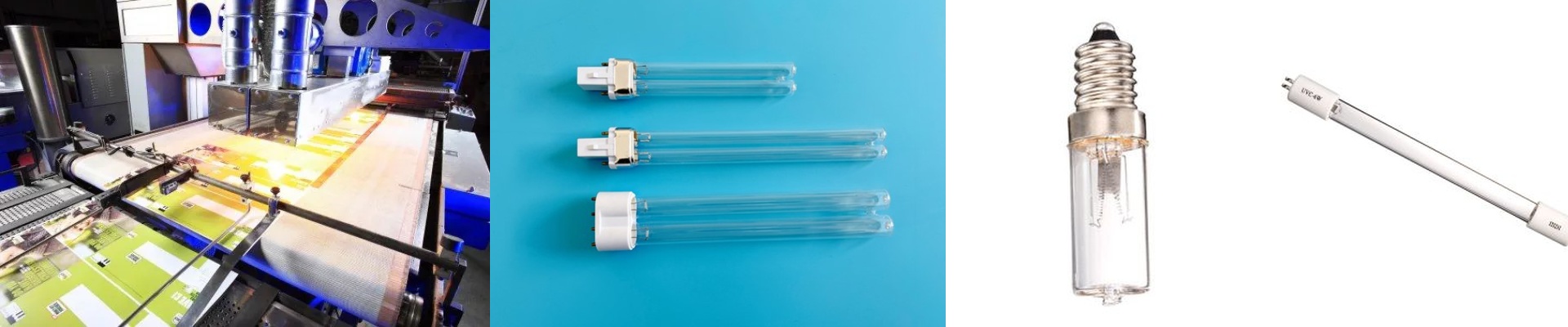
Most industrial germicidal lamps hit that 253.7nm wavelength. It’s great for shredding microbial DNA, but it’s brutal on human skin and eyes. A “caution” sticker isn’t a safety plan. It’s a band-aid. Real safety is built into the bones of the machine. We use high-purity aluminum reflectors to keep the photons bouncing where they belong, and we make sure the chassis is completely opaque. If you can see a gap in your housing, you’ve got a problem. Period.
The Gritty Side of Hardware
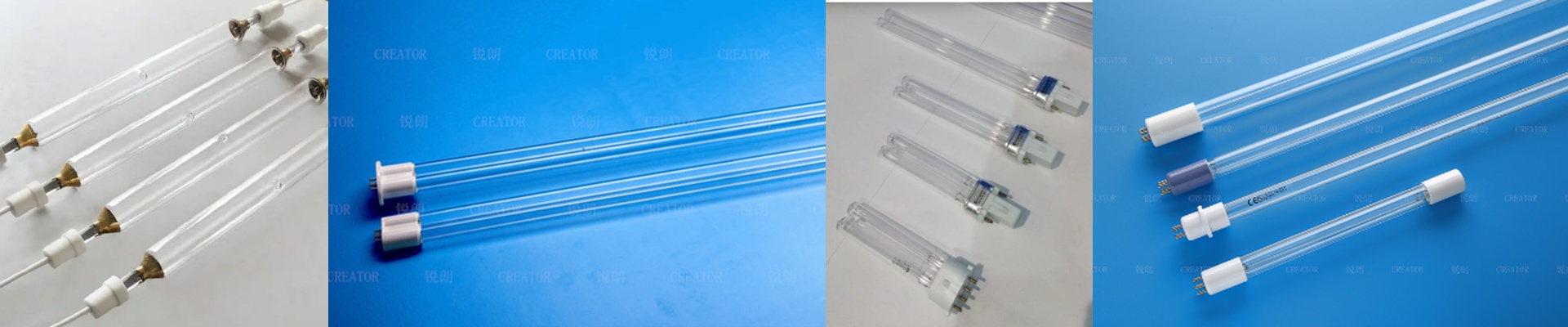
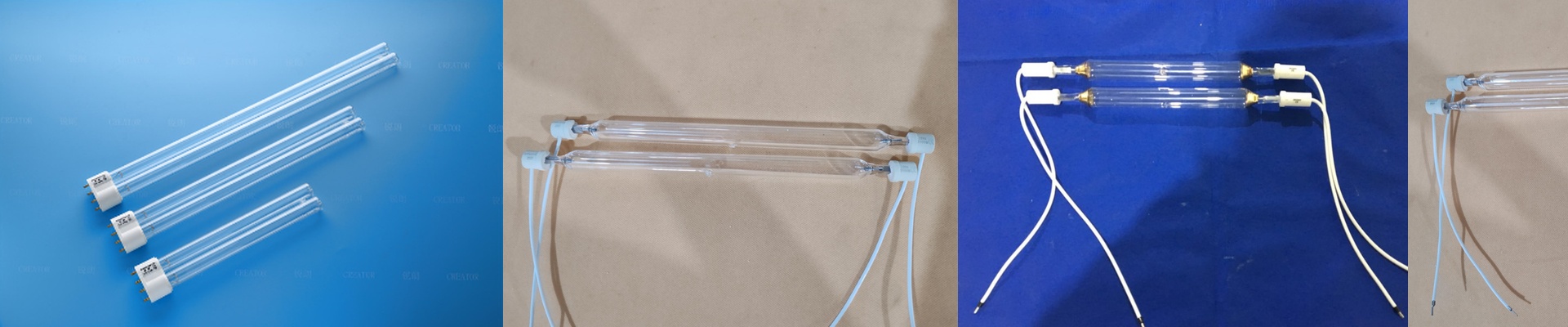
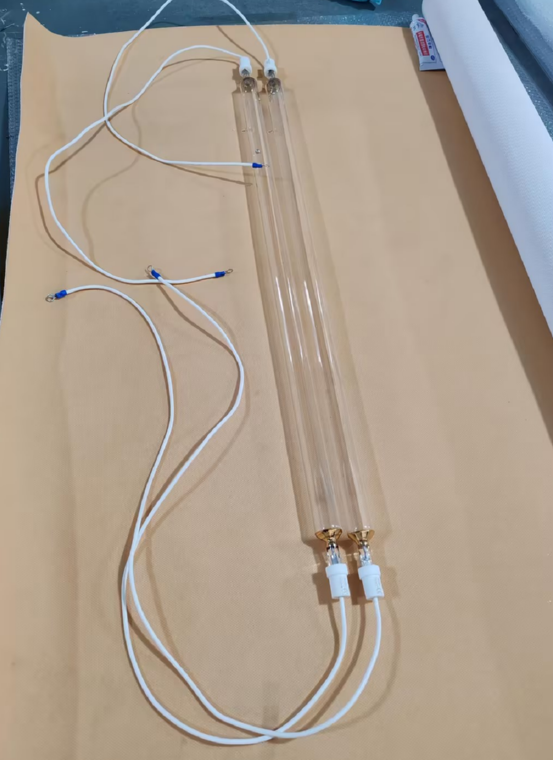
High-wattage UV tubes are thirsty. They pull a lot of current, and industrial power grids are notorious for voltage spikes that can fry a system in seconds. Cheap wiring is a liability. We stick with heat-resistant silicone cabling and locking connectors so nothing arcs over or melts. Then there’s the heat. These things run hot. If a cooling fan dies or some dust blocks the airflow, the tube temperature spikes. Once that happens, the mercury vapor pressure shifts and your UVC output just drops off a cliff. That’s why we wire a thermal cutoff switch directly into the power loop. It’s a simple fix that saves the whole system.
The Balancing Act
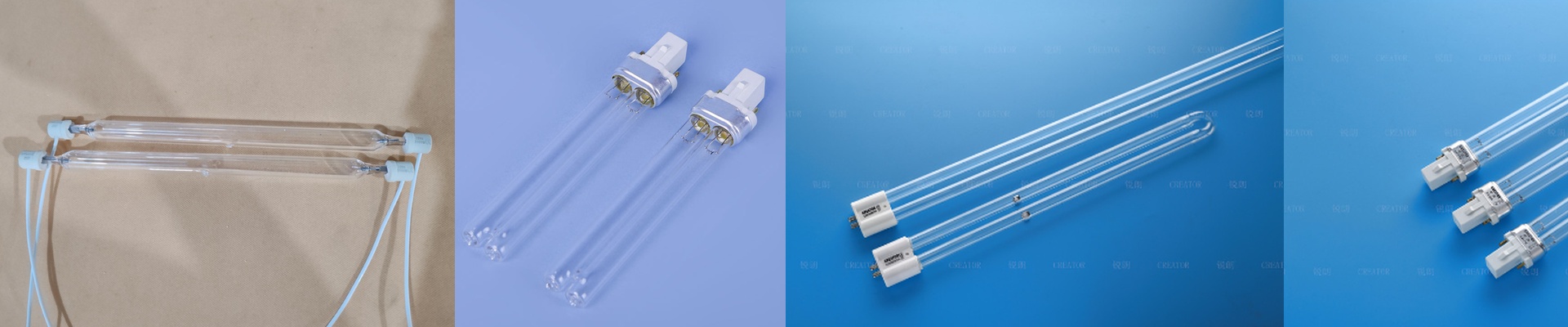
Here’s the thing: you can push a lamp to deliver massive intensity, but you’re essentially trading longevity for power. If you run a lamp at 110%, sure, you’ll kill germs faster. But you’ll be replacing that bulb in six months instead of a year. Nobody wants to handle hazardous manual replacements twice as often as they have to. We prefer a balanced power curve. It keeps the lamp stable and predictable. And for heaven’s sake, always use a failsafe interlock. The power needs to kill instantly the second a technician opens that access panel. No exceptions.