

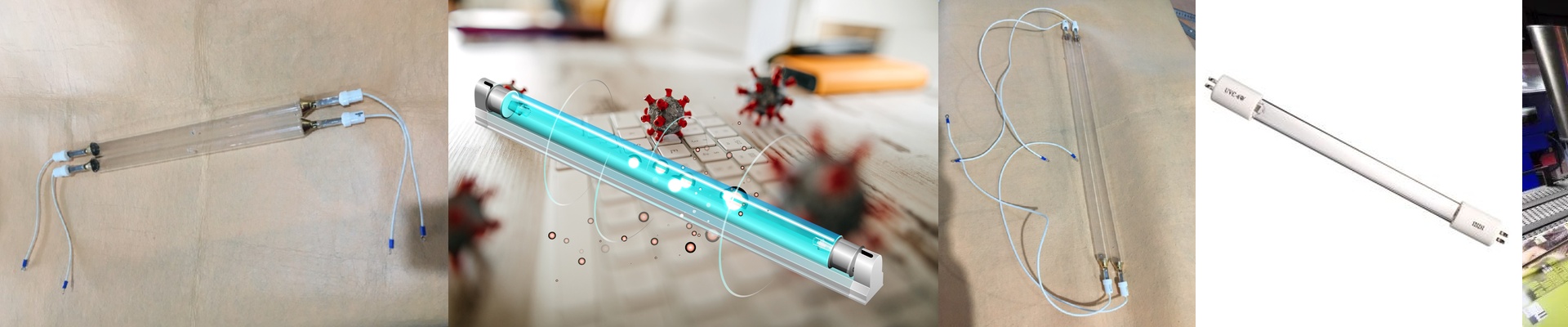
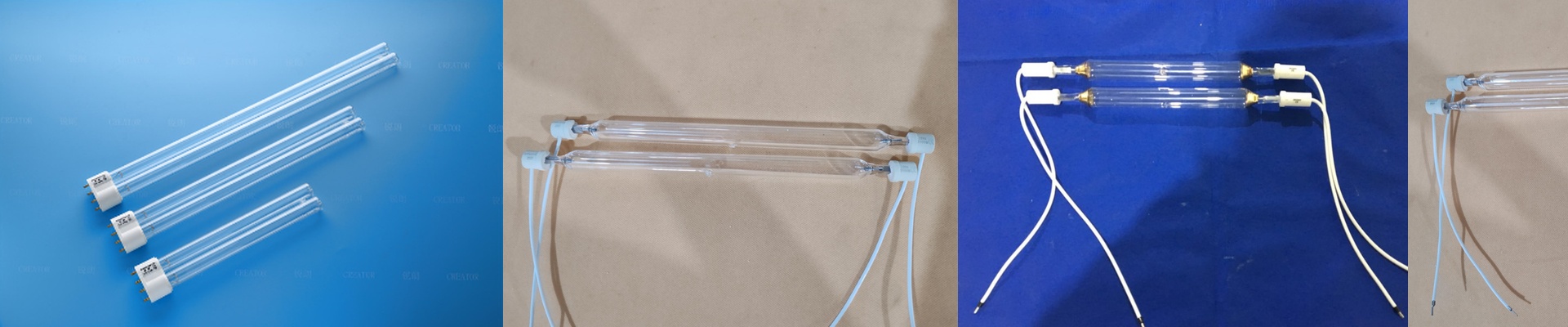
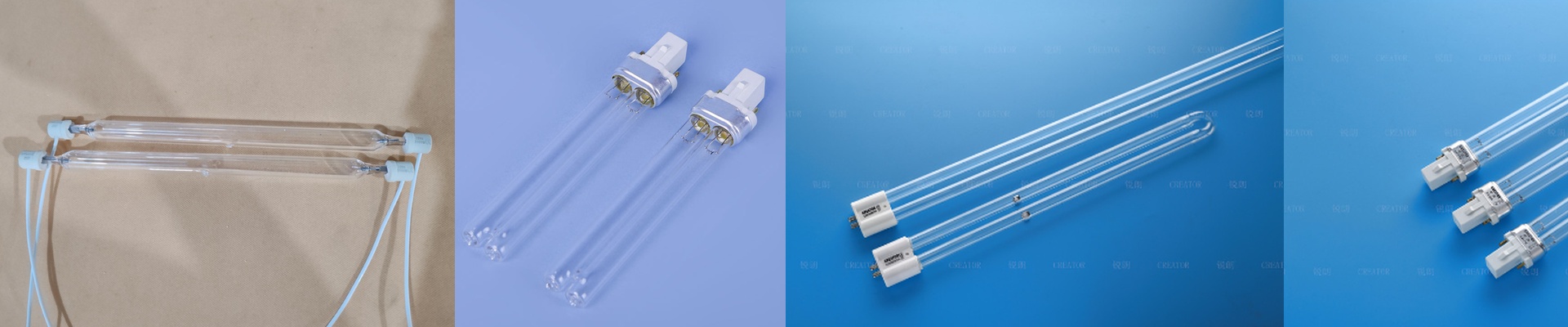
Moving UVC from the Lab to the Factory Floor: What You Actually Need to Know
UVC bulbs aren’t just for small sterilization boxes anymore. We’re seeing more and more of these systems getting baked right into automated factory lines. But here’s the thing: when you’re buying in bulk for a massive rollout, you aren’t just shopping for lamps. You’re trying to keep a steady stream of photons hitting a huge area without anything slipping through the cracks.
Let’s talk about the physics
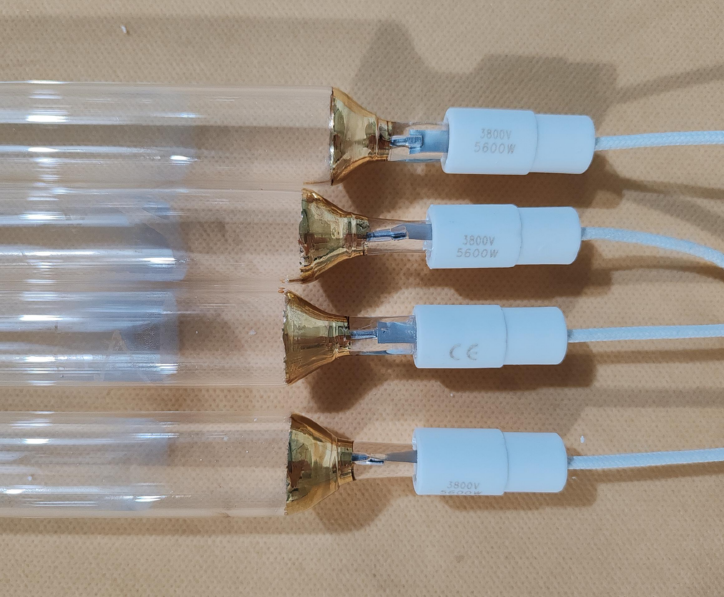
Most of these bulbs hit that 253.7 nm sweet spot. That’s the wavelength that actually messes with the DNA of germs. But if you’re running hundreds of these units, the glass matters. A lot. Cheap quartz sleeves act like a wall, blocking the rays before they even get out. That’s why we stick with high-transmittance fused silica. It ensures the energy actually hits the target instead of getting trapped in the tube. Then there’s the heat. High-wattage tubes kill germs faster, sure, but they run hot. If you go with a high-output array, you’ve got to have active ventilation. If the housing just sits there, the bulb temperature spikes and your UVC output tanks. It’s a simple cycle, but it’ll kill your efficiency if you forget it.
The nitty-gritty of the hardware
Wiring a huge installation? Go with electronic ballasts. Magnetic ones flicker, and they’ll eat through your bulbs way faster. And a quick tip if you’re swapping these into old rigs: double-check your pin configurations. If the base doesn’t match perfectly, you’re looking at arc-overs and burnt sockets. Not a fun way to spend a Tuesday. We design these to be drop-in replacements, which means the measurements have to be spot on. Trust me, a 2mm difference in bulb length can turn a rack installation into a total nightmare.
The trade-offs
When you scale up, “lamp aging” becomes a real headache. UVC bulbs lose their punch over time, and the worst part is you can’t tell just by looking at them. They still glow, but they aren’t cleaning. You need actual UVC sensors to tell you when it’s time to swap them out before your safety rates dip. It’s the price you pay for scaling. You get the power of a fully automated line, but your maintenance calendar gets a bit more crowded.