Let’s Talk About UV Bulbs: Making Them Last Without Killing the Planet
When most people buy germicidal UV bulbs in bulk for a big facility, they usually just look at the wattage and the UVC output. But here’s the thing: that’s only half the story. If you’re running a massive operation, you have to think about the whole lifecycle. Nobody wants a mountain of hazardous waste piling up in the warehouse. That’s why we’ve been rethinking the materials and the chemistry inside the glass. We want to stop the pollution before it even starts.
Better Glass, Fewer Headaches
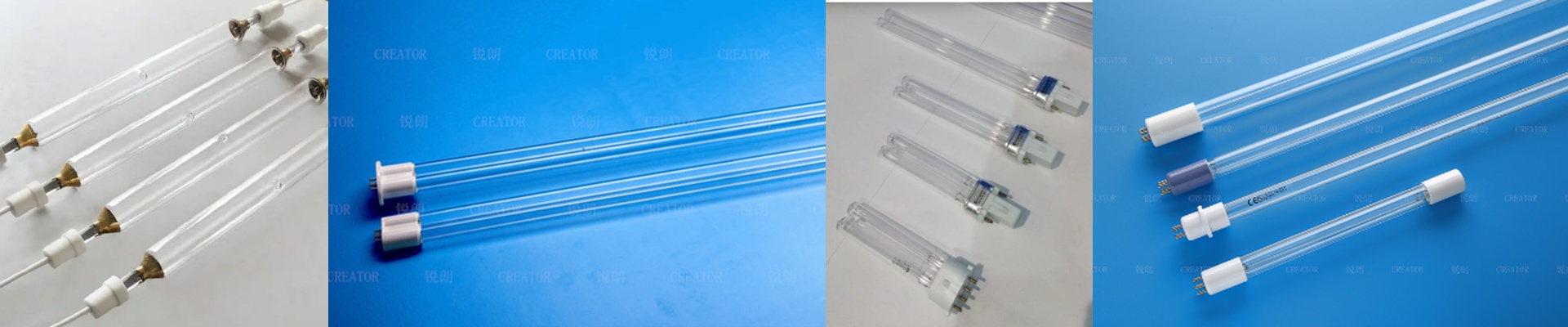
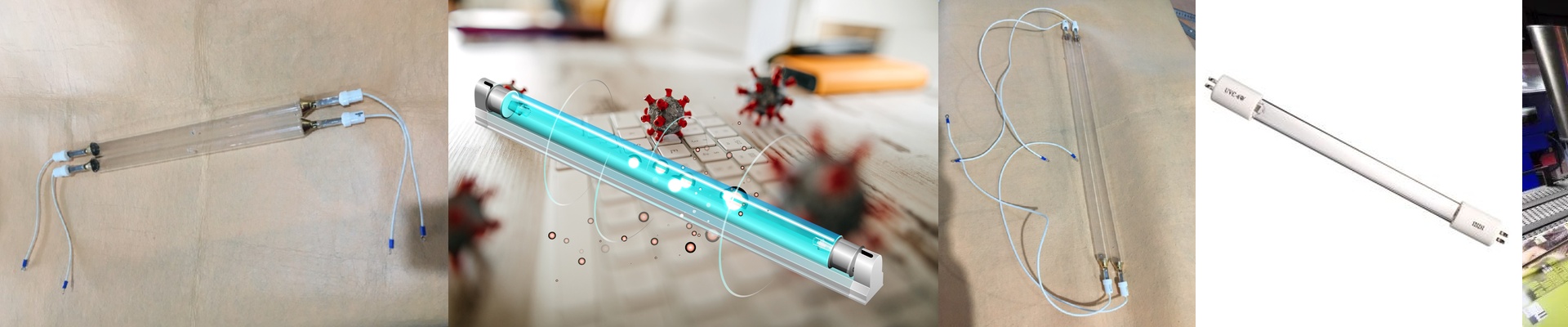
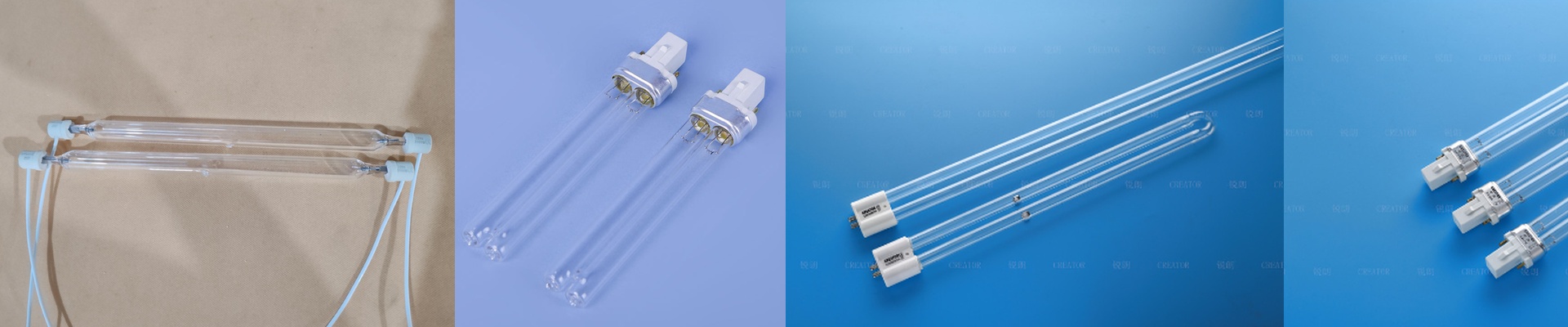
We use high-purity synthetic quartz for the tubes. Now, this isn’t just about making the glass clear. It’s about stopping “solarization”—that annoying process where the glass gets cloudy over time and kills your UV transmission. By tweaking how the glass is melted, we’ve managed to keep that window open longer. It means the bulb stays effective for way more hours before it finally gives up. And about the insides? We’re moving away from those old, mercury-heavy fills. We’re using eco-friendly alternatives or much tighter containment systems. It’s a huge relief knowing that if a bulb accidentally breaks on the shop floor, you aren’t dealing with a toxic nightmare. Plus, the light stays steady for thousands of hours, so you aren’t constantly shutting down your line to swap out dead lamps.
The Heat Struggle
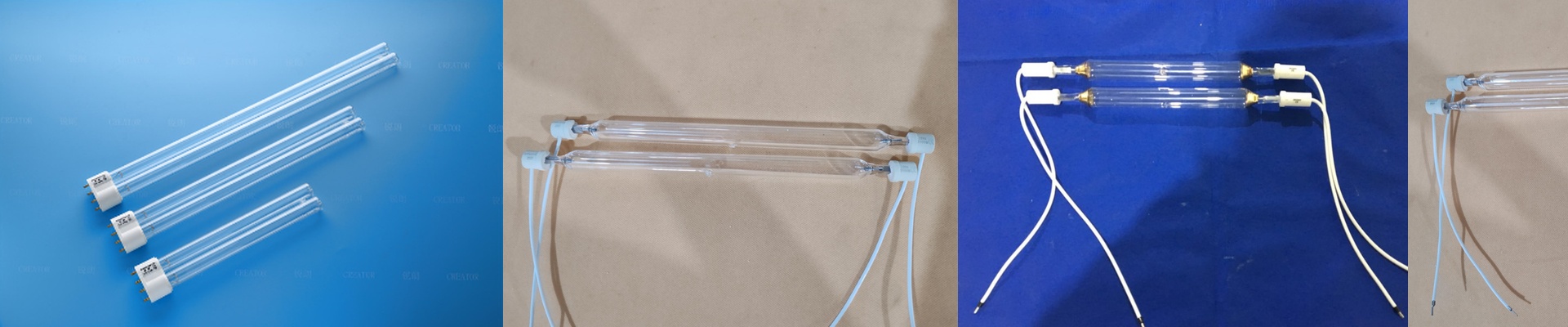
Here is the trade-off: more power means more heat. If you’re cramming these bulbs into tight spaces for water treatment or air scrubbing, you’ve got to be careful. We’ve redesigned the filament to pump out as much UV-C as possible while cutting down on the infrared waste (the heat). But let’s be real. If you’re running these at full blast in a sealed box, your cooling fans need to actually do their job. If the ends of the tube get too hot, the cathode dies early. Simple as that.
Getting Them Into Your System
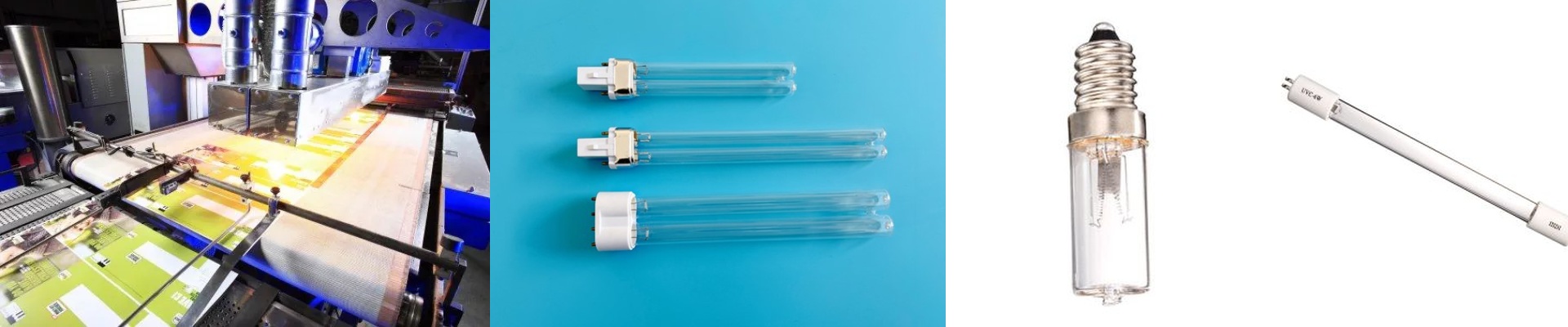
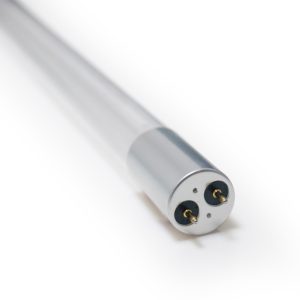
We made these as drop-in replacements. They work with most industrial ballasts, so whether you’re building a brand-new sterilization tunnel or just replacing old stock, the pins just fit. Choosing bulbs that actually last isn’t just about the environment. It’s about your sanity. Less glass waste, lower disposal costs, and way less time spent on tedious maintenance. It’s just a smarter way to run a plant.