Getting Your UV Cure Right for Printed Textiles
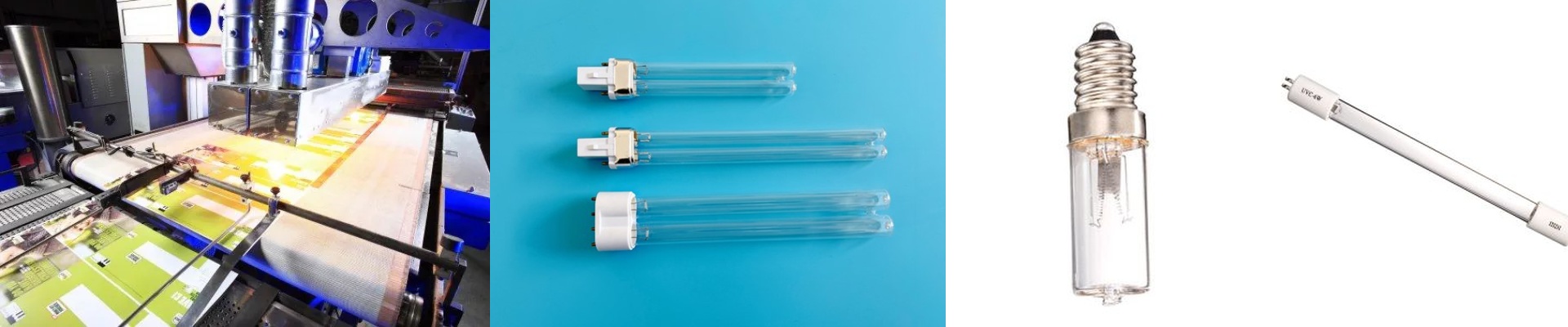
When you’re printing on fabric, your UV lamps are doing a lot more than just shining a light. They’re actually the spark that locks everything in place. We build these lamps to trigger a chemical reaction that turns liquid ink into a solid bond, so your prints don’t smudge or fade the moment they hit the real world.
The Nitty-Gritty: Power and Light
We don’t just guess the power; we look at exactly how much energy is hitting the fabric. If you’re working with thick ink on a porous material, you need those high-wattage quartz tubes to really punch through. But there’s a catch. You have to balance the voltage and current just right. If you try to shove too many amps through a short tube, you’ll fry the electrodes. Simple as that. We also tune the light—usually between 365nm and 395nm—to make sure it plays nice with the specific chemistry in your inks.
Keeping Things Cool (and Intact)
We use high-purity fused quartz for the bulb housing. Why? Because it lets the UV rays fly through without soaking up the energy. That keeps the glass from cracking when things get hot. These lamps are built to take a beating on a fast-moving production line. But here is the thing: you have to watch your heat. These lamps put out a ton of infrared heat along with the UV. If your conveyor is crawling or your fans aren’t pulling enough air, you’re going to scorch your fabric. We always suggest a forced-air cooling system. It’s the only way to keep the material from degrading.
Swapping Them Out
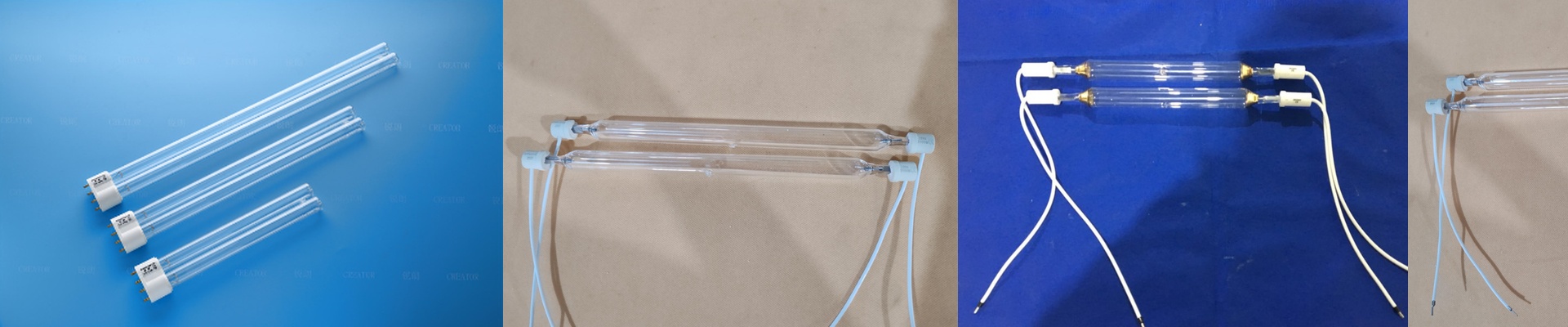
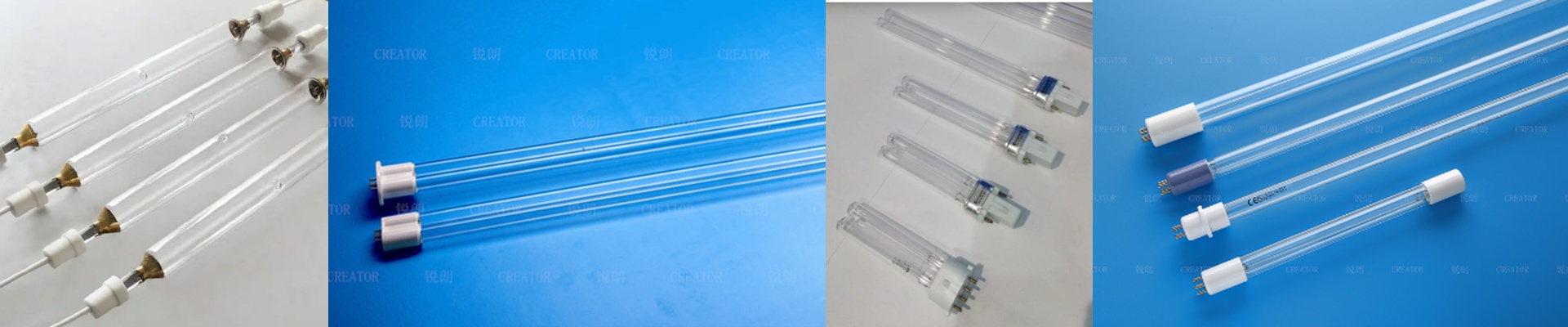
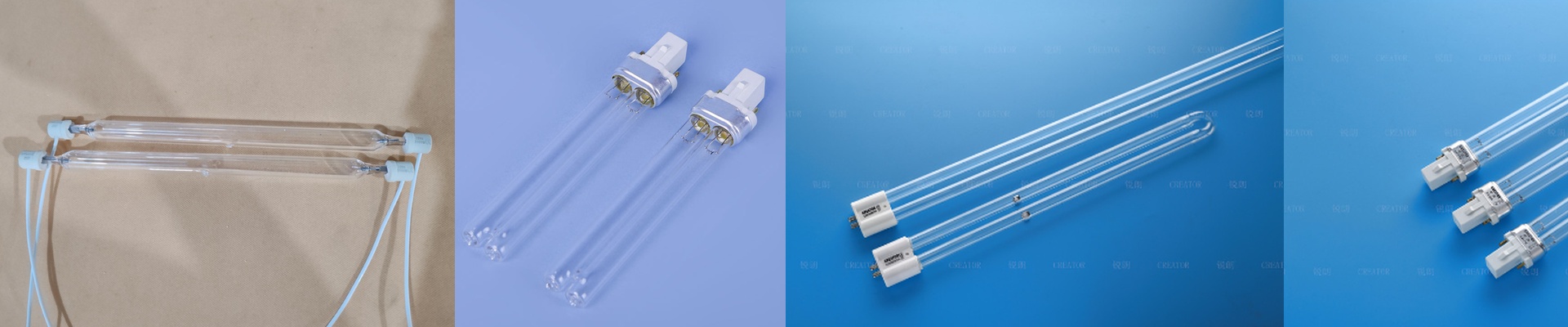
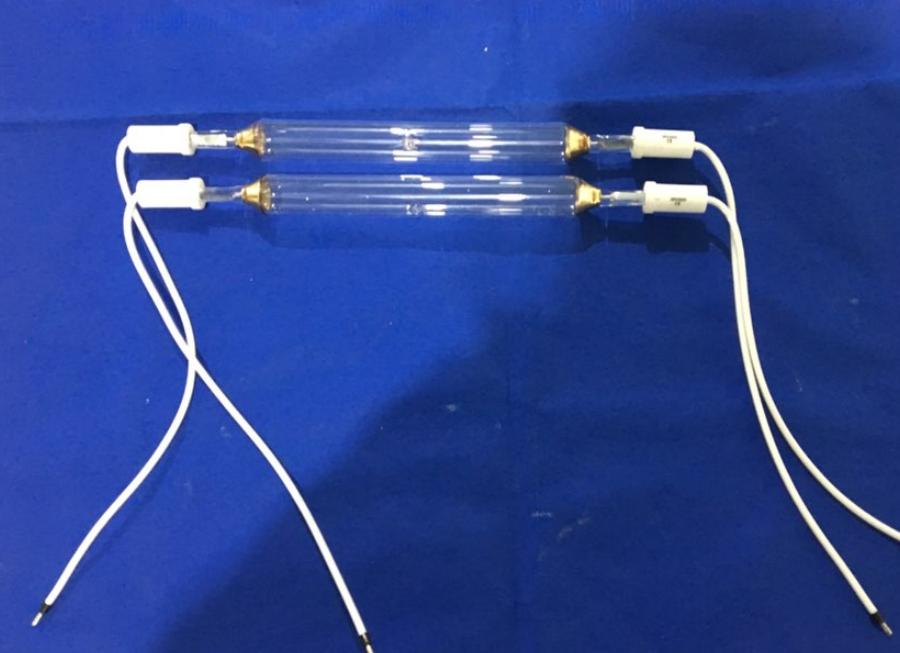
We designed these to be easy drop-in replacements for your existing rigs. Whether you’re using G10s or those specialized ceramic ends, the fit has to be snug. If there’s a gap, light leaks out. That kills your cure rate and forces you to slow down your entire line just to get the ink to set. We keep our length tolerances tight so you can just swap the tube and get back to work without having to move your whole machine around.